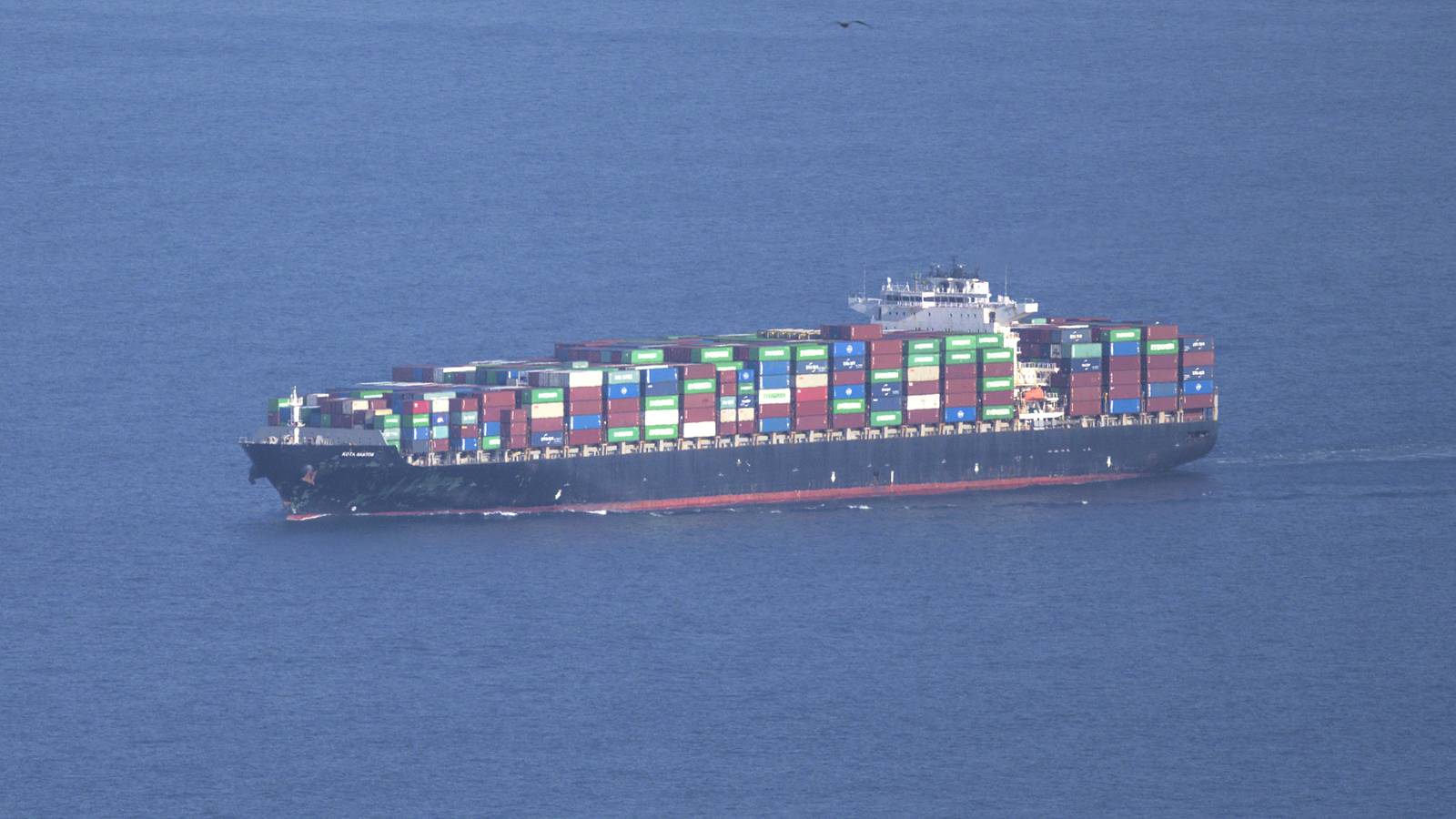

The free trade deal between Mercosur, the South American trade bloc, and the European Free Trade Association took effect on Thursday 1 October, starting with Brazil and Iceland. Brazil's trade ministry, MDIC, said tariff breaks between the two countries started that day. Brazil and Norway are next, on 1 November.
EFTA is the club of four wealthy European countries outside the European Union: Switzerland, Norway, Iceland and Liechtenstein. Together they're a market of about 15 million people with a combined economy of around US$1.4 trillion, MDIC says. Under the deal, EFTA drops import tariffs on every Brazilian industrial and fish product as soon as it applies.
How it got here
It took years. Talks wrapped up on 2 July 2025 after 14 rounds, and ministers signed the deal at the Itamaraty Palace in Rio de Janeiro on 16 September 2025, according to MDIC and the Recife business paper Movimento Econômico. Agência Brasil, citing the presidential palace, put it at ten rounds, with talks starting in 2017. The treaty's official title, as published in Switzerland's federal law database, names the Mercosur members in it as Argentina, Brazil, Paraguay and Uruguay.
Brazil's Congress approved it on 22 June 2026. On 8 July the government lodged its ratification with Norway, which is the treaty's official keeper. President Luiz Inácio Lula da Silva then signed Decree 13,126, which came out in an extra edition of the official gazette on Wednesday 23 September. That decree is what made the deal part of Brazilian law from 1 October, Agência Brasil reported. Agência Brasil said it was published that Friday, but the official copy gives 23 September.
The deal works country by country. It kicks in between any two members once both have finished their own approval process. Iceland was ready, so that pair went first. Norway starts on 1 November. For Switzerland and Liechtenstein, MDIC said the tariff breaks still depend on their own domestic steps, and Brazil hasn't set a date.
"The entry into force of the agreement is another step in the strategy of trade diversification and of Brazil's integration into the international economy," said Márcio Elias Rosa, Brazil's minister for development, industry, trade and services, in the ministry's Portuguese-language statement (our translation).
What changes for exporters
On the EFTA side, the change for factory goods and seafood is instant. Every industrial and fishery product gets in tariff-free once the deal applies between the two countries. Farm goods are handled case by case, with a mix of tariff cuts, tariffs scrapped outright, quotas and special arrangements.
MDIC picked roasted coffee as an example. Right now it's taxed at 10% going into Iceland and 7% going into Switzerland and Liechtenstein. The deal brings immediate cuts for most of the tariff codes that cover it.
The farm list is long. Trade data firm DatamarNews reported that the deal covers beef, poultry, pork, corn, soybean meal, honey, roasted coffee, rice, bananas, melons, grapes and fruit juices, some of them under quotas. Switzerland and Liechtenstein set quotas just for Brazil on things like corn, beef, poultry, pork, honey and vegetable oils. Norway gave quotas for beef, poultry, corn, soybean meal and sugarcane molasses.
The deal goes well beyond tariffs. It also sets rules on services, investment, government purchasing, rules of origin, customs, intellectual property and sustainable development. Movimento Econômico reported that it covers technical barriers to trade, food safety and plant health, competition and a way to settle disputes as well. DatamarNews reported that the trade chapter aims to make customs more predictable, with more technology and risk checks at the border. Switzerland and Liechtenstein will protect 63 Brazilian geographical indications, regional product names that work a bit like Champagne or Parmigiano Reggiano. The list covers coffees, wines, cheeses, cachaça, crafts, gemstones, footwear and textiles.
"Our goal now is to make the agreement's rules easier to understand and use, so that the productive sector can identify where the opportunities are and prepare to take advantage of them," said Tatiana Prazeres, MDIC's foreign trade secretary, in the same statement (our translation). In early September MDIC put guides on the tariff phase-down, rules of origin and geographical indications on Siscomex, Brazil's trade portal. The ministry has also launched an online dashboard where businesses can look up current tariffs and the new treatment, product by product and state by state.
How much trade is at stake
The numbers are modest by world standards, but not small. Movimento Econômico reported that, by EFTA's official figures, its four members bought €2.857 billion of Brazilian goods in 2024 and sold €4.265 billion to Brazil. Most of that goes through two countries. MDIC says Switzerland and Norway take 94% of Brazil's exports to the bloc and supply 99% of its imports from it.
DatamarNews reported that, by Brazilian government estimates, nearly 99% of the value of Brazil's exports to EFTA will get in duty-free once the deal is fully in place. It also reported an official government model estimating the deal could add R$2.69 billion to Brazil's economy by 2044. That's a forecast, not a result, and it'll be years before anyone can measure the real effect.
Trade was already growing before the deal. DatamarNews reported that two-way trade between Brazil and the four EFTA countries hit US$7.8 billion in 2025, with Brazilian exports to the bloc up 22.9% to US$3.8 billion.
On the Brazilian side, the early winners will probably be in the states that already sell the most to EFTA. MDIC says Pará and Minas Gerais lead Brazil's exports to the bloc, while São Paulo leads imports.
Why it matters
Trade deals often stall between signing and doing. This one, in talks since 2017, is now actually running for one pair of countries, with a second pair a month away. That's the step that turns a signed text into lower prices at the border and new orders for exporters.
It's also a calmer trade story than most of the past few weeks. A lot of the world's trade news has been about tariffs, and in the Gulf, Trump rejected Iran's Strait of Hormuz roadmap last weekend. Here, two blocs agreed to lower barriers, and now they're doing it.
The next date to watch is 1 November, when Norway comes in. Switzerland, which together with Norway makes up almost all of Brazil's trade with the bloc, still has no start date.

The paper
Comments
No notes on this story yet.
Sign in to comment