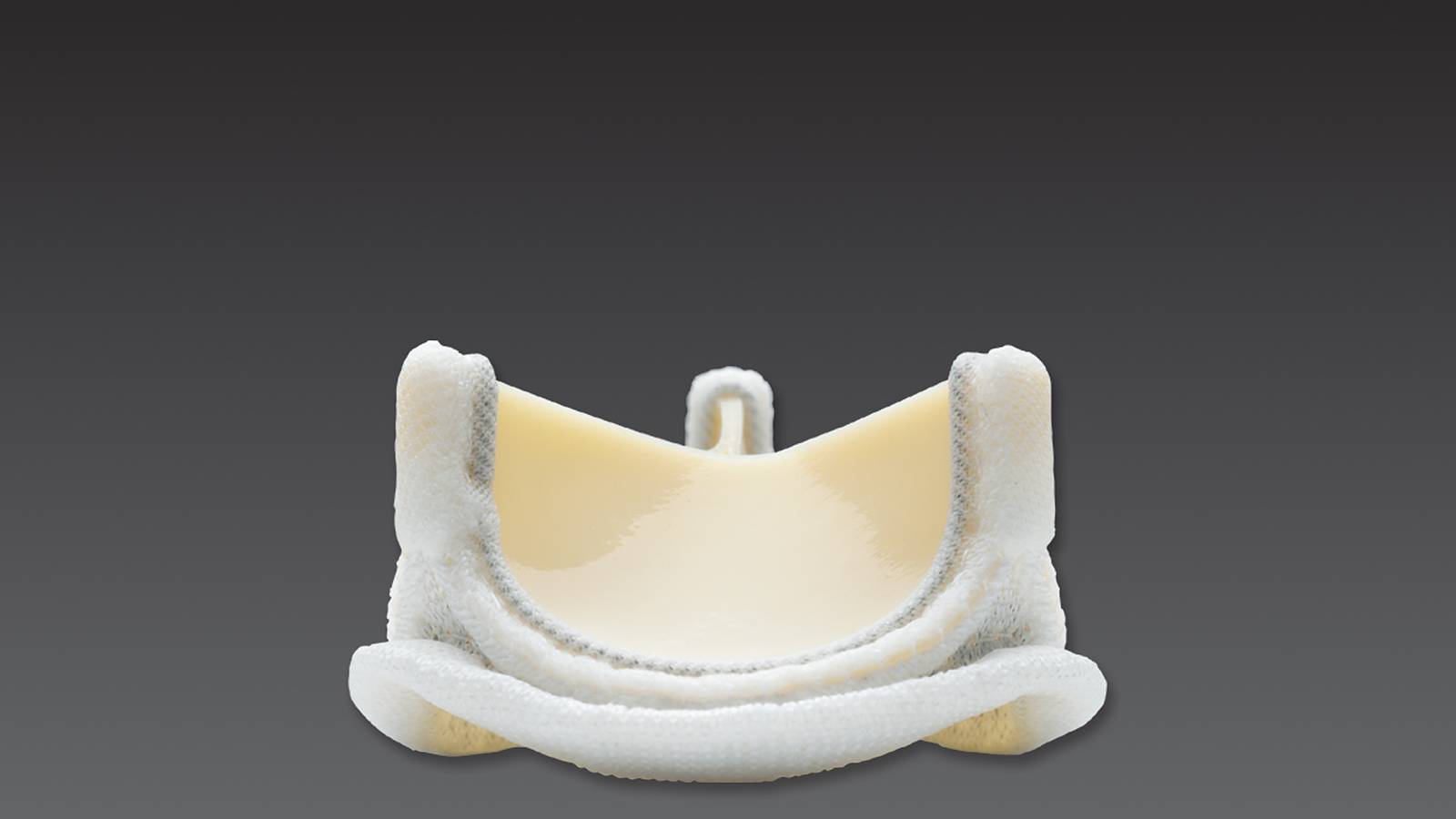

The Autus Size-Adjustable Valve is the first heart valve built to be made bigger after surgery, so it can keep up with a growing child, and the US Food and Drug Administration has now approved it. Edwards Lifesciences, which holds the approval, announced it on Thursday 1 October. The FDA put out its own release the same day.
It replaces the pulmonary valve in kids born with heart defects. Right now those kids often need open-heart surgery over and over as they outgrow fixed-size valves. The Autus goes in at about 13 millimetres across. Later, doctors can widen it with a balloon catheter, up to 22 millimetres, which is roughly adult size.
The problem it's meant to solve
The pulmonary valve sits between the heart's right ventricle and the artery that carries blood to the lungs. Some children are born with a valve that's too narrow, or one that leaks, or both. Others end up with a leaky valve after early repairs for other heart problems. Over time that leak can weaken or stretch the right ventricle, and the valve has to be replaced.
For a small child, that's where the trouble starts. A replacement valve doesn't grow. So surgeons are stuck with a hard choice, and the FDA's top device official spelled it out.
"For children born with congenital heart disease, valve replacement timing has always been a difficult decision," said Michelle Tarver, director of the FDA's Center for Devices and Radiological Health, in the agency's announcement. The trade-off, she said, is this: "wait too long and you risk harm to the child, but intervene too early and they may need multiple open-heart surgeries as they grow." She added, "The Autus size-adjustable valve gives doctors the option of far fewer trips to the operating room, which may result in better quality of life for these children and their families." Her full comments were also reported by Medical Device Network.
Congenital heart defects are among the most common birth defects in the US. Medical Device Network reported that they affect about one in every 100 babies.
What makes this valve different
The FDA says there are two firsts here. One is the size adjustment. The Autus goes in during normal open-heart surgery, but every later expansion is done through a catheter. That's a thin tube threaded through a blood vessel, so nobody has to open the chest again. A balloon on the end of it stretches the valve to a bigger size.
The other first is what the valve's flaps are made of. Most tissue valves use leaflets made from animal tissue, usually from cows or pigs. The Autus uses a polymer instead. The FDA said it's the first valve approved in the US with polymer leaflets, and the first time the agency has approved that material for any valve. That matters for kids in particular. Animal-tissue leaflets tend to stiffen and wear out faster in young patients, and that can bring the next operation forward.
Autus Valve Technologies developed the valve, and it's now an Edwards product. It went through premarket approval, which is the FDA's toughest review route for high-risk devices, and it had already been given Breakthrough Device designation. Contemporary Pediatrics reported that the FDA called it the first children's device approved through its Total Product Life Cycle Advisory Program. That program gives developers earlier, closer contact with the people reviewing their device.
What the trial showed
The approval rests on a single pivotal study with no comparison group. It took in 62 children at 12 US hospitals and is registered as NCT05006404. Patients were aged 18 months to 16 years, at centres including Boston Children's Hospital, Children's Hospital of Philadelphia, Children's Hospital Los Angeles and Columbia University Irving Medical Center in New York.
Contemporary Pediatrics reported that every child had a successful implant, according to the FDA. Edwards said the study met its main safety and effectiveness goals. No patient had a device-related complication through 30 days, and none needed a repeat procedure on the valve through six months. Among those who've reached the one-year mark, Edwards said all had good blood flow through the valve, less than moderate leakage, and no further procedures.
The FDA's own headline measure was how well blood moved through the valve at six months. Contemporary Pediatrics reported that for the first 60 children to reach that check, the valve performed acceptably. The agency defined that as blood flow on the right side of the heart within acceptable limits, with no more than mild leakage back through the valve. The FDA's announcement didn't give effect sizes or confidence intervals.
The FDA's summary also listed the problems, and they're worth knowing about. There were no deaths, no strokes and no blood clots that needed treatment. Three patients had a crack in the valve's frame, and two had one leaflet that didn't move as freely as it should. None of those five had symptoms. In two children, the valve started to work less well as they began to outgrow it. Both had it widened by catheter, with no surgery, and it worked.
That's exactly what the device is meant to do, but the FDA was careful about it. The agency called experience with expansion limited. It said longer studies are under way to see whether widening the valve keeps it working, and whether it really cuts the number of operations kids need. Edwards said children in the trial will be followed for 10 years.
What doctors are saying
Dr Emile Bacha, surgeon-in-chief at NewYork-Presbyterian/Columbia University Irving Medical Center, was one of the trial's investigators. "Children with congenital pulmonary valve disease have long needed prosthetic valves that can account for growth over time," he said in Edwards' release. "The AUTUS valve gives congenital heart teams a new way to think about long-term care planning for pediatric patients who may otherwise face multiple surgeries." Edwards noted that it has paid for Bacha's travel and lodging for educational events.
Edwards chief executive Bernard Zovighian called the valve "a meaningful advancement for children who have historically had limited treatment options."
It's the kind of slow, careful engineering win that rarely makes the front page, a bit like KIER's certified tandem solar cell record last month. The payoff takes years to show, and here it's counted in operations a child might never need.
For now the approval only covers the US. Neither Edwards nor the FDA said when the valve will reach hospitals, what it'll cost, or whether Edwards will seek approval in Australia or anywhere else. The Therapeutic Goods Administration would have to clear it before Australian surgeons could use it outside a trial.




The paper
Comments
No notes on this story yet.
Sign in to comment