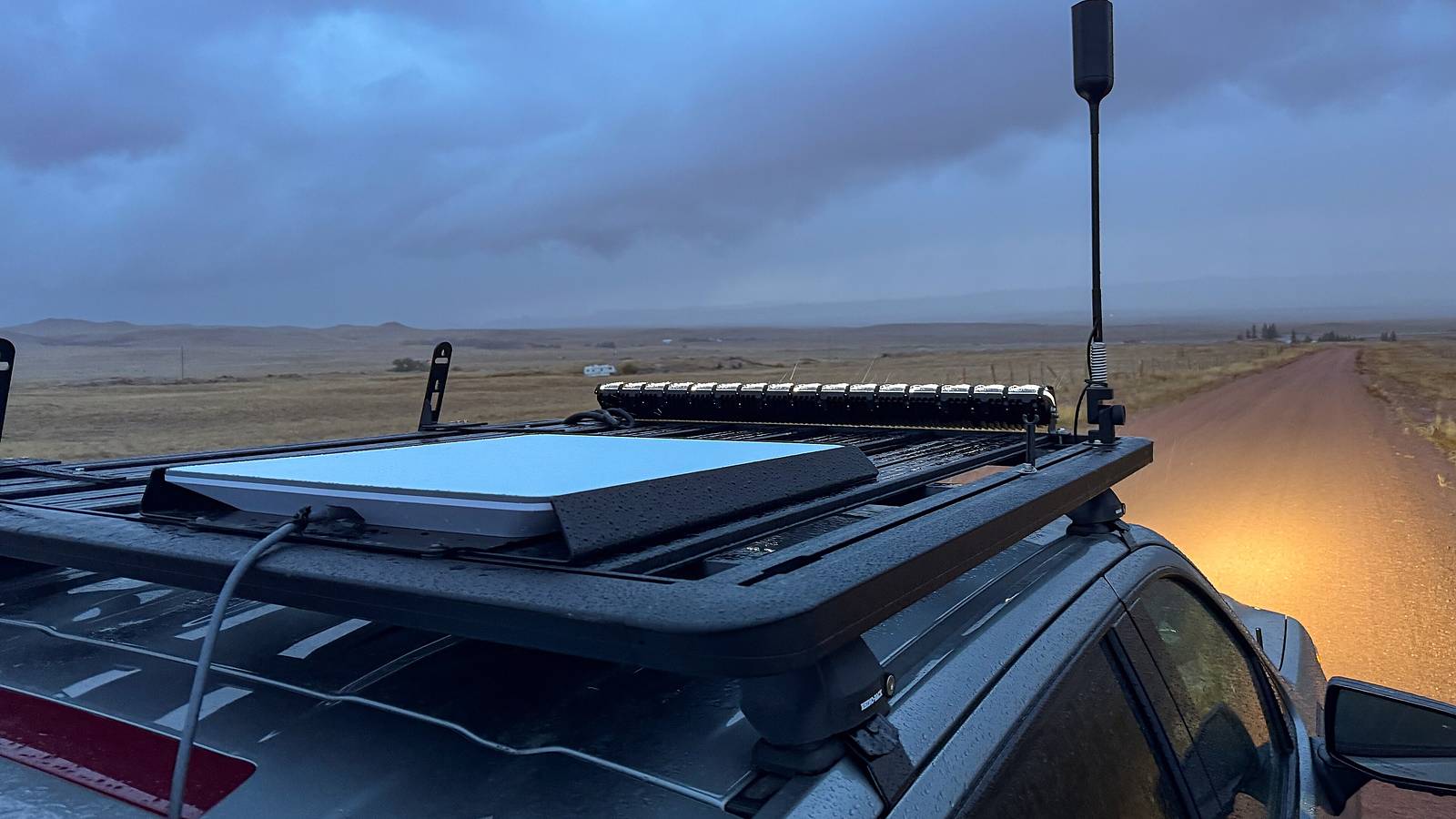

Starlink wants to let neighbours share a single satellite dish and pay only for the time they use. A new "Starlink for communities" page on the company's website, reported by PCMag on 2 October, is recruiting "hosts" who'd install one Starlink kit and sell hour, day, week and month passes to people nearby.
"One Starlink Kit delivers high-speed internet to multiple users nearby. Neighbors pay for flexible hour, day, week, or month passes," the page says, according to PCMag. It goes on: "and you earn from every connection." A beta interest form is open. No prices have been announced yet, and SpaceX hasn't said where the program will start.
How the passes work
The page lists four kinds of pass, Telecompetitor reported. An hour pass, a day pass and a week pass each cover one device. A month pass covers up to four devices, which suits a household more than a single phone or laptop.
The jobs are split simply. Telecompetitor reported that Starlink says it'll handle payments, user access and the connection itself, while the host sets up the site and earns money from each connection. Hosts can stretch coverage by adding more Starlink routers or more kits.
The page is careful about speed. Telecompetitor noted that it calls the speeds it mentions maximums, not guaranteed, and says they'll drop when the network's busy. That's worth remembering if you're picturing one dish serving a whole street at full pace.
Who it's for
The obvious fit is a place where a full Starlink subscription is out of reach for most households, or where people only need internet now and then. A family that wants to video-call relatives once a week, a seasonal worker, or a visitor passing through could buy just the time they need, instead of a kit and a monthly plan.
PCMag pointed to the nonprofit unconnected.org, which had earlier told the outlet that some underserved communities already sell short-term internet passes, including on Starlink, as part of what it calls a "sachet economy". It's the same idea as selling shampoo in single-use sachets: small, cheap amounts people can afford on the day. If SpaceX makes it official, hosts would get a proper way to do what some are already doing informally.
PCMag also said the result "could make Starlink even more affordable, especially for low-income markets." That depends on the price, and the price is the big unknown.
What we don't know yet
Quite a lot. PCMag said SpaceX didn't respond to a request for comment. So there's no word on where the program will launch, whether it's limited to certain countries, or how much hosts will keep from each pass.
The interest form gives a few clues. PCMag reported that it's taking applications from dozens of countries, including the United States, Mexico and Canada, where Starlink already sells service. It asks applicants how many Starlink Community sites they'd want to set up, and "What price do you think users would be willing to pay for that pass?" Put simply, SpaceX seems to be testing demand and pricing before it commits.
The idea isn't brand new. PCMag said a Starlink Community option showed up last year on a support page for authorised resellers and enterprise customers. Back then SpaceX only talked about monthly passes, and it isn't clear whether that version ever launched. The new page adds the shorter passes and the host model.
Why it fits Starlink's growth
Starlink is already big. The Gold Standard reported that it ended June with 12 million subscribers, after adding 1.7 million in the second quarter. PCMag noted consumer revenue of US$2.4 billion for the quarter, up from US$1.7 billion a year earlier.
The Community model is a way to reach people who wouldn't sign up on their own. One kit can earn from many users, and the host does the local legwork. Telecompetitor pointed out it would also put a pay-as-you-go Starlink option in the hands of local hosts, adding competition in rural markets.
It's also one of several ways SpaceX is pushing Starlink further. This week its satellite-to-phone service, Starlink Mobile, went live in Kazakhstan and Ecuador, on a network The Gold Standard reported spans about 650 satellites. And on 28 September, Starship put the first 26 of SpaceX's bigger Starlink V3 satellites into orbit, each one rated to add far more capacity than the older ones. More capacity in orbit is what makes sharing one dish among several users more practical.
There's a longer plan behind that capacity too. Telecompetitor noted that in August SpaceX filed details of its Starlink satellite and mobile expansion plans with Canadian regulators, including thousands of extra satellites meant to give continuous global coverage by the end of 2028. A shared-access product only works if the network has room for the extra users, and SpaceX is clearly building for more of them.
Elsewhere for Starlink this week
In Malaysia, a SpaceX delegation met Prime Minister Anwar Ibrahim in Putrajaya on 30 September and donated 50 Starlink kits for disaster preparedness and emergency response, The Star reported. Anwar also welcomed Starlink's new point-of-presence network site in Cyberjaya, which he said would help local data traffic and improve service quality.
"We want to ensure that rural communities also enjoy quality and secure internet access so that they are not left behind in the nation's progress," Anwar said, The Vibes reported. He credited Starlink with helping connect rural Sabah and Sarawak and Orang Asli settlements under the government's national digital network plan.
TeslaNorth's report on 1 October described the program as a way for one kit to serve several nearby users, with each pass covering a set period. It listed three things to watch: when Starlink Community becomes available in specific areas, what the passes will cost once pricing is announced, and how much of each pass hosts will actually keep. They're the right questions, and none of them has an answer yet.
For now, the Community program is a sign-up page and a form. Anyone interested can register to hear when it reaches their area. The prices, when they come, will decide whether it's a small side income for a few hosts or a real new way for people to get online.




The paper
Comments
No notes on this story yet.
Sign in to comment