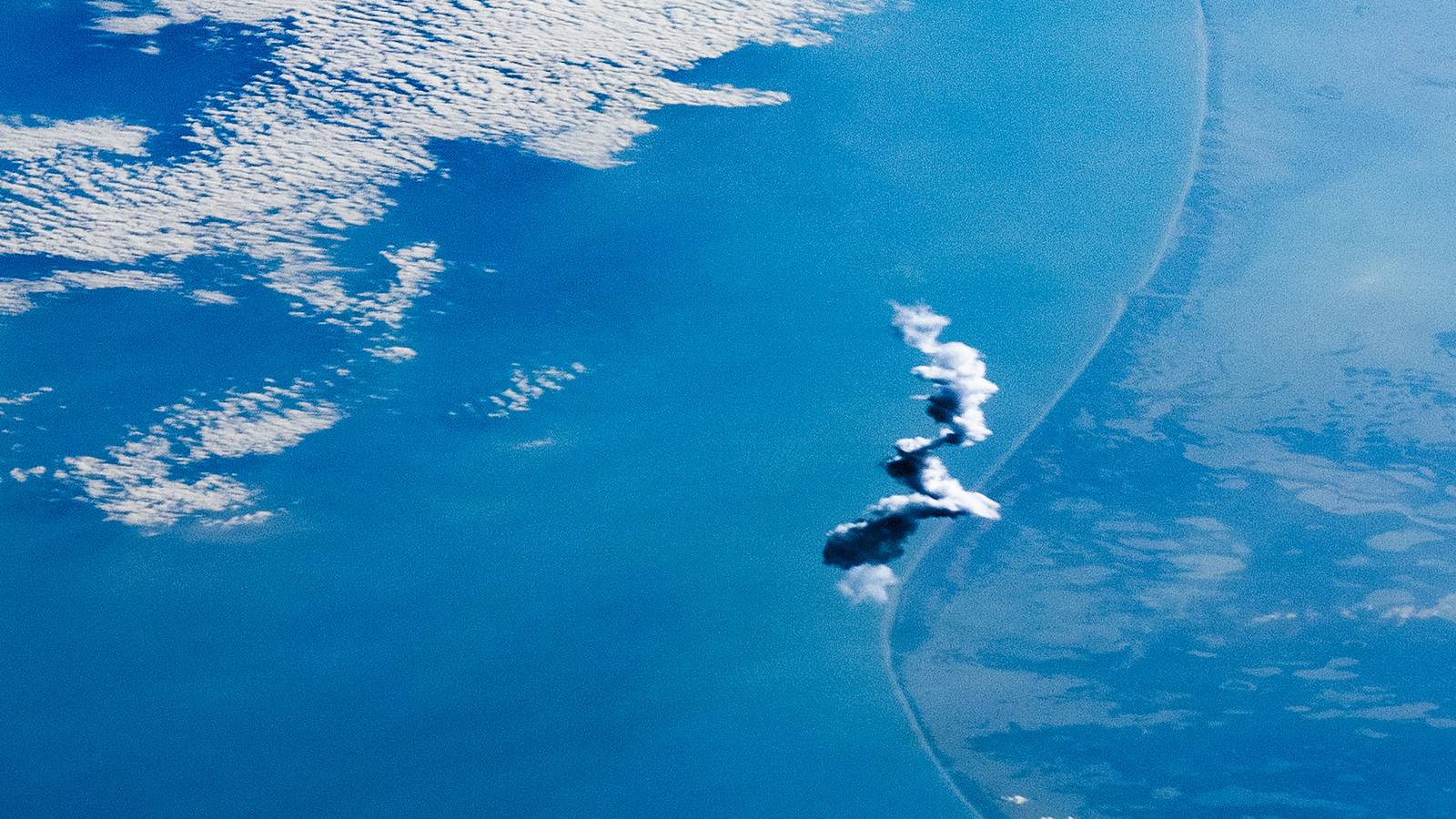

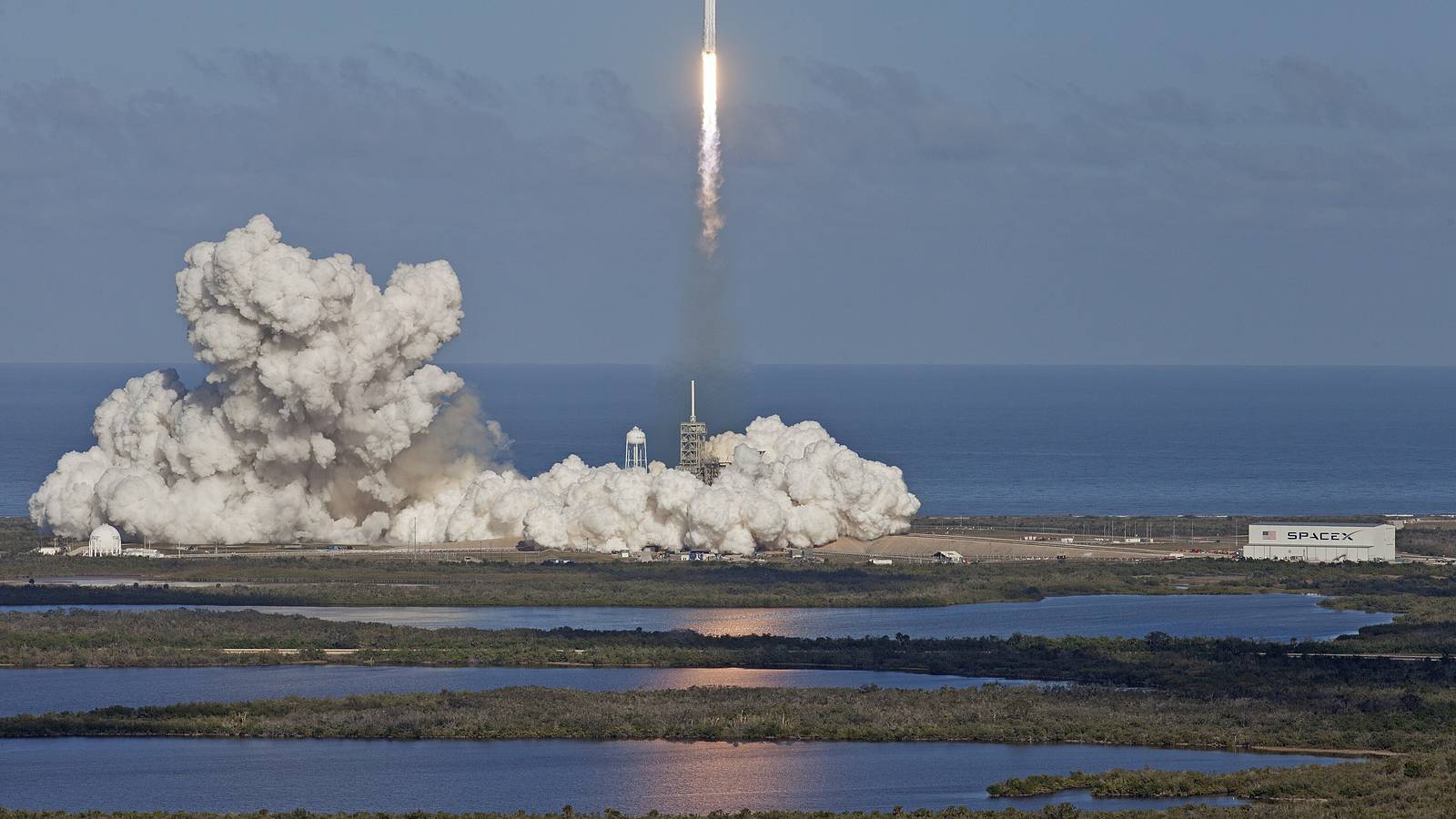
SpaceX's Starship has made it to orbit. On its 14th flight, which lifted off from Starbase, Texas, at 7:48am Central time on Monday 28 September (10:18pm Monday in Adelaide), the upper stage fired one engine to go fully orbital for the first time. Then it let go of 26 Starlink V3 satellites. It's the first time the rocket has put working satellites into orbit.
SpaceX says it made contact with every one of the 26 soon after they left the ship. Starship then did its first deorbit burn and splashed down on target in the Pacific, north of Hawaii, about three hours and eight minutes after launch.
The burn that made it orbital
All 13 earlier Starship flights were flown on purpose to a suborbital path. That's a trajectory that falls back into the atmosphere on its own if anything goes wrong. Flight 14 started out the same way. In its mission recap, SpaceX says one of the ship's Raptor vacuum engines shut down early on the climb, so the other five burned longer to make up for it. The ship still reached its planned, passively safe suborbital path.
Then came the big decision. The flight control team checked the three sea-level Raptors the ship would need for later burns, found them healthy, and gave a "go" for orbital operations. A single sea-level engine relit and pushed Starship into orbit around Earth.
Ars Technica reported that the insertion burn lasted 19 seconds and added roughly 330 km/h, a little over 1% of the ship's speed, leaving it about 276 km up. Astronomer Jonathan McDowell, who tracks every launch, logs the orbit at 262 by 275 km in his Jonathan's Space Report.
SpaceX commentator Dan Huot said on the webcast: "We were only going to go if we were very confident in the core systems that have to work to get you out of orbit once you're up there." He added: "We took some extra time, added some extra drama, but we were able to clear the… three center engines and do our first-ever orbital insertion burn. So that was a huge success."
That caution matters. A ship stuck in orbit could come down somewhere nobody chose, so SpaceX only committed once it was sure the engines needed to bring Starship home were in good shape.
Twenty-six V3 satellites, all talking
After a short coast, the ship pushed all 26 Starlink V3 satellites out through its payload door, one at a time. SpaceX says it reached every one of them "over laser links, ground stations, and Starlink user terminals". They'll now run on-orbit checkouts and raise their orbits before they start serving customers.
These are the satellites The Gold Standard has written about as sized for Starship's bay. They're too big for a Falcon 9 fairing. Ars puts each one at about two tonnes at launch, and says SpaceX rates each as adding 1 terabit per second of capacity to the network. That's around ten times what the older Falcon 9-launched satellites add. Future Starships could carry up to 60 of them at a time, according to the same report.
Starlink V3s did fly on the previous Starship flight in July. But that flight was suborbital, and those satellites fell back and burned up. This batch is in orbit to stay. Space.com reported that three of the 26 carried cameras to look back at the ship, and SpaceX has released a bird's-eye view of Starship in orbit taken by one of them.
Caleb Henry, director of research at Quilty Space, was more measured on Spaceflight Now's broadcast: "It's great that they have the capacity onboard in orbit, but until there is a meaningful number of V3 satellites launched, they won't be the spacecraft that defines the user experience just yet." Put simply, this is a first batch, not the switch-over.
A shorter flight, by choice
The original plan had Starship spending close to ten hours in space. It ended after about three. SpaceX wrote that "out of an abundance of caution given the engine issue experienced during ascent, the flight control team decided to limit the duration spent on orbit and proceeded with deorbiting Starship to a splashdown location in the northern Pacific Ocean." That area was one of two landing zones agreed before launch and cleared of ships and planes.
The deorbit burn was a first too. One sea-level Raptor relit and brought the ship out of orbit, through reentry and down toward the target. Near the water, all three sea-level engines relit for the landing burn and flip, and the ship splashed down on target. Spaceflight Now put splashdown at 11:57am Eastern, which was 1:27am Tuesday in Adelaide. As expected, the ship then tipped over and exploded. SpaceX hadn't planned to recover it.
The Super Heavy booster had a busy morning of its own. SpaceX says one of its 33 Raptor 3 engines shut down on the way up, and it relit 31 of the planned 33 for the boostback. That burn was set up on purpose to use the last of the liquid oxygen in the main tank, testing the booster's limits ahead of future flights back to the launch site. It then splashed down in the Gulf.
The Federal Aviation Administration won't require a mishap investigation. A spokesperson told Ars that "all flight events for both the Starship vehicle and the Super Heavy booster occurred within the scope of planned and FAA authorized activities."
What it means for the Moon and for Starlink
NASA is counting on a version of Starship as the lander for its Artemis Moon missions, and getting to orbit and back is a basic step on that road. NASA Administrator Jared Isaacman posted on X: "Congrats @SpaceX! Gorgeous launch, getting Ship to orbit and managing every step in a safe, responsible, and especially inspirational way."
There's plenty of work still ahead. A Moon landing needs a string of tanker flights and refuelling in orbit, and that hasn't been tried yet. Ars notes SpaceX has now had engine trouble on all three flights that used the newer Raptor 3, though it also says the Flight 14 issues probably won't delay the next launch.
For Starlink, the news is simpler. Starship can now deliver real satellites to a real orbit. As we reported in September, Pad 2 at Starbase held this hardware and Booster 21 rolled out for the flight. Florida's Starlink launches are already waiting on Starship.
What's next
SpaceX hasn't announced a date for Flight 15. NASASpaceflight has posted a provisional target of no earlier than 19 October from Starbase, and it called that date very provisional. Ars says an FAA air traffic schedule also pointed to an October flight. Dates like these often slip. Flight 15 is expected to use Booster 22 and Ship 42.
Ars reports that crews are also bringing a Starship pad at the Kennedy Space Center in Florida into service, aiming for a launch there before the end of the year. Bringing a ship back to Starbase to be caught by the tower's arms, something SpaceX has already done with boosters, is likely to be one of the next big tests. For now, Flight 14 did the one thing every earlier flight held back from. It went all the way around the world.

The paper
Comments
No notes on this story yet.
Sign in to comment