On Saturday, President Donald Trump rejected Iran’s seven-day roadmap to reopen the Strait of Hormuz. He said the deal on the table wasn’t acceptable. Tehran says it’s still waiting for an official answer through the mediators, and that it still wants diplomacy.
So there’s no deal. What there is, is a public no on Saturday, then a Sunday where both sides went on air to argue their case. The gap between them hasn’t moved. It comes down to one question: who goes first on the strait, the blockade, the sanctions and the nuclear file?
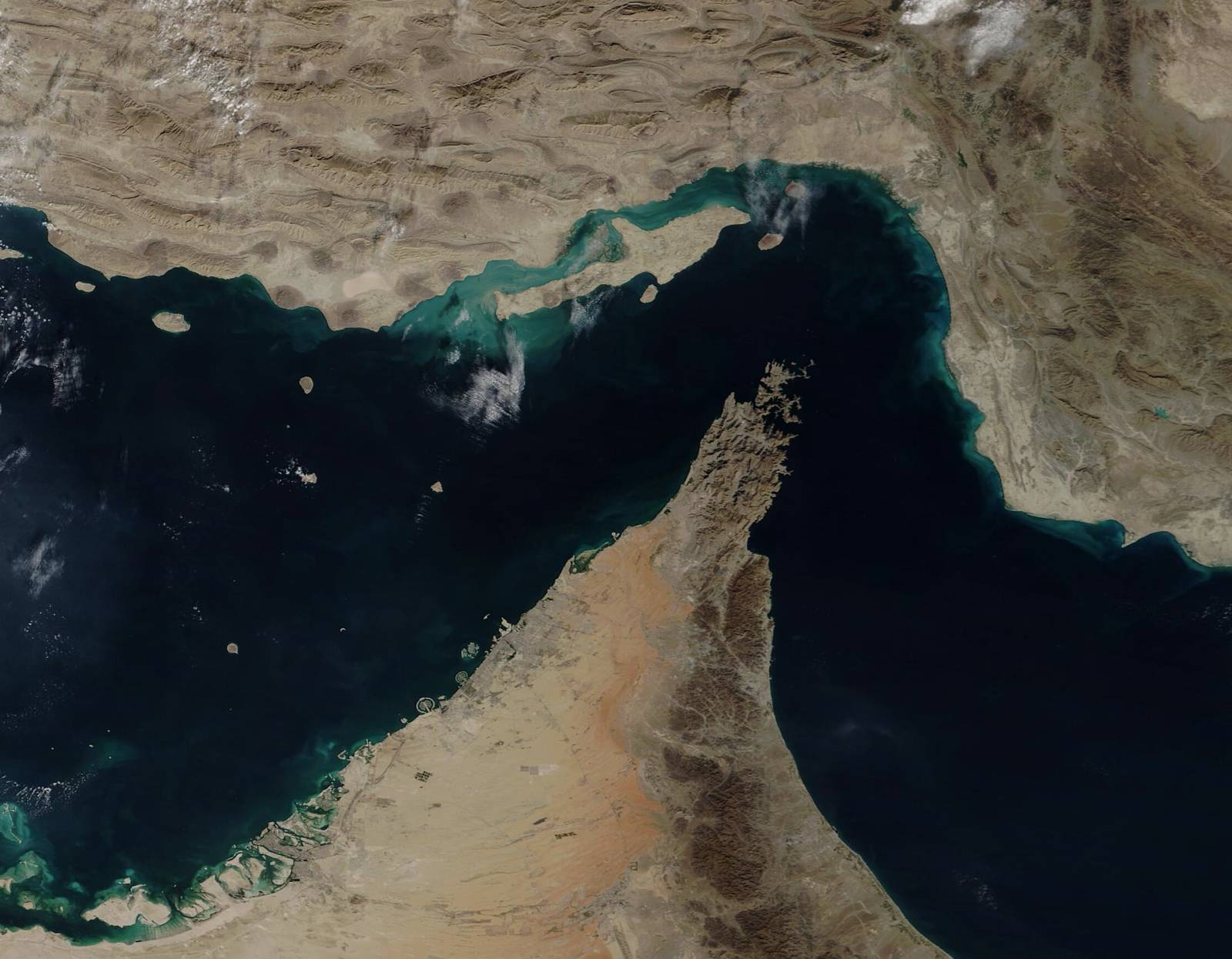
Here’s the short version first. On Friday, at the United Nations in New York, Iranian Foreign Minister Abbas Araghchi said Tehran had sent the United States a concrete seven-day plan through Qatar. If Washington met the conditions, he said, the strait could reopen and ships could move through normally again within a week.
On Saturday, Trump told reporters he’d rejected it. On Sunday, the U.S. Ambassador to the United Nations, Mike Waltz, told CNN’s State of the Union that Iran had asked for “everything up front.” The same day, Trump told Axios he expects more talks this week anyway.
And Araghchi’s answer? Iran has seen the president’s first reaction, he said, but it hasn’t had a formal reply through the mediators. In his view, only a negotiated solution gets anyone out of the deadlock.
One quick note on names. Reuters spells the foreign minister’s name Araqchi. It’s the same man, and we’re using Araghchi throughout.
What Trump said on Saturday
Trump spoke to reporters at the White House before he left for Tennessee. Reuters reporters Trevor Hunnicutt, Parisa Hafezi and Menna AlaaElDin carried the rejection in his own words:
“I reject their proposal. … I rejected their deal.”
“They want to make a deal to open the Hormuz Strait immediately because they’re losing so badly,” he said. “We’re winning tremendously.”
“They want to make a deal and I think that’s fine, I like making a deal too. What they want to do is immediately open the Hormuz Strait … because they have no money coming in, because they get their money from the Hormuz Strait.”
Al Jazeera’s account of the same remarks lines up closely. Trump said Iran wanted a deal to open the waterway right away only “because they are losing so badly.” He said they want a deal, and he’d like one too. But this proposal, he said, “would not be acceptable.”
The Washington Post’s Steve Thompson opened his story on the same dismissal. Tehran’s plan, sent through mediators, would reopen Hormuz and restart peace talks within seven days. Trump rejected it as he boarded Marine One for the Tennessee trip.
What he didn’t do, at least in the remarks Reuters and Al Jazeera carried, was go through Iran’s conditions one by one and knock each of them down. What reporters on the lawn got was a flat rejection and a lot of talk about leverage. Iran’s losing. The U.S. is winning. Tehran needs the money that comes through the strait. And this particular deal is off the table.
None of this came out of nowhere. Late on Friday, The Wall Street Journal had already reported that Trump would reject the proposal, quoting unnamed U.S. officials. According to that report, as Reuters and Al Jazeera relayed it, those officials said Trump was privately sceptical that Tehran would meet his demands. They also said he’d told aides he sees a renewed bombing campaign as likely after the November U.S. midterm elections.
On Sunday, Waltz rejected the idea that a bombing campaign after the midterms was the administration’s plan. So it’s unnamed officials on one side and an on-the-record denial on the other. Nobody has confirmed a strike order.
What Iran put on the table
Here’s how Al Jazeera quoted Araghchi at the UN on Friday: “Iran has conveyed to the United States, through Qatar, a concrete seven-day plan. If the necessary conditions are met, the strait can be reopened, and normal maritime passage restored within seven days.”
Reuters carried another line from him, which works as a test of how serious Washington is: “If there is seriousness on the US side to come to a deal and reopen the Strait of Hormuz, everything is now prepared.” If the U.S. agreed, he said, wider talks could start “on mutually agreed subjects.”
So what are the conditions? Al Jazeera’s reporting on 26 and 27 September lays out the package. Washington would lift its naval blockade of Iranian ports. It would waive sanctions on Iranian oil sales. It would release an estimated $12 billion in frozen Iranian assets. And it would observe a ceasefire across the region, including Lebanon and Yemen. Then the strait reopens, and talks on a final agreement begin.
What about the timing inside that week? According to Al Jazeera’s summary of what Araghchi said, the U.S. steps could take four or five days. By day seven, the strait would reopen and talks on a final agreement would begin. Araghchi said the clock starts when the United States accepts the plan. He also said none of the U.S. steps are new. They’re already in the memorandum of understanding the two sides signed in June.
Caolán Magee’s Al Jazeera explainer on the plan, published on 25 September, adds more detail on the order of events, drawing on Gabriel Elizondo’s reporting. First, the fighting stops on every front, Lebanon included. Then the U.S. lifts the naval blockade and the oil sanctions and releases the frozen assets. After seven days, Hormuz reopens. Only after that do talks on Iran’s nuclear programme begin.
Urban Coningham of RUSI, quoted in that explainer, says that’s exactly the problem for Washington. The U.S. doesn’t want the issues split up, with the strait first and the nuclear programme later. It wants one package.
About that $12 billion. It’s an estimate from Al Jazeera’s coverage of the roadmap, not an official Treasury number.
How we got to a seven-month war
The war began on 28 February 2026 with U.S. and Israeli attacks, Reuters recapped on Saturday. Since then it’s swung between pauses and fresh strikes. Thousands have been killed. Iran’s conventional forces have been worn down. Its economy, already in poor shape, has taken more damage.
Iran and its allies have widened the fight. There have been drones and missiles fired into the Gulf, and Houthi attacks linked to pressure on Saudi Arabia and on Red Sea shipping. Reuters and Al Jazeera both describe it as one regional war.
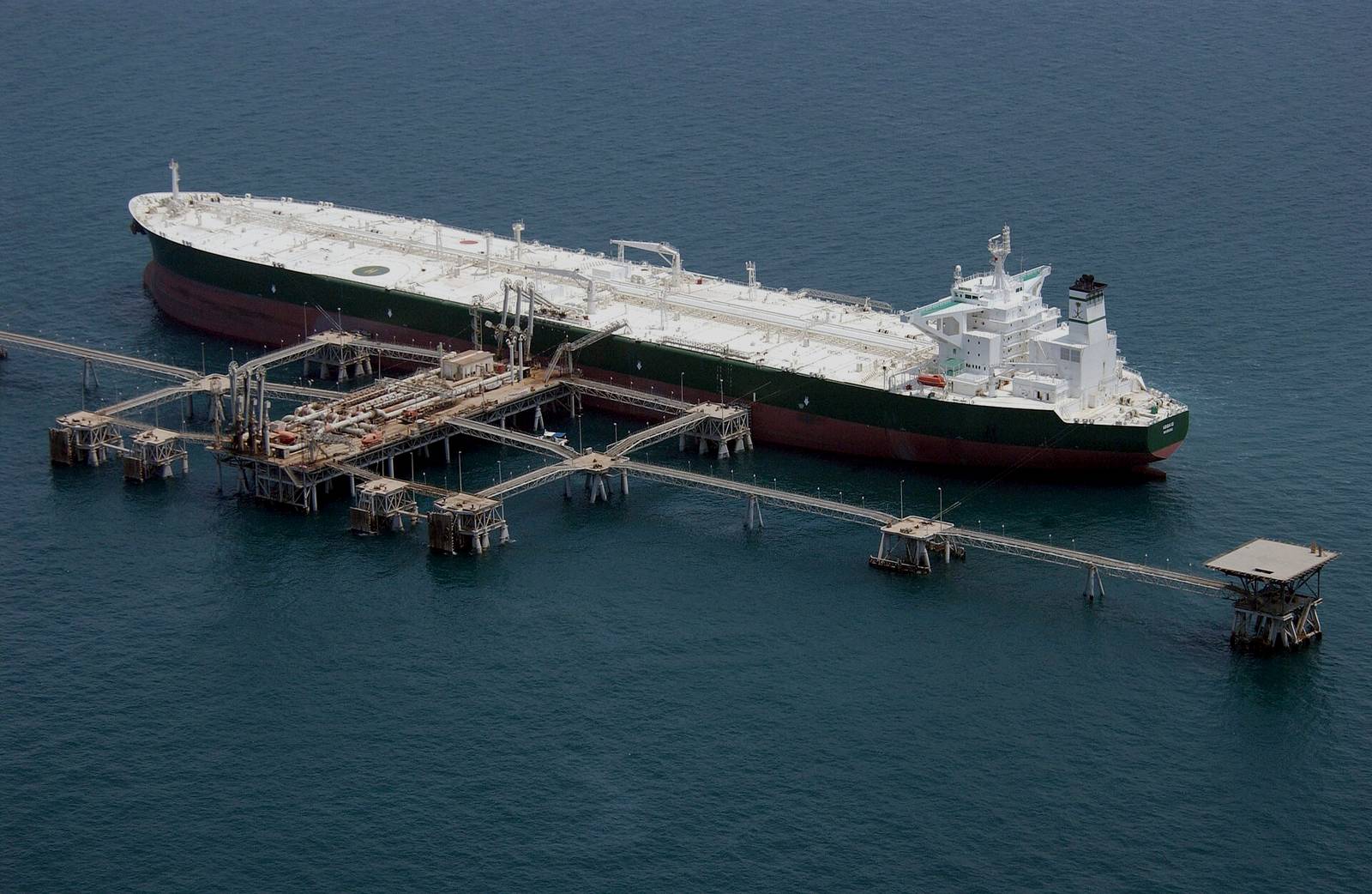
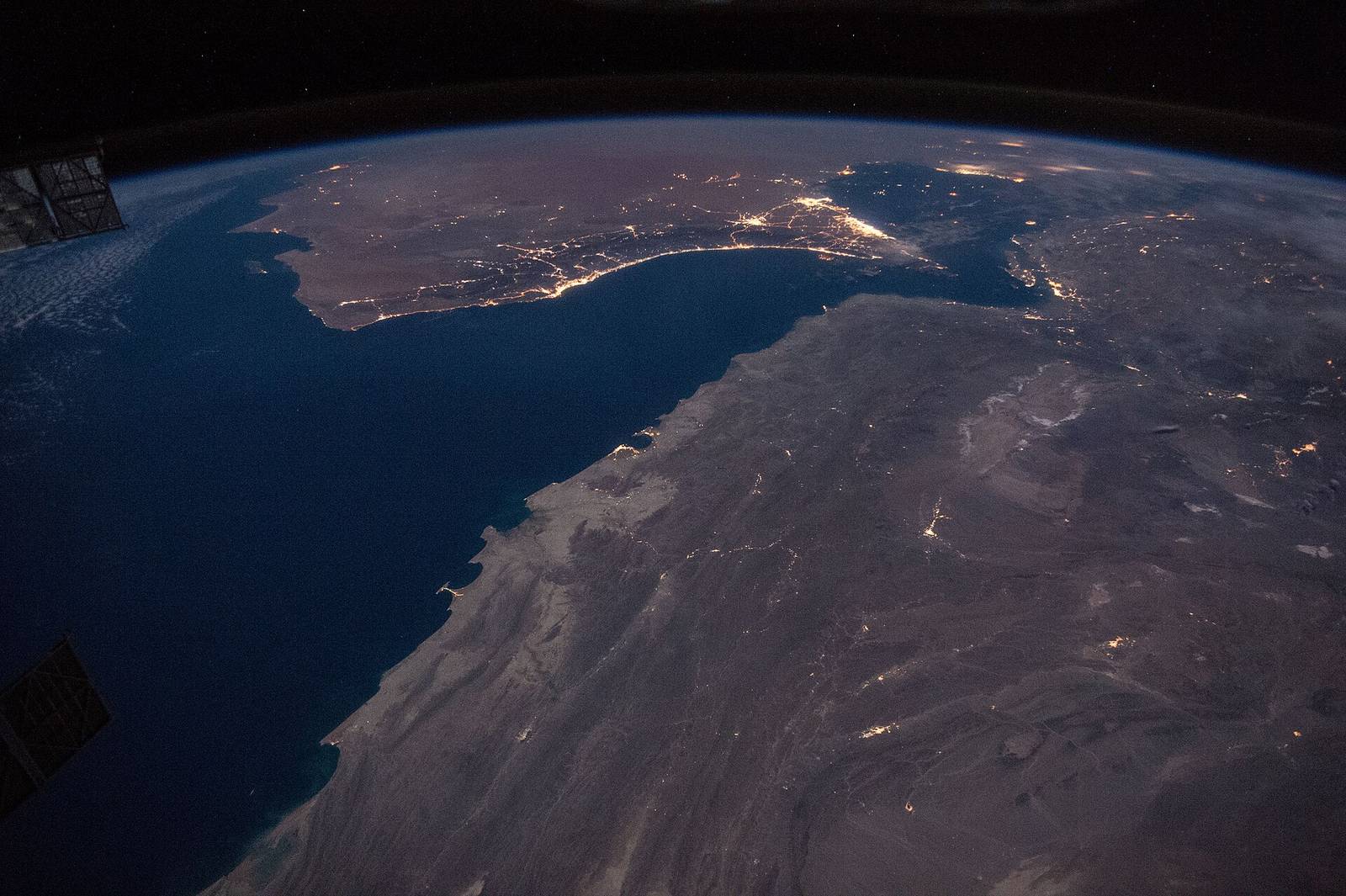
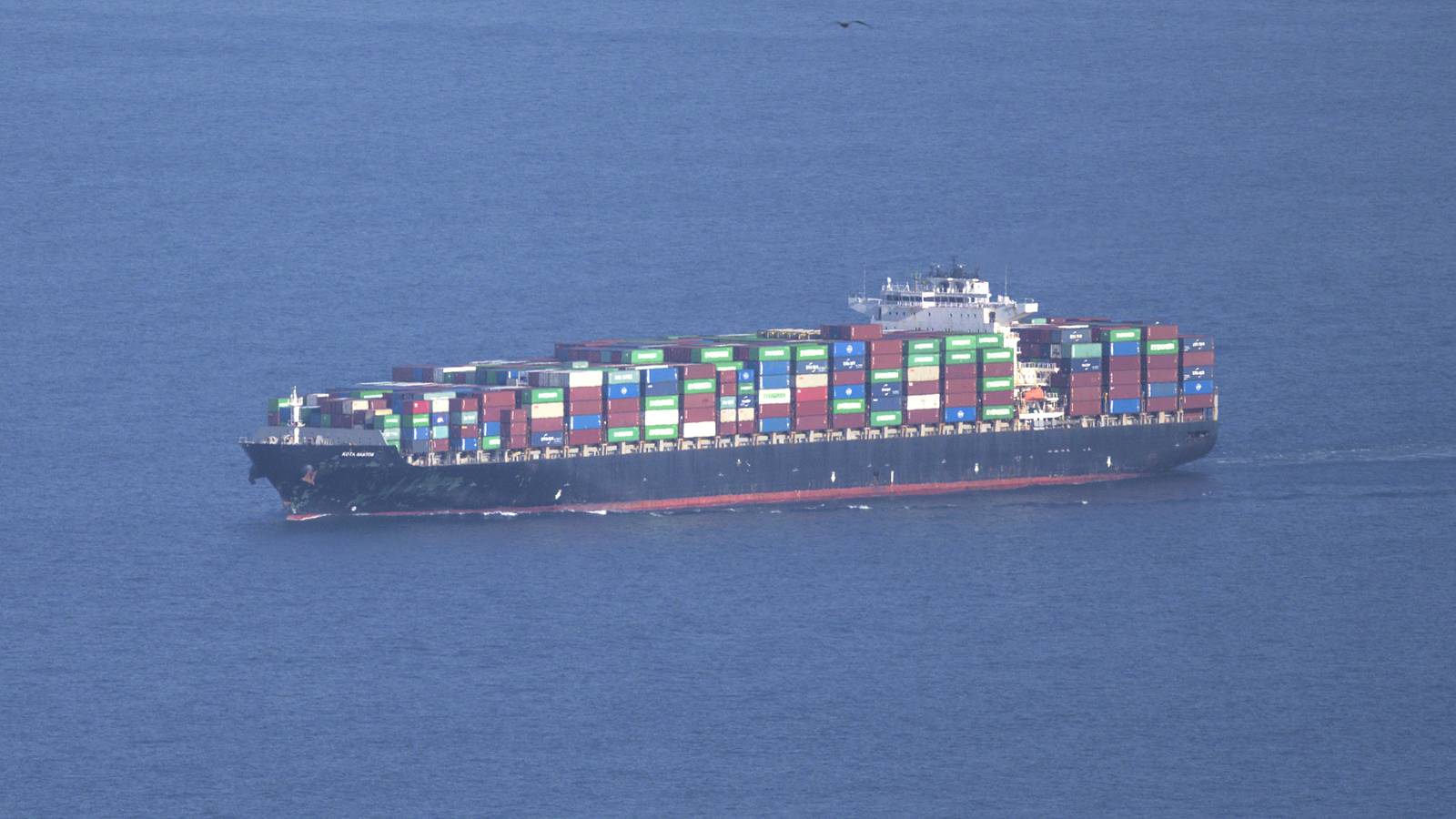
Al Jazeera’s 26 September report says Iran closed the Strait of Hormuz soon after the war began. Iranian attacks on ships cut traffic sharply. The United States hit back with an economic blockade on Iran. It also threatened secondary sanctions against airports and companies that deal with Iranian airlines. Al Jazeera says those measures have already led the UAE, Iraq and Oman to cancel flights.
Then there’s the question of who actually controls the strait. Trump says the U.S. has “total control” of the Hormuz Strait. Iran’s President Masoud Pezeshkian told Al Jazeera that Iran isn’t responsible for the closure, and that the U.S. had “closed the routes before us.”
So Washington says it controls the waterway. Tehran says U.S. pressure closed the routes, and that the strait reopens if talks end the war. They aren’t describing the same map, and it’d be wrong to pretend they are.
The June deal that already failed once
In June, Washington and Tehran signed a memorandum of understanding. It was meant to end the war, reopen the strait and launch talks on Iran’s nuclear programme. Reuters and Al Jazeera both treat it as the parent of Friday’s seven-day plan.
It fell apart. Reuters says the deal collapsed soon afterwards, when Iran fired on commercial ships in Hormuz that it accused of leaving Iran’s approved route. Al Jazeera’s 27 September explainer says the agreement collapsed over differences on the terms and a rise in attacks in and around Hormuz. In Al Jazeera’s words, the strait “essentially remains under Iranian blockade.” That’s one more claim that doesn’t square with Trump’s “total control.”
On CNN on Sunday, Waltz pointed back to that failed agreement, signed in Pakistan in June, The Guardian’s Edward Helmore reported. Iran, Waltz said, “immediately violated it by attacking international shipping, in violation of international law, and 146 nations have joined us in condemning Iran for those attacks.”
So when Araghchi says the seven-day conditions are already in the June agreement, he’s asking Washington to bring back an order of events it has already watched collapse. And when Waltz says Iran asked for everything up front after breaking the last deal, he’s explaining why Trump won’t pay that price again for a promise to talk later. Same history. Opposite lessons.
Operation Economic Outcast: the money war alongside the navy
If you only watch the ships, you’ll miss the money side of this.
On 24 August 2026, Treasury Secretary Scott Bessent announced Operation Economic Outcast. In Treasury’s own words, it’s “an unprecedented campaign against the Islamic Republic of Iran and its enablers,” launched at President Trump’s direction. His prepared remarks on the Treasury website spell out the goal plainly: “sever every economic lifeline that sustains this tyrannical regime until Tehran stands alone.”
That day, Treasury made what it calls sectoral determinations, going after five lifelines Iran uses in other countries: digital assets, technology, gold, aviation and shipping. Bessent said OFAC, the Treasury office that runs sanctions, was also sanctioning more than 60 entities, individuals and vessels around the world.
The language was blunt. “Zero-leakage.” Bank Melli branches would be shut. Anyone helping Iran launder money would be cut off from the U.S. dollar system. The White House release the same day called it an economic “D-Day,” coming after military blows to Iran’s capabilities and its nuclear programme.
Al Jazeera’s 27 September explainer links that campaign to Trump’s rejection on Saturday. It points to aviation sanctions last week that disrupted flights, and to Bessent’s pressure campaign a few weeks before that. The White House bet, as the explainer describes it, is that the naval blockade plus economic isolation is finally squeezing Tehran hard enough that the seven-day offer looks like weakness, not a deal the U.S. has to take.
Andreas Krieg of King’s College London, quoted in the explainer, says Trump’s public “losing badly” line suggests he thinks time is on America’s side at the bargaining table.
Richard Weitz of the NATO Defence College, also quoted there, says Washington may believe it can “wait a bit and get better terms.” Economic pressure over time, he says, could push Iran into more concessions. He points to the trade-offs behind the 2015 nuclear deal as a historical echo, not an exact match.
That’s analysis, not fact. The hard facts underneath it are Bessent’s launch language in August, the five sectors Treasury targeted, the naval blockade Iran wants lifted first, and Trump’s refusal on Saturday to accept Tehran’s order of events.
UN week: Witkoff, Kushner, Qatar and a public clock
Axios’s Barak Ravid, writing on 27 September after a phone interview with Trump on Sunday, filled in the back-and-forth in New York. U.S. envoys Steve Witkoff and Jared Kushner held a new round of indirect talks with Araghchi on the sidelines of the UN General Assembly last Tuesday. Qatari officials passed messages between them. Araghchi set out Iran’s conditions for reopening Hormuz and getting back to nuclear talks.
On Thursday, Qatar’s prime minister met the Iranian president in New York. Senior Qatari officials then briefed Witkoff. A regional source told Axios the Qataris discussed Iran’s original proposal with both sides and offered a compromise text for them to look over. Over the weekend, the mediators went back and forth on changes. Separate Qatari meetings with Araghchi and Witkoff were expected as early as Monday, US time.
The full text of Qatar’s compromise proposal hasn’t been made public.
Earlier, a U.S. official had described the talks through mediators as “positive and constructive,” Reuters reported. That upbeat note sat awkwardly next to the Journal’s Friday report of a coming rejection, and next to Trump’s public no on Saturday.
Then there’s Trump’s own speech to the UN General Assembly last Tuesday. As Magee’s Al Jazeera explainer sums it up, Trump accused Iran of waiting to see how Republicans do in the midterms, and predicted a deal after the vote. He also threatened to “annihilate the Islamic Republic” if there was no agreement. Trump said the election doesn’t drive his own decisions on Iran. “The only thing that does is that Iran will never have a nuclear weapon.”
That midterm talk matters for two reasons. Waltz later denied the Journal’s story about a bombing plan after the election. And Araghchi told NBC the midterms aren’t part of Iran’s calculations.
The weekend: Waltz on CNN, Trump to Axios, Iran still waiting
Here’s Waltz on State of the Union on Sunday, as The Guardian reported it. Iran’s negotiators “were asking for everything up front,” he said. According to Waltz, Iran wanted relief “from billions and billions of sanctions that are going into place” as part of the economic blockade meant to stop Iranian attacks on shipping in Hormuz.
“They were asking for everything up front with a promise that they would then talk,” Waltz said. “The president is just not confident that the Iranians are coming in good faith and that we will truly negotiate the end of their nuclear program.”
That’s the administration’s plain-English version of the fight over who goes first. Sanctions relief, the blockade lifted, the assets freed and a ceasefire, all first. Talks after. Washington hears a hostage demand. Tehran hears the price of reopening a waterway after months of war and blockade.
Trump, talking to Axios the same day: “I expect more talks with Iran [this week]. They want to make a deal, but it is not the deal that I want to make. It is what we would have maybe agreed to a year ago. They overplayed their hand.”
Asked about resuming strikes, Trump told Axios: “I am always thinking about it.”
On oil, Trump told Axios the U.S. military is helping move a lot of oil out through Hormuz. He said the weekend saw the largest amount since the war began: “More than 20 million barrels.” A U.S. defense official confirmed to Axios that 22 million barrels were exported through the strait on Friday night.
Those are reported figures, from the president and one defense official. They don’t mean normal peacetime traffic is back.
Iran’s side came in over the same weekend. On Saturday, Araghchi responded on Telegram. Al Jazeera quoted him saying Iran “will not back down” on its conditions. “We have seen the first reaction from the U.S. president, but nothing has been conveyed to us from the mediators yet.” Trump, he wrote, has a history of “contradictory” statements. Iran is waiting for “definitive opinions” through the mediators, and it’ll decide on that basis. “Only a negotiated solution,” he said, would get the U.S. “out of this deadlock.”
On Sunday, he went on NBC’s Meet the Press. “We are fully prepared for the war to be resumed,” Araghchi said, as The Guardian reported. “We stand firm in the face of any new aggression, even if it comes to a doomsday war.” Then he added: “At the same time, we stand ready for diplomacy. It is up to President Trump to choose.”
Ravid’s Axios piece also picked up Araghchi’s NBC remarks. Despite the rejection, he said, Iran still wants a diplomatic solution, and the midterms aren’t part of its thinking. “We only care about our national interests. We are ready for negotiations.” And again, he said Iran is waiting for an official answer through the mediators. It isn’t treating what Trump said on the lawn as that answer.
Pezeshkian also spoke to CBS’s Face the Nation, as Reuters and The Guardian both reported. He said Iran is ready for talks on its nuclear programme and other issues, but won’t accept “bullying or coercion.” “Iran is not seeking war, but will defend itself against pressure, threats and attacks.” He added that Iran had already agreed “we’re not supposed to develop nuclear weapons.”
Separately, he told Al Jazeera: “We have no trust in the American side and do not know on what basis an understanding can be reached with it.” He pointed to past talks that were followed by strikes and sanctions.
There’s a clash inside Iran’s own messaging on the nuclear question, too. Pezeshkian says Iran is ready for nuclear talks and won’t develop nuclear weapons. But a senior Iranian official told Reuters that Iran would show no flexibility on its enrichment rights, or on shipping its highly enriched uranium out of the country, even if Washington accepted the peace deal. Tehran hasn’t said how those two positions fit together.
The sequencing trap, in plain English
Take away the diplomatic jargon and you’re left with a simple, ugly problem.
Iran’s price for reopening Hormuz within seven days is U.S. relief up front. Lift the blockade. Waive the oil sanctions. Free up the frozen assets. Agree to a ceasefire across the region, Lebanon and Yemen included. Then the waterway opens. Then come the wider talks, with the nuclear file later on, in the order Tehran prefers.
Washington’s price, as Waltz puts it, is confidence that Iran will actually negotiate an end to its nuclear programme, rather than pocket sanctions relief on a promise. Trump’s comments on Saturday and Sunday add the leverage argument. Iran needs the money from the strait. The current offer is something he might have agreed to a year ago. Iran overplayed its hand. And there can be more talks without accepting this text.
Gulf News summed up the trap in a single line: both sides say they want an agreement, but neither wants to give up its main leverage first. That fits what the rest of the reporting shows.
Some experts think Trump is misreading Tehran. Krieg warns, in Al Jazeera, that Trump may be confusing Iranian pain with Iranian willingness to give in. Mortazavi, also quoted in that explainer, says Iran is signalling diplomacy and defiance at the same time, and that the rejection hardens Tehran rather than unlocking new concessions. Harrison of the Middle East Institute says Iran probably expected the rejection, and needed a public show of goodwill for audiences at home and in America.
Those are expert views. They don’t replace the facts on the record: Trump’s no, Araghchi’s wait, and Waltz’s “everything up front.”
The story so far, step by step
One. The war started on 28 February 2026 with U.S. and Israeli attacks. Months of pauses and strikes followed, and shipping through Hormuz was hammered.
Two. In June, the two sides signed a memorandum of understanding to reopen the strait and start nuclear talks. It collapsed over attacks on Hormuz shipping and disputes about the terms.
Three. On 24 August 2026, Bessent launched Operation Economic Outcast, on top of the naval blockade.
Four. During UN week in New York, Witkoff and Kushner held indirect talks with Araghchi through Qatar. On Friday, Araghchi went public with the seven-day roadmap.
Five. According to Al Jazeera, the roadmap asks the U.S. to lift the blockade, waive oil sanctions, free an estimated $12 billion in assets and agree to a regional ceasefire. The strait would reopen within seven days, and talks would follow.
Six. On Saturday, 26 September, Trump said: “I reject their proposal.” Araghchi said on Telegram that Iran “will not back down” and was still waiting to hear from the mediators.
Seven. On Sunday, 27 September, Waltz said Iran wanted “everything up front.” Trump told Axios he expects more talks this week, and that Iran “overplayed their hand.” Araghchi told NBC that Iran is ready for war and for diplomacy.
Eight. The two sides still disagree on who controls Hormuz. Trump claims “total control.” Al Jazeera says the strait “essentially remains under Iranian blockade.”
What we still don’t know
We haven’t seen the text of Qatar’s compromise proposal. There’s no confirmed plan to resume bombing after the midterms. The Journal’s report rests on unnamed officials, and Waltz has denied it. The $12 billion figure for frozen assets is Al Jazeera’s estimate, not an official Treasury number. And there’s no agreed answer on who really controls Hormuz, because the two sides describe it in opposite terms, on the record.
Where it stands
Trump rejected the Hormuz roadmap. Iran’s seven-day clock never started, because Washington wouldn’t pay the price Tehran set out at the UN. Waltz says that price was everything up front. Araghchi says what Trump said on the lawn isn’t the mediators’ answer, and that diplomacy is still the way out of the deadlock. And Trump says to expect more talks this week, just not on this deal.
Put it all together and here’s where things are. There was a public no on Saturday. On Sunday, Washington said Iran wanted everything up front, and Tehran said it was still waiting on the mediators. Behind all that sits a war that’s been running since late February, a failed deal from June, Bessent’s money war alongside the navy, and a strait the two sides can’t even agree on who controls.
Sources
The Washington Post, Steve Thompson, 26 September 2026. Trump’s dismissal of Iran’s seven-day plan as he left for Tennessee. https://www.washingtonpost.com/national-security/2026/09/26/trump-rejects-iran-proposal-reopen-strait-hormuz-restart-peace-talks/
Reuters, Trevor Hunnicutt, Parisa Hafezi and Menna AlaaElDin, 26 September 2026. Trump’s rejection quotes, Araghchi at the UN, the war’s background, the June agreement’s collapse, Pezeshkian on CBS and a senior Iranian official on enrichment. https://www.reuters.com/world/middle-east/iran-awaits-us-move-after-wsj-report-says-trump-rejects-peace-plan-2026-09-26/
Al Jazeera staff, 26 September 2026. The rejection, Araghchi’s Telegram response, the roadmap’s terms, the Hormuz closure and blockade, Pezeshkian on trust, and Harrison’s analysis. https://www.aljazeera.com/news/2026/9/26/trump-rejects-irans-seven-day-roadmap-to-reopen-strait-of-hormuz
Al Jazeera, Caolán Magee, 25 September 2026. What’s in the seven-day plan, with reporting from Gabriel Elizondo and analysis from Urban Coningham of RUSI. https://www.aljazeera.com/news/2026/9/25/whats-in-irans-seven-day-plan-to-reopen-the-strait-of-hormuz
Al Jazeera staff, 27 September 2026. An explainer on why Trump wants a “better deal,” with analysis from Krieg, Weitz, Elmasry, Mortazavi and Harrison. https://www.aljazeera.com/news/2026/9/27/better-deal-whats-behind-trumps-rejection-of-irans-truce-offer
Axios, Barak Ravid, 27 September 2026. Trump’s phone interview, the oil-flow figures, the talks through Qatar and Araghchi’s NBC comments. https://www.axios.com/2026/09/27/trump-iran-war-hormuz-blockade-negotiations
The Guardian, Edward Helmore, 27 September 2026. Waltz on CNN’s State of the Union, and Araghchi on NBC. https://www.theguardian.com/us-news/2026/sep/27/trump-un-ambassador-iran-war
U.S. Treasury, Scott Bessent’s remarks, 24 August 2026. The launch of Operation Economic Outcast. https://home.treasury.gov/news/press-releases/sb0614
The White House, 24 August 2026. The Operation Economic Outcast release. https://www.whitehouse.gov/releases/2026/08/operation-economic-outcast-total-isolation-of-the-iranian-regime/

The paper
Comments
No notes on this story yet.
Sign in to comment