ArchiveHow-to Desk
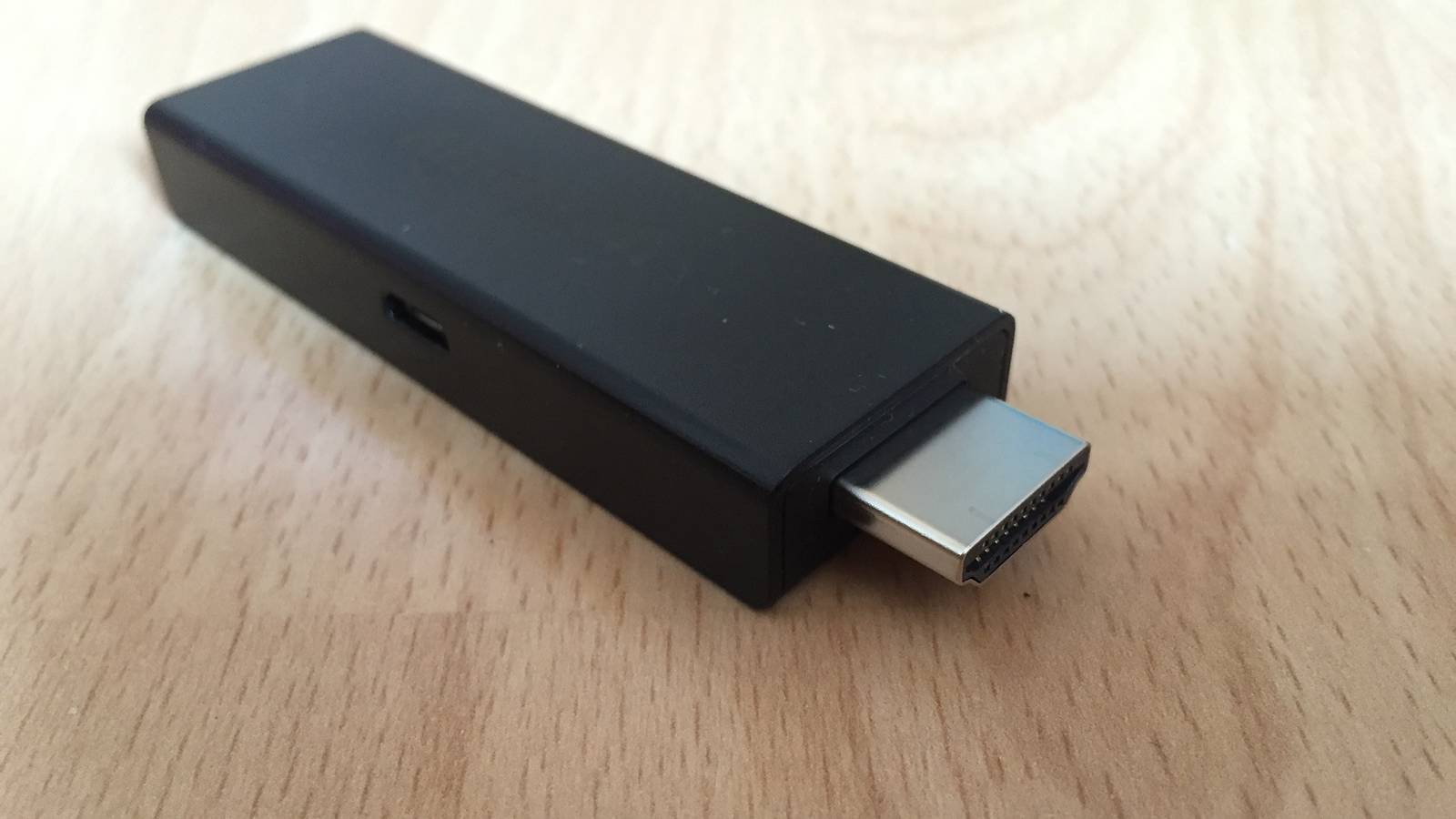
How to set up the new Fire TV Stick 4K on your TV’s USB power
Amazon’s A$129 Fire TV Stick 4K can run off your TV’s USB port. Here’s how to set it up, and what to do if the TV says there isn’t enough power.
Computing correspondent
Computing desk

Quin Halberg writes the Computing and How-to desks, with 30 stories covering chips, operating systems and the hardware people buy. Computing pieces run from AMD's EPYC Venice prices to Windows 11 26H2 and Rust 1.99. The how-to guides walk readers through jobs like moving books to Amazon's new Kindle, or checking every clock in the house when daylight saving starts.
Amazon’s A$129 Fire TV Stick 4K can run off your TV’s USB port. Here’s how to set it up, and what to do if the TV says there isn’t enough power.
Amazon’s redesigned Kindle is on sale in Australia from A$279. Here’s how to move your books, notes and personal files across, then wipe the old one.
Daylight saving starts at 2am on Sunday 4 October in SA, NSW, Victoria, Tasmania and the ACT. Here's how to make sure your devices jump forward an hour.
AMD's priced all 31 of its Zen 6 EPYC Venice server chips, from US$700 for eight cores to US$14,904 for the 256-core EPYC 9996.
Los Alamos has its first NVIDIA Vera CPU server running in its Darwin testbed, getting code ready for its Mission, Vision and Veritas supercomputers.
Microsoft began rolling out Windows 11 version 26H2 on 29 September. It installs like a monthly patch and resets support to 24 months for Home and Pro.
Rust 1.99.0, out on 1 October, lets programmers write C-style variadic functions in Rust and stabilises raw-pointer layout APIs.
Raspberry Pi's Smart Display Module went on sale on 29 September for US$30. It slots a Compute Module 5 straight into Intel SDM-ready screens.
NVIDIA fixed 114 security holes in its GPU drivers on 30 September. If you run an NVIDIA card on Windows or Linux, it's time to update.
Four Linux flaws that let a local user take full control, including DirtyAH6 and TUNderflow, are now public. Kernel updates fixing all four are out.
CISA's Known Exploited Vulnerabilities catalog and its CSV and JSON feeds should be your first stop when deciding what to patch. Here's how to use them.