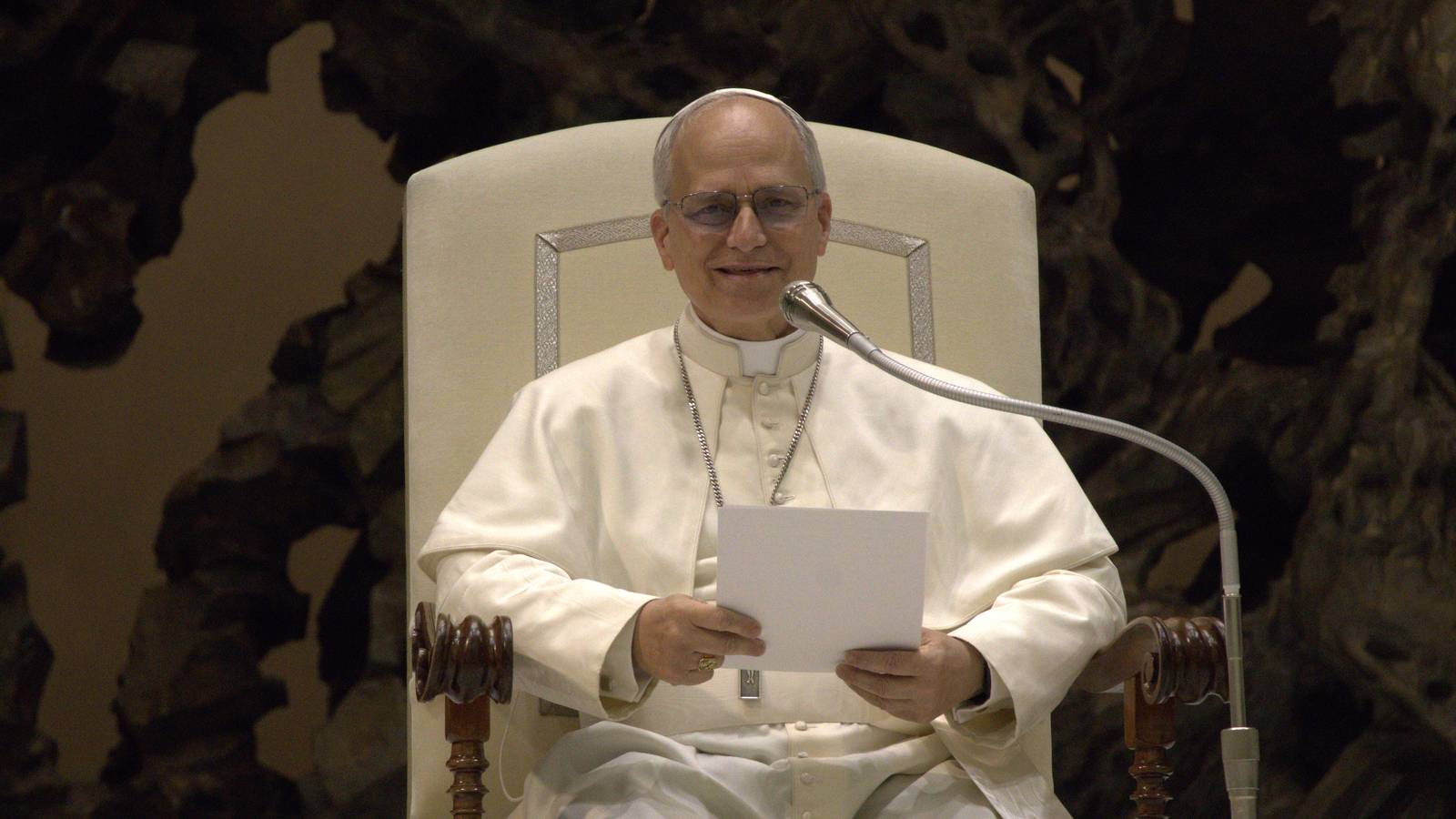
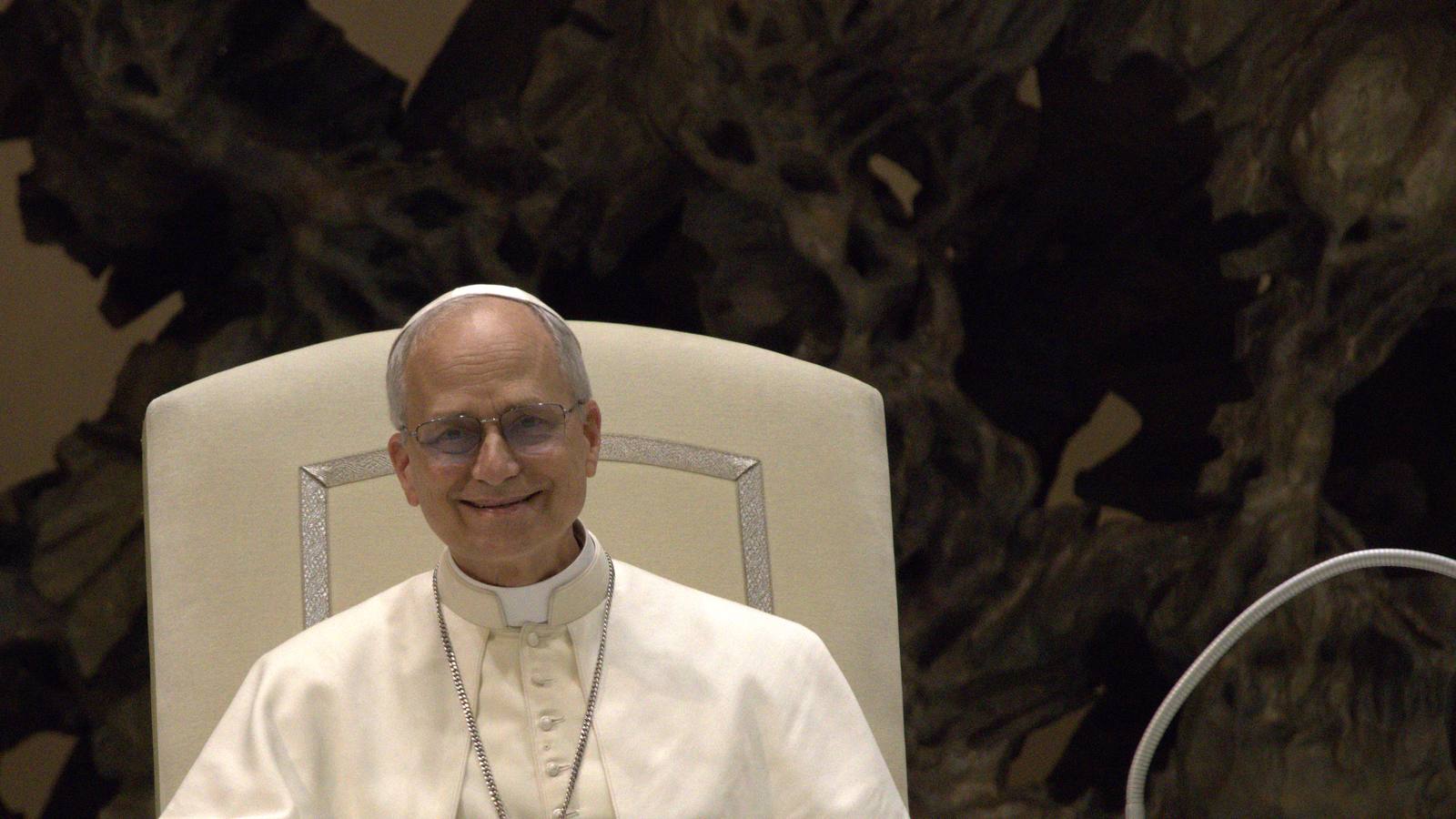
Pope Leo XIV won't be in Assisi on Tuesday. His doctors say he's healing very well from lung cancer surgery, but they don't want him on a helicopter just yet.
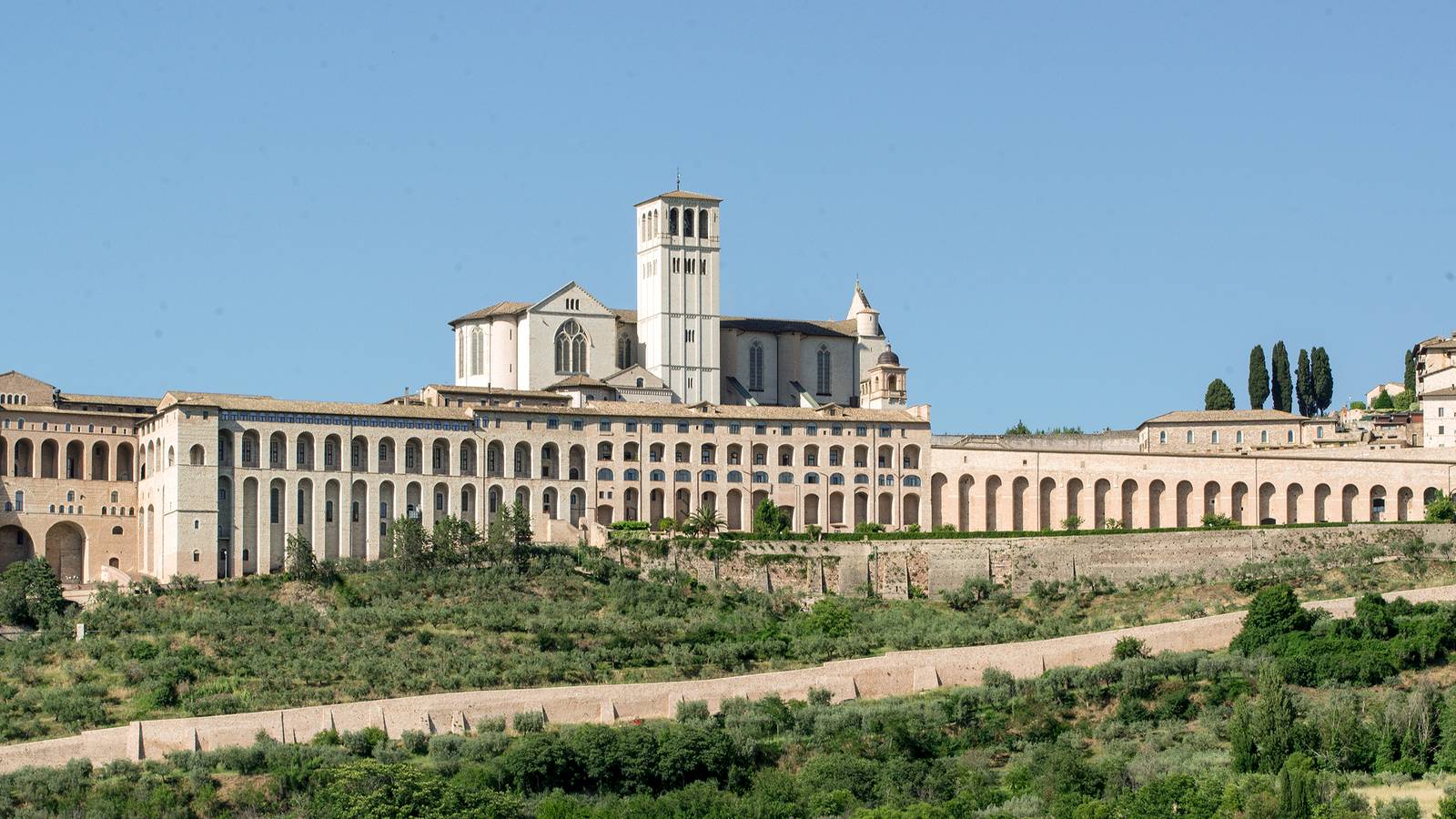
The Holy See Press Office announced on Friday 23 October that Leo will miss the 27 October closing of a peace meeting marking 40 years since Pope St John Paul II first gathered the world's religious leaders in the town of St Francis.
What the Vatican said
The statement was short and careful. "To aid his recovery following the thoracic surgery he underwent on Tuesday of last week, Pope Leo XIV will be unable to attend the 'Unarmed and Disarming Peace' meeting in Assisi on October 27, as planned," it read, as Vatican News reported. "The meeting marks the 40th anniversary of the World Day of Prayer for Peace convened by Saint John Paul II."
Instead, the Pope will send a message expressing his closeness to the "organizers, the leaders and representatives of Christian denominations and other religions, and the guests attending."
The Press Office added that the Holy Father remains convinced "that the 'Spirit of Assisi' dialogue and the search for words and gestures of peace are valuable resources in an age of conflict."
The doctors' reasoning
The decision came from the two men who've managed his care since the operation, his personal physician Dr Luigi Carbone and his surgeon, Professor Stefano Margaritora. Their statement made clear this is caution, not a setback.
"The Holy Father underwent a follow-up chest X-ray as scheduled. The examination confirmed that his postoperative recovery is progressing very well," they said. "However, given the short time that has elapsed since the surgery, his doctors advised against the planned helicopter journey on October 27 as a precaution."
That's a sensible call, ten days out from major chest surgery. The plan had been to fly him there by helicopter on the day.
How we got here
It's been a fast fortnight. On Tuesday 13 October, surgeons at Rome's Gemelli hospital removed the lower lobe of Leo's right lung. A test during the operation confirmed lung adenocarcinoma, the most common type of lung cancer. We reported the surgery's outcome here.
Four days later he walked out of hospital, telling reporters "I am much better, thank you," and his surgeon said there was no medical reason to cancel his trip to South America next month. That story is here.
Then came the news everyone was waiting for. On Wednesday evening, 21 October, the same doctors released the final laboratory results. "The final histopathology and molecular testing reports on the tissue removed during the Holy Father's surgery were issued today," they said in a statement published by Vatican News. "The results confirmed that the tumor was a lung adenocarcinoma and that the disease was localized. A subsequent oncological assessment has confirmed that no further treatment is necessary."
No chemotherapy, no radiation. For a 71 year old man, that's about as good as a cancer diagnosis gets. Earlier that same day, he'd been out in St Peter's Square for his weekly general audience.
What Assisi is
To see why this meeting matters to Catholics, go back to 27 October 1986. John Paul II invited leaders of the world's Christian churches and of other religions to Assisi to pray for peace. They didn't pray together in one service. Each tradition prayed in its own way, in its own place, and then they came together. It was controversial at the time, and it became one of the signature moments of his pontificate.
The Community of Sant'Egidio, the Rome-based Catholic lay movement, has kept that "Spirit of Assisi" going ever since with a peace meeting every year, in cities across Europe and beyond. Popes have returned to Assisi for the big anniversaries. Benedict XVI went for the 25th in 2011, and Francis went for the 30th in 2016.
This year's meeting runs from Sunday 25 to Tuesday 27 October. According to Vatican News, it's expected to bring together 384 representatives of religions, cultures and institutions from 53 countries. There are 24 forums on conflict, disarmament, migration, poverty, young people and the role of religions in building peace. The Sant'Egidio programme includes sessions on St Francis and peace and one titled, in Italian, "La preghiera protegge il mondo," prayer protects the world.
The closing day was where the Pope was due. It brings the religious leaders to pray for peace in separate places near the Sacred Convent, where St Francis is buried, before a closing ceremony.
Leo's own words
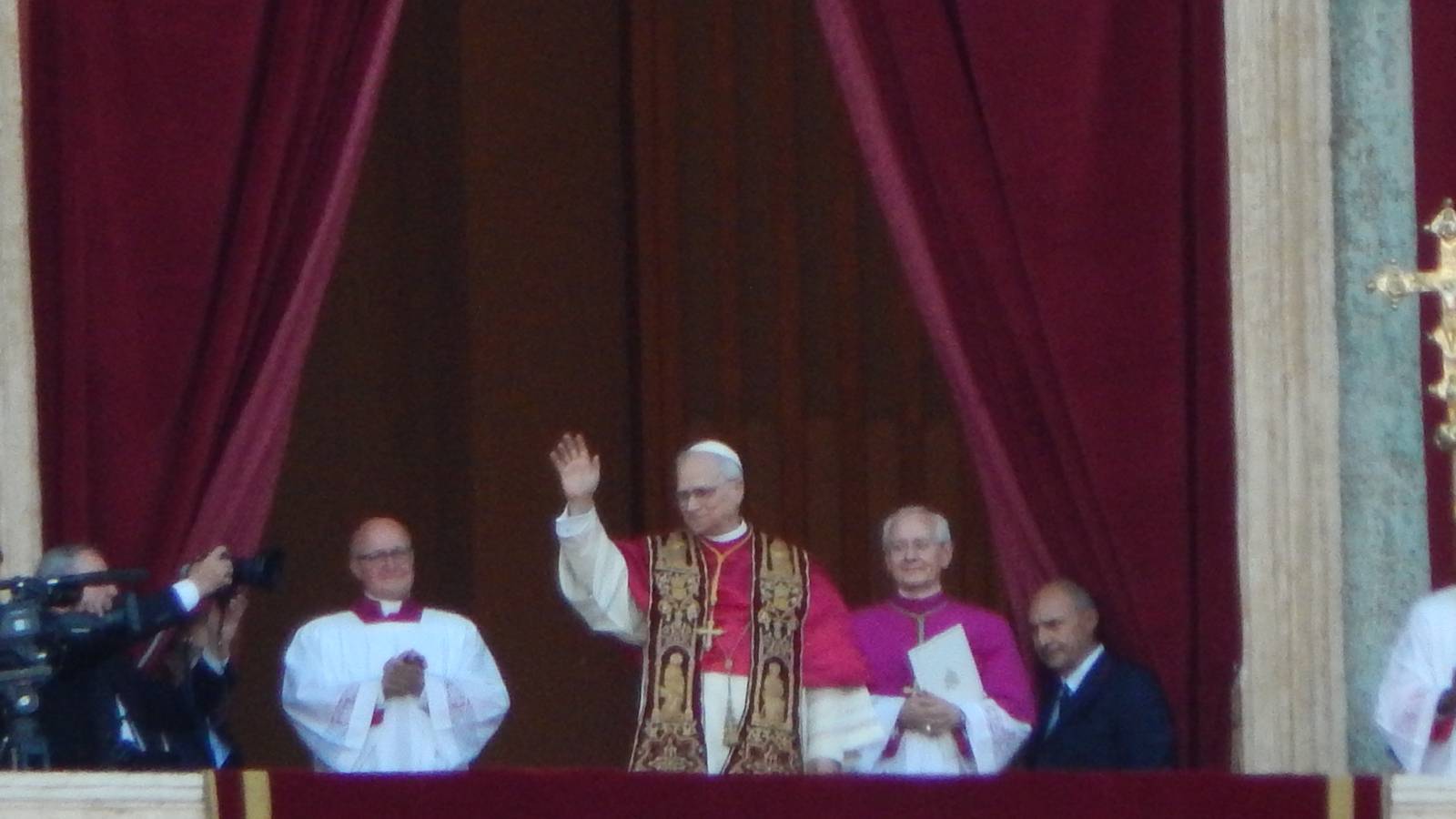
The meeting's title isn't random. It's borrowed from Leo himself. On 8 May 2025, in his first words as Pope from the loggia of St Peter's, he greeted the world with "Peace be with you!" and then described what kind of peace he meant.
"It is the peace of the risen Christ," he said, according to the Holy See's text. "A peace that is unarmed and disarming, humble and persevering. A peace that comes from God, the God who loves us all, unconditionally."
So missing this one will sting a little. It's a gathering built around the phrase that opened his papacy.
He isn't a stranger to Assisi, at least. On 6 August this year he made a pastoral visit there, celebrating Mass at the Basilica of Our Lady of the Angels and meeting young people. That Mass is the Vatican News video embedded with this story.
A busy day for a recovering man
If you're wondering how frail he is, Friday answers that. The same morning the Assisi news came out, the Press Office bulletin listed three audiences. He met participants in a conference marking 150 years of the Faculty of Canon Law at the Pontifical Gregorian University. He received the bishops of Panama on their regular visit to Rome. And he met Major Archbishop Sviatoslav Shevchuk, who leads the Ukrainian Greek Catholic Church.
To the canon lawyers, Leo spoke about what Church law is for. It "must always aim at the supernatural good of the individual faithful and the edification of the ecclesial communion," he said, according to Vatican News. That end is reached, he said, by "pursuing true justice," which is never separated from truth and mercy.
The Shevchuk meeting landed on a significant day for Ukraine. Hours later, the White House announced a local ceasefire in the Russian-occupied city of Oleshky, starting 29 October, so aid can get in and civilians can leave. Ukraine's chief negotiator, David Arakhamia, credited both Melania Trump and Pope Leo for the long process behind the deal, CBC News reported. Leo had asked Vladimir Putin for exactly that ceasefire from his hospital room on 16 October, as we reported at the time.
What it means for South America
The obvious question is whether this puts next month's trip in doubt. Nothing the Vatican said on Friday suggests it does. The doctors' concern was specific: a helicopter flight so soon after surgery. They called the recovery "very well" in the same breath.
The long trip to South America is still on the books for early November, and the surgeon has already said publicly there's no clinical reason to cancel it. Watch for whether Leo appears at the window for Sunday's Angelus. That's been the clearest sign of how he's doing.
For now, the men and women gathering in Assisi will hear from him on paper rather than in person. Given where he was a fortnight ago, most Catholics will take that trade.
If this story helped, you can help keep the paper going: Support the paper.
The paper
Comments
No notes on this story yet.
Sign in to comment