
NASA just bought three more rides to the station on SpaceX hardware — Crew-15, Crew-16, and Crew-17 — and put a firm price on the package: $946 million, with work running through 2030.
The agency posted the award on Friday, 18 September 2026. It is a contract modification under Commercial Crew Transportation Capability — CCtCap for short — that lifts SpaceX's mission count under that deal to seventeen and the running tab with SpaceX to $5.92 billion. Here's what Friday's paper actually buys, how the two-partner commercial crew bet was built, where we sit on the flight clock, what secondary outlets add with labels, and what this page is not claiming.
I'm going to keep the spine on NASA's own release and the SAM.gov award notice. When Space.com, SpaceNews, or Ars Technica colour shows up, I'll say so. Numbers that matter for money and mission count stay primary. If a secondary outlet helps with near-term flight colour or partner framing, it gets a label. If it tries to rewrite the dollar line, it does not get the ledger.
What Friday's modification actually is
On 18 September 2026, NASA awarded SpaceX three additional International Space Station crew missions through a modification of the Commercial Crew Transportation Capability contract. The missions named in the release are Crew-15, Crew-16, and Crew-17.
It is a firm fixed-price, indefinite-delivery / indefinite-quantity modification. In plain English: NASA locked a price for a defined set of missions and related services, and it can order work under that structure without rewriting the whole commercial crew deal from scratch.
The value of this modification for all three missions and related mission services is $946 million. That figure is not a guess and not a secondary paraphrase. It is the number NASA printed.
What sits inside the $946 million, again from NASA: ground, launch, in-orbit, and return and recovery operations; cargo transportation for each mission; and a lifeboat capability while the spacecraft is docked to the station. That last piece matters more than the jargon suggests. While Dragon sits on the station, it is also the abort path home for the crew assigned to it.
The period of performance runs through 2030. NASA's updated page also notes mission readiness dates in 2027 and 2028. So you're not buying a vague "sometime this decade" promise. You're buying three post-certification crew rotations with readiness windows that fall inside those years, under a performance period that closes out through 2030.
The same modification brings SpaceX's total missions under CCtCap to 17 and brings the total CCtCap contract value with SpaceX to $5.92 billion. On SAM.gov, the Base and All Options Value is printed as $5,919,831,297. Same ballpark, more digits. Award notice NOI-KSC-CCP-2026. Contract NNK14MA74C. Task/delivery NNK17MA01T. Contractor: Space Exploration Technologies Corp. Award date: 18 September 2026. Contracting office: Kennedy Space Center. Published on SAM.gov 18 September 2026 at 10:52 AM EST.
NASA's own sentence on the purpose is worth keeping whole. The agency put it this way: "As part of the agency's Commercial Crew Transportation Capability (CCtCap) contract, this change brings the total missions for SpaceX to 17 and helps NASA to maintain access to the space station with two unique commercial crew industry partners."
Two partners. That's not a throwaway line. It is the design of the program. NASA wrote it into Friday's purpose sentence for a reason, and it still shapes how you should hear a SpaceX-heavy buy. More on that in a minute.
The money and the mission count in one breath
If you only carry four numbers out of this piece, carry these.
One: three missions — Crew-15, Crew-16, Crew-17.
Two: $946 million for those three plus the related services listed above.
Three: seventeen total SpaceX missions under CCtCap after this change.
Four: $5.92 billion total CCtCap value with SpaceX — $5,919,831,297 on the award notice.
Everything else in this story is context around those four. The context matters. The four are the spine.
What CCtCap is — and why 2014 still matters
In 2014, NASA awarded Commercial Crew Transportation Capability contracts to Boeing and SpaceX. The bet was public-private partnership after the space shuttle retired in 2011: two industry providers, each building a crew transportation system, with NASA certifying that a provider's system meets agency requirements before astronauts fly on it.
That certification step is not a press-kit flourish. Under CCtCap, NASA does not simply buy a ticket and hope. The agency certifies the provider system, then buys post-certification missions. SpaceX's system — Crew Dragon on Falcon 9 — was certified by NASA for crew transportation in November 2020.
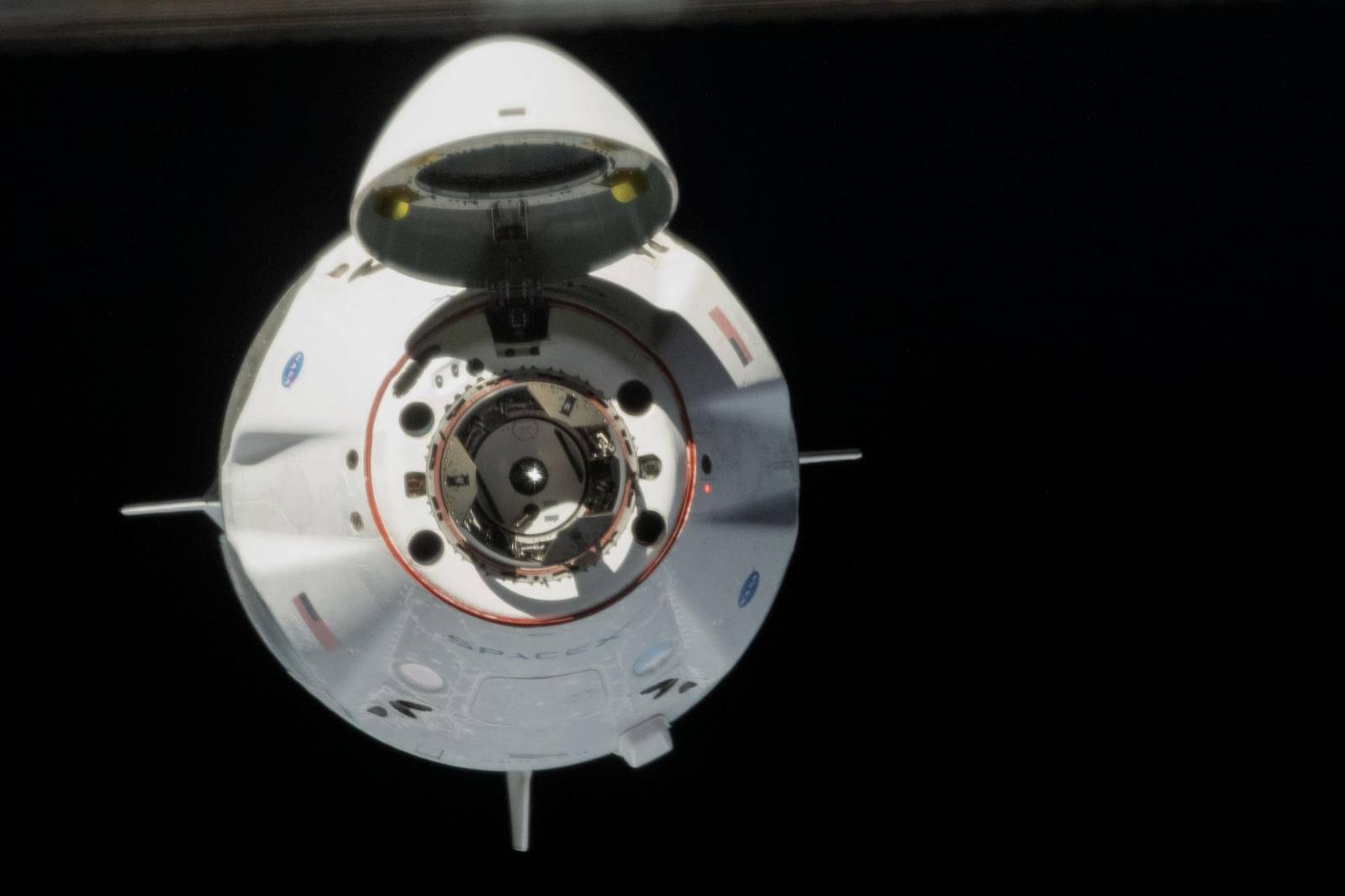
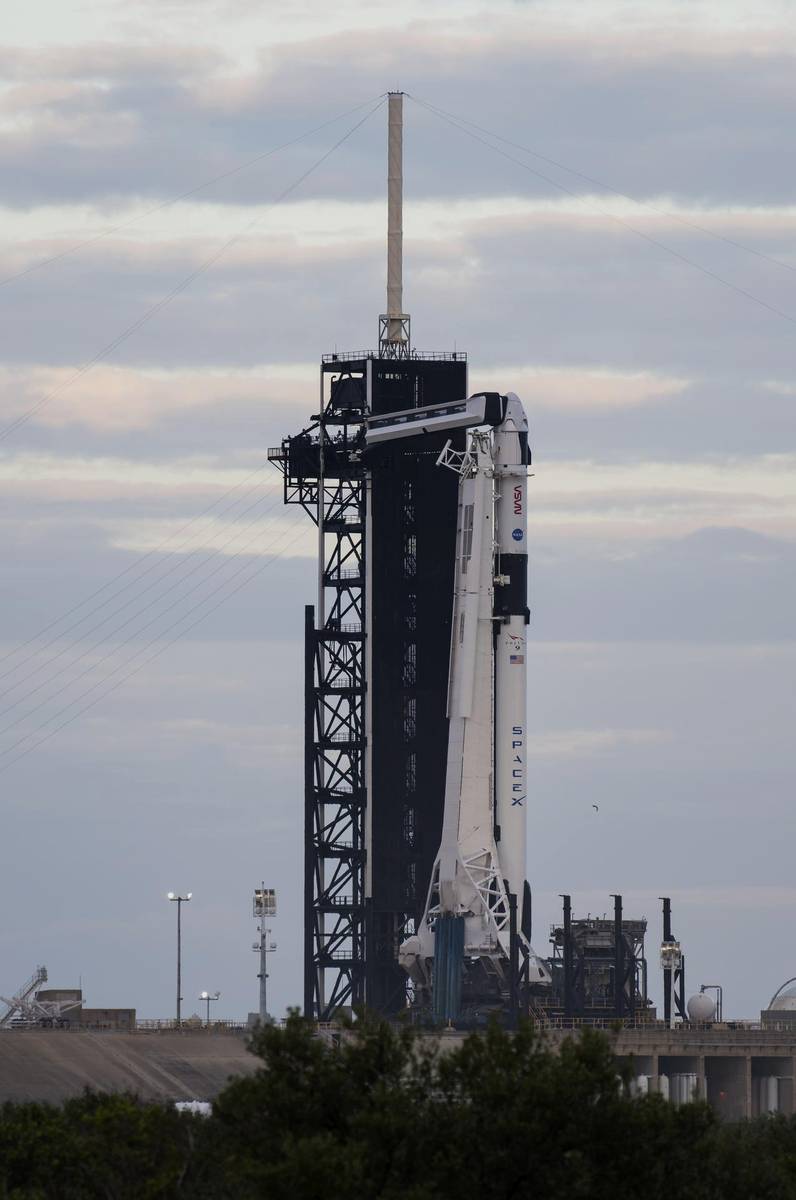
The hardware NASA names in Friday's release is the same stack you've been watching for years: Dragon spacecraft and Falcon 9 rocket, carrying up to four astronauts plus critical cargo to the station. Ground ops, launch, rendezvous, docking, docked lifeboat duty, undock, re-entry, splashdown, recovery — that whole chain is what "related mission services" is pointing at when the modification lists ground through recovery plus cargo plus lifeboat.
Friday's award follows an agency notice of intent in May to purchase the additional missions. NASA is clear that the current sole-source modification does not stop the agency from seeking future contract modifications for more transportation services if it needs them. Sole source for this buy. Door still open for later buys. Those are different sentences. Keep them both.
What $946 million buys when you say it out loud
People hear "$946 million for three flights" and picture three launches. The contract text is wider than the ignition moment.
Ground operations: the months of processing, stacking, range work, and crew preparation that happen before anyone lights the engines.
Launch: Falcon 9 lifts Dragon with up to four crew and the cargo manifested for that rotation.
In-orbit: rendezvous, docking, and the docked phase while the spacecraft is part of the station's traffic pattern.
Return and recovery: undock, re-entry, splashdown, and the recovery fleet that pulls people and hardware out of the water.
Cargo transportation for each mission: crew rotations are not empty seats. Critical cargo rides with them.
Lifeboat capability while docked: if something goes wrong on the station for the crew assigned to that Dragon, the docked capsule is the way home. That's not a side option. It is listed in the modification's included services.
Mission readiness dates in 2027 and 2028, period of performance through 2030: the buy is timed to keep crew transportation available across the back half of the decade, not to invent a new vehicle family.
That's the shopping list. No more, no less, from the primary release.
Where we are on the flight clock
NASA's Friday release is specific about the current flight. SpaceX's twelfth crew rotation mission for the agency — Crew-12 — is currently in orbit docked to the space station. That line is primary. Not a secondary paraphrase.
Secondary coverage, labeled: Space.com's Mike Wall, published 19 September 2026, writes that SpaceX completed eleven operational astronaut flights after certification, is still conducting Crew-12, and is gearing up for Crew-13, expected in early October. The new modification, that piece says, takes SpaceX through Crew-17. Treat the Crew-13 timing and the "eleven completed" count as secondary colour unless and until NASA prints the same timetable in a primary note. The through-Crew-17 point matches the primary mission names Crew-15, 16, and 17.
Same secondary piece dates Demo-2 — the first astronaut flight of the system — to May 2020, with certification in November 2020. The November 2020 certification date is also in NASA's primary release. The May 2020 Demo-2 date is widely reported; carry it as secondary here unless you're opening a separate Demo-2 primary file.
So the clock, said carefully: Crew-12 is on station now, per NASA. Crew-13 is expected soon per secondary reporting. This modification adds Crew-15 through Crew-17 to the paid stack and brings the CCtCap mission total for SpaceX to seventeen. Crew-14 is not named as part of Friday's three-mission buy because Friday's buy is the three after the ones already in the pipeline — the primary names the three as Crew-15, 16, and 17.
The other partner — careful asterisk
NASA's quote insists on two unique commercial crew industry partners. The other partner is Boeing, with Starliner.
Secondary framing only, from Space.com 19 September 2026: Starliner's first crewed test flew in June 2024; the capsule had thruster issues and other problems on the way to the station; NASA astronauts Suni Williams and Butch Wilmore returned to Earth on a Crew Dragon in March 2025; NASA has not yet certified Starliner for operational astronaut missions; timing for the next Starliner flight is unclear in that report. Starliner remains part of the agency's commercial crew plans, the same secondary piece notes, and Friday's NASA language about two partners is consistent with that.
This paper will not invent drama, timelines, or certification dates NASA did not print on Friday. The primary fact that matters here is simpler: NASA is buying three more SpaceX missions while still describing commercial crew as a two-partner architecture. How Boeing's next steps land is a separate story with its own primaries. Keep the asterisk. Don't turn it into a novel.
The station's sunset clock versus the contract clock
Primary: the period of performance on this modification runs through 2030, with mission readiness dates in 2027 and 2028.
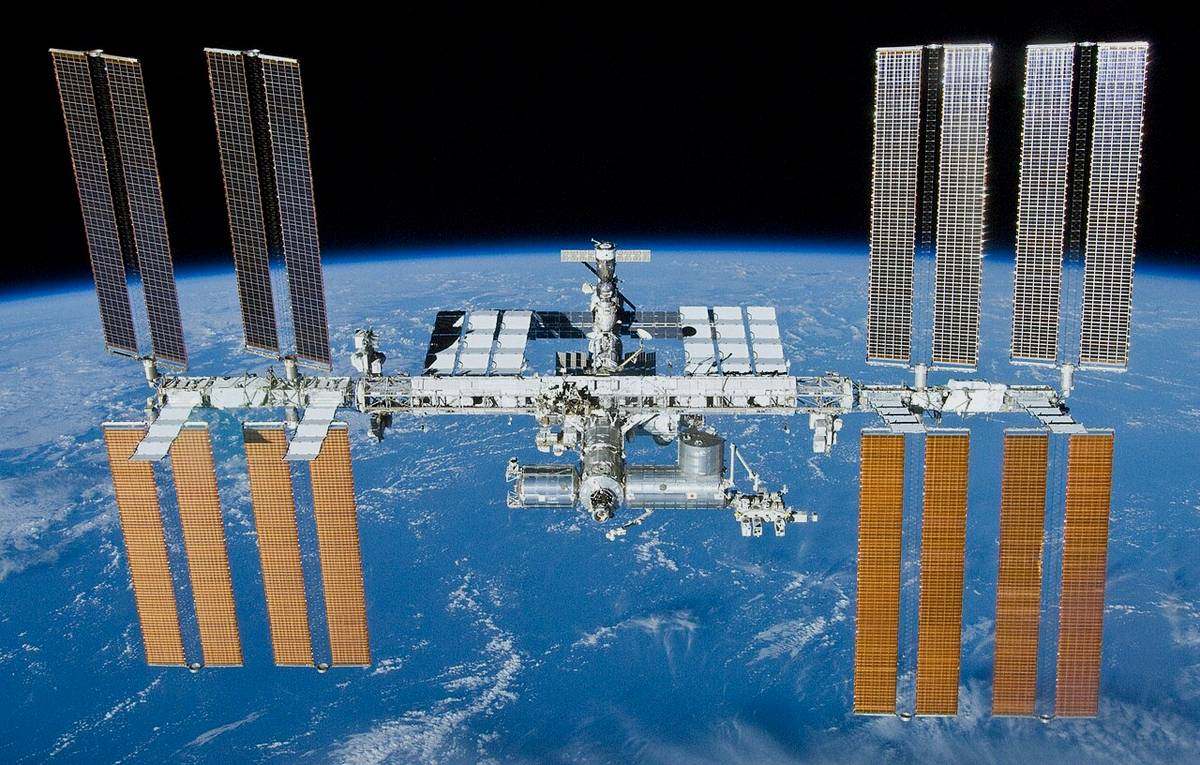
Secondary, labeled: Space.com reports that NASA and its international partners currently plan to retire the ISS in late 2030 or early 2031, while the U.S. Congress has pushed to extend operations through 2032. That is framing colour around the same decade. It is not a substitute for the contract's own performance period.
Also secondary, and hedged: Space.com cites Ars Technica on SpaceX plans to retire Crew Dragon around 2030 and hand crew-carrying duties to Starship. That is a succession rumour chain sitting on top of a firm CCtCap modification that pays for Dragon missions through Crew-17 with performance through 2030. Don't collapse those into one claim. Friday's paper buys Dragon flights. It does not certify Starship for ISS crew rotations. If a later primary changes that, write that story then.
SpaceNews's Jeff Foust filed on 18 September 2026 under the hed that NASA adds three ISS missions to the SpaceX Crew Dragon contract. The full body sits behind a registration wall. Headline and dateline verified; deeper SpaceNews-only claims are not used here. Same rule for Aviation Week: noted, not mined for figures.
Aviation Week also filed 18 September 2026 (Mark Carreau) on the extension. Paywalled. Not used for numbers.
What the sole-source line does and does not mean
NASA says the award follows a May notice of intent to buy the additional missions, and that the current sole-source modification does not preclude future modifications for more transportation services.
Read that twice. Sole source for these three. Not a forever exclusive on every future seat to low Earth orbit. The agency is telling you it can come back to the contract structure again if it needs more flights. It is also telling you this particular modification is how it is buying Crew-15 through 17 after signalling that intent in May.
That is procurement English, not a vibe. The SAM.gov notice describes a sole-source modification to provide three additional post-certification missions and related mission services — an integrated Crew Transportation System to carry NASA crew to and from the station — and prints the new contract total at $5,919,831,297.
How to hear "seventeen missions" without getting lost
Seventeen is the CCtCap mission total for SpaceX after this change, per NASA. It is not a claim that seventeen Crew Dragons are on the pad tonight. It is not a claim about cargo-only Dragons outside CCtCap crew rotations. It is the running count of crew transportation missions under this contract family once Crew-15, 16, and 17 are added.
Crew-12 being docked now is one point on that line. The modification's named add-ons start at Crew-15. The secondary early-October Crew-13 note fills a near-term gap in public scheduling talk. If you need the exact remaining sequence of already-ordered flights between Crew-12 and Crew-15, open NASA's commercial crew mission pages — Friday's primary award notice names the three new ones and the new total, not a full annotated roster of every prior flight.
Useful office link from the NASA release: the Commercial Crew Program page at nasa.gov/exploration/commercial/crew. Page editor on the award note: Joshua A. Finch. Last updated 18 September 2026, with an update note that mission readiness dates were added.
Cargo and crew on the same ticket
NASA's release is careful to say Dragon and Falcon 9 transport up to four astronauts along with critical cargo. The modification's service list repeats cargo transportation for each mission as its own included item. That is worth hearing as a separate beat from "seats."
A crew rotation that arrives without the right spare parts, science hardware, or crew-support cargo is a half-finished logistics run. Commercial crew was never only about putting people in a window. It is also about keeping the station's supply of people and the cargo those people need on a predictable industrial schedule. Friday's $946 million buys both pieces for Crew-15 through 17 under the same modification.
Lifeboat duty is the third beat in that list. While Dragon is docked, it is not a museum piece bolted to a port. It is a return vehicle held ready. If you've ever wondered why docked crew vehicles stay attached for months, that line in the contract is part of the answer. The station needs a way home that does not wait for a new launch from Florida.
Firm fixed-price, said without the acronym fog
Firm fixed-price means the government and the contractor agree on a price for the defined work. The contractor bears cost risk inside that envelope. Indefinite-delivery / indefinite-quantity — IDIQ — means the contract vehicle can issue orders for quantities of services within agreed limits without negotiating a brand-new prime contract every time NASA wants another rotation.
Put together: NASA is not inventing a new commercial crew program on Friday. It is using the existing CCtCap vehicle to order three more post-certification missions and the related services, at a locked modification value of $946 million, under a performance period that runs through 2030.
That structure is why the May notice of intent matters. Agencies signal large sole-source buys before they land. Friday is the landing. The notice was the telegraph.
Two partners was the point of the 2014 bet
When NASA awarded CCtCap to Boeing and SpaceX in 2014, the point was not to pick a single national champion and hope. The point was two unique systems, separately certified, so station access would not depend on one factory, one capsule design, or one anomaly investigation.
SpaceX got to operational crew flights first. Certification in November 2020 turned Demo-era proof into a product NASA could buy on a rotation cadence. Boeing's path has been slower. Secondary reporting covers that gap in detail. Friday's primary text still speaks in the dual-partner grammar: maintain access with two unique commercial crew industry partners.
You can hold both truths without forcing a fight scene. SpaceX is getting three more paid missions. NASA is still describing the architecture as two-provider. Whether Starliner's next certification steps close the gap is a different primary, on a different day.
What "post-certification mission" means when you strip the label
SAM.gov calls these three additional post-certification missions. That phrase is doing real work. Before certification, flights are tests. After certification, flights are the operational service NASA buys to staff the station.
Crew-12, docked now, sits in that operational lane. Crew-15, 16, and 17 are more of the same lane, prepaid under Friday's modification. The certification gate in November 2020 is the hinge between "can this stack fly people" and "will NASA keep ordering it." Friday is an ordering day.
That is also why the video on this package is a real Crew Dragon launch broadcast — Crew-10 — because the hardware story is the vehicle flying. The contract story is why more of those flights are funded through Crew-17. One is the tape. The other is the reason the tape keeps happening on NASA's dime.
The order that matters
One. On 18 September 2026, NASA modified the SpaceX CCtCap contract to buy three more ISS crew missions: Crew-15, Crew-16, and Crew-17.
Two. Price for the three plus related services: $946 million. Firm fixed-price IDIQ modification.
Three. Included services: ground, launch, in-orbit, return and recovery, cargo per mission, lifeboat while docked.
Four. Period of performance through 2030, with mission readiness dates in 2027 and 2028.
Five. SpaceX CCtCap mission total after the change: 17. Total CCtCap value with SpaceX: $5.92 billion ($5,919,831,297 on SAM.gov).
Six. Follows a May notice of intent. Sole source for this mod; future mods still allowed.
Seven. 2014 CCtCap awards went to Boeing and SpaceX. NASA certifies systems before astronaut flights. SpaceX certified November 2020.
Eight. Crew-12 is in orbit docked to the station now — NASA primary. Dragon and Falcon 9 carry up to four astronauts plus critical cargo.
Nine. Secondary only: Crew-13 expected early October (Space.com); Starliner certification still pending after the 2024 crewed test and 2025 Dragon return of Williams and Wilmore (Space.com); ISS retirement talk late 2030/early 2031 with a congressional push through 2032 (Space.com); Dragon retirement ~2030 / Starship succession via Ars Technica as cited by Space.com — hedged.
Ten. Official video on this package: NASA's SpaceX Crew-10 launch broadcast — youtubeId yf8uN4VGCCs. Relevant official tape for Crew Dragon / ISS commercial crew.
What this paper is not claiming
Not claiming NASA is ending the two-partner model. Friday's quote says the opposite.
Not claiming Starliner is certified for operational missions. Secondary reporting says it is not yet. Primary Friday release does not certify it.
Not claiming the ISS is definitely retiring on a single day in 2030. Primary here is the contract performance period through 2030. Retirement planning dates stay secondary and hedged.
Not claiming Crew Dragon is retired, or that Starship has taken its ISS crew job. That succession talk is secondary and hedged.
Not claiming Aviation Week or the full SpaceNews body as verified primary for contract figures. Money and mission counts come from NASA and SAM.gov.
Not inventing readiness-day calendars beyond NASA's "mission readiness dates in 2027 and 2028" line.
Not inventing a different video ID. The locked tape is the Crew-10 official NASA broadcast.
Primary sources
NASA — NASA Awards SpaceX Three Crew Flights to Space Station (18 Sep 2026; updated to add mission readiness dates).
SAM.gov award notice NOI-KSC-CCP-2026 — Contract NNK14MA74C; Task/Delivery NNK17MA01T; Space Exploration Technologies Corp.; Base and All Options Value $5,919,831,297; award date 18 Sep 2026; Kennedy Space Center; published 18 Sep 2026 10:52 AM EST. Description: sole-source modification for three additional post-certification missions and related mission services; new contract total $5,919,831,297.
Commercial Crew Program: nasa.gov/exploration/commercial/crew.
Secondary, labeled, for near-term flight colour and partner/retirement framing only: Space.com — Mike Wall, 19 Sep 2026.
Secondary headline verified, body not fully retrieved: SpaceNews — Jeff Foust, 18 Sep 2026.
Aviation Week 18 Sep 2026 (Mark Carreau) noted as paywalled — not used for figures.
Official video locked on this package: NASA SpaceX Crew-10 Launch (Official NASA Broadcast) — youtubeId yf8uN4VGCCs.
Why commercial crew keeps showing up as contract math
After the shuttle, NASA needed a way to put crews on the station without owning every factory and pad the old way. CCtCap was the answer shaped in 2014: pay two companies to build certified systems, then buy missions. One provider flying a lot of successful rotations does not erase the "two unique partners" line in Friday's quote. Redundancy was part of the original design. Buying three more SpaceX flights is how you keep seats available while that design is still the agency's written posture.
Contract modifications look dull next to launch day. They are how the dull part funds the loud part. $946 million is the loud number on Friday. The quieter sentence is the service list: ground through recovery, cargo, lifeboat. Without those, a "crew flight" is just a countdown video. With them, it is a logistics product NASA can schedule against station needs.
Seventeen missions under CCtCap is also a way of counting trust after certification. Demo-era flights prove a system can work. Post-certification rotations are the industrial product. NASA is ordering more of the industrial product through Crew-17, with the performance window drawn through 2030 and readiness called out for 2027 and 2028.
Reading the SAM.gov line without drowning
If you open the award notice, you'll see office names, NAICS codes, and product service codes that look like alphabet soup. The operational extract is short.
Who: Space Exploration Technologies Corp., Hawthorne, California.
What: three additional post-certification missions and related mission services — integrated crew transportation to and from the ISS.
How bought: sole-source modification on the existing CCtCap contract vehicle.
New total: $5,919,831,297.
Where: Kennedy Space Center contracting.
When: awarded and published 18 September 2026.
Match that to NASA's $946 million modification value and $5.92 billion rounded total, and the two public files agree. Use NASA for the mission names, service list, readiness years, and partner quote. Use SAM.gov when you need the exact all-options dollar string and the notice ID.
How this fits the decade without writing science fiction
Through 2030 is both a contract sentence and a calendar pressure. The station's later life, commercial destination plans after the ISS, and whatever comes after Crew Dragon are real conversations in the industry press. They are not what Friday's modification text decides.
Friday decides Crew-15, Crew-16, and Crew-17 on the SpaceX CCtCap line, with the service stack from ground to lifeboat, at $946 million, readiness in 2027 and 2028, performance through 2030, total missions 17, total value $5.92 billion. If you catch yourself sliding into Starship timelines or station-retirement debates mid-paragraph, step back to those lines. They are the award.
Secondary outlets are useful for the near-term flight clock and for reminding readers that Boeing is still in the picture. They are not a second ledger for the dollar figures. When Space.com rounds to $5.92 billion, it is tracking NASA. When SAM.gov prints $5,919,831,297, it is the same total with more precision. Prefer the primary when the two are in the same neighbourhood.
What to carry
Friday's paper is a buy, not a launch. Three more Crew Dragon rotations for the station. Nine hundred forty-six million dollars. Seventeen missions on the SpaceX CCtCap tally. Five point nine two billion dollars total on that contract line. Performance through 2030. Readiness called for 2027 and 2028. Crew-12 already docked. Two-partner language still on the page. Secondary colour on Starliner, station retirement, and Dragon succession stays labeled and hedged.
That is the story from Friday's award — a buy timed to keep crew transportation available through the back half of the decade, not a rewrite of the commercial crew architecture itself. Author: Liora Hale, space. Primary URLs above. youtubeId yf8uN4VGCCs.

The paper
Comments
No notes on this story yet.
Sign in to comment