
The European Space Agency has taken its first formal step towards a space station of its own. ESA said on 29 September that it has hired two European industrial teams, one led by Airbus Defence and Space and one by OHB, to study whether Europe could build and run a crewed "orbital outpost" in low Earth orbit after the International Space Station.
These are early feasibility studies, not a decision to build. But they put European industry to work on a real design question for life after the ISS, and they'll feed into choices ESA's member states will have to make.
What ESA has actually ordered
The two studies run side by side. Both lead companies are German, and ESA says the two groups take in six more industrial and institutional partners between them. The agency didn't name those partners or say what the contracts are worth.
ESA calls the work Pre-Phase A. That's the earliest stage in its mission planning, when engineers work out whether an idea can be done at all. The studies began in June 2026 under ESA's European Exploration Envelope Programme and will run for about nine months, which puts results around March 2027.
According to ESA, the teams will assess the technical and programmatic feasibility of developing and running an outpost that can support human spaceflight, scientific research and technology development. They'll look at possible designs for the station itself, the transport needed to reach it and the services needed to run it. They'll also pin down the technologies, industrial capabilities and partnerships the project would need.
ESA says the idea builds on Europe's long-standing part in the Space Station programme and aims to prepare the next generation of European human space exploration capabilities. Put simply, the agency wants to know what it'd take, in hardware, money and partners, before anyone's asked to commit.
One option among several
ESA's careful to say this isn't the only path it's looking at. The European-led outpost is one of several options its Directorate of Human and Robotic Exploration is exploring for Europe's future in low Earth orbit. The main alternative is working with future commercial orbital destinations, the privately run stations now being built to follow the ISS.
ESA also says the outpost idea stays open to working with international institutional and commercial partners. So even a European-led station wouldn't have to be a Europe-only one.
Daniel Neuenschwander, ESA's Director of Human and Robotic Exploration, said: "Europe has built world-class capabilities in human spaceflight through decades of international cooperation. We are now facing the opportunity to shape our collective future while safeguarding the excellency of our engineers and industry."
He went on: "In this regard, we are exploring different options to ensure Europe's continued presence and role in low Earth orbit. These studies will help us assess how European industry could take a key role in developing the next generation of orbital infrastructure, building on our industrial strengths and opening new opportunities for international cooperation."
Why the clock matters
The backdrop is the ISS's planned retirement. NASA's transition plan has the station retiring around the end of 2030 and being brought down in a controlled deorbit. Europe has been a partner on the station for its whole working life, so it needs a plan for what comes next.
Europe's got an astronaut up there right now. ESA's Sophie Adenot is part of the Expedition 75 crew, which NASA says grew on 1 October when the four Crew-13 members came aboard. In early September she and NASA's Jessica Meir finished a 6-hour, 49-minute spacewalk outside the station.
Other space agencies are asking the same question. At the International Space Summit in Paris on 9 and 10 September, ISRO's chairman, V. Narayanan, gave the keynote on the future of human spaceflight in low Earth orbit, and it led into a panel on exploration after the ISS, according to ISRO. On the sidelines, ESA and ISRO extended their cooperation agreement to January 2032 and added human and robotic exploration to what it covers.
What Europe brings to the table
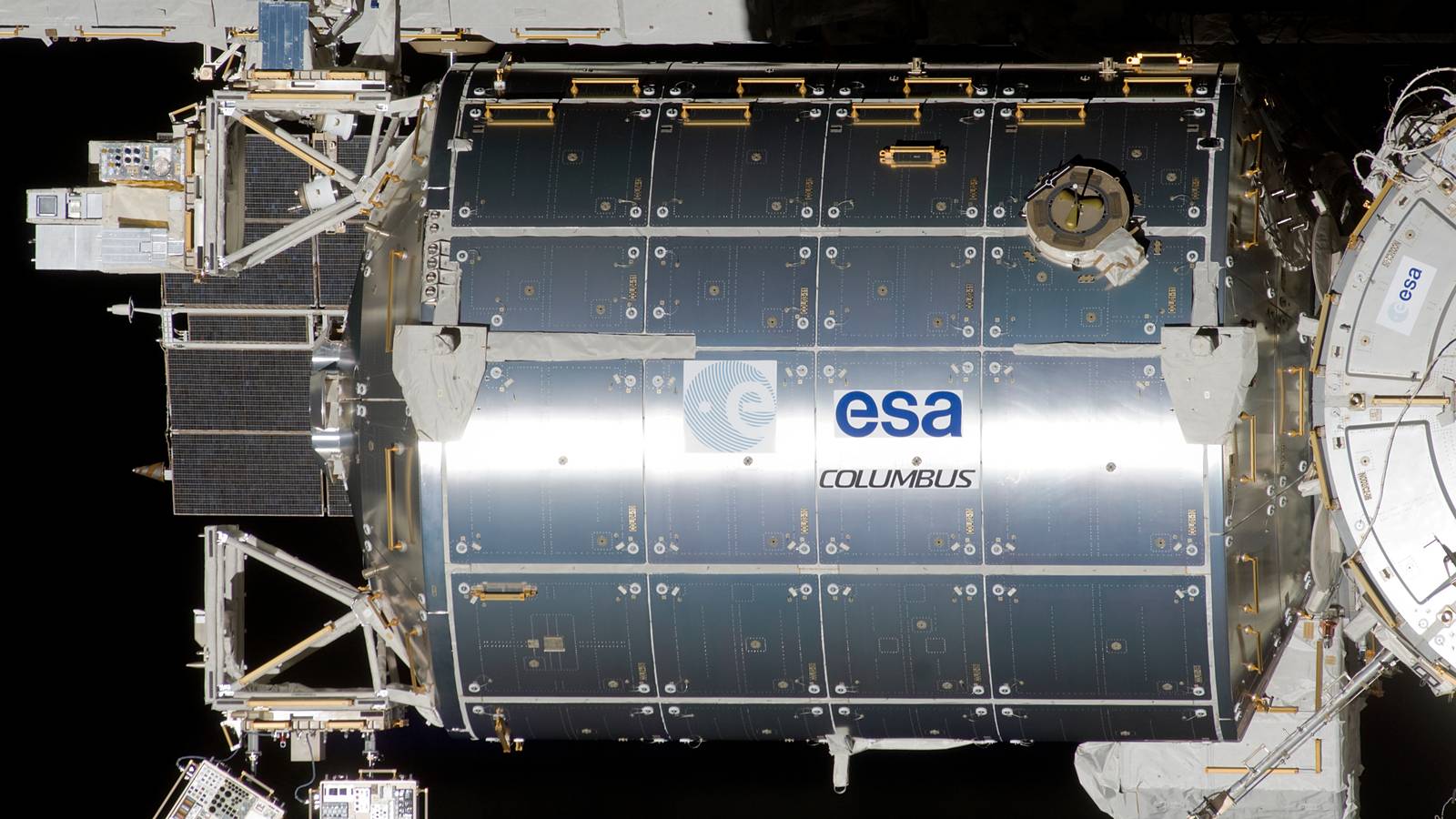
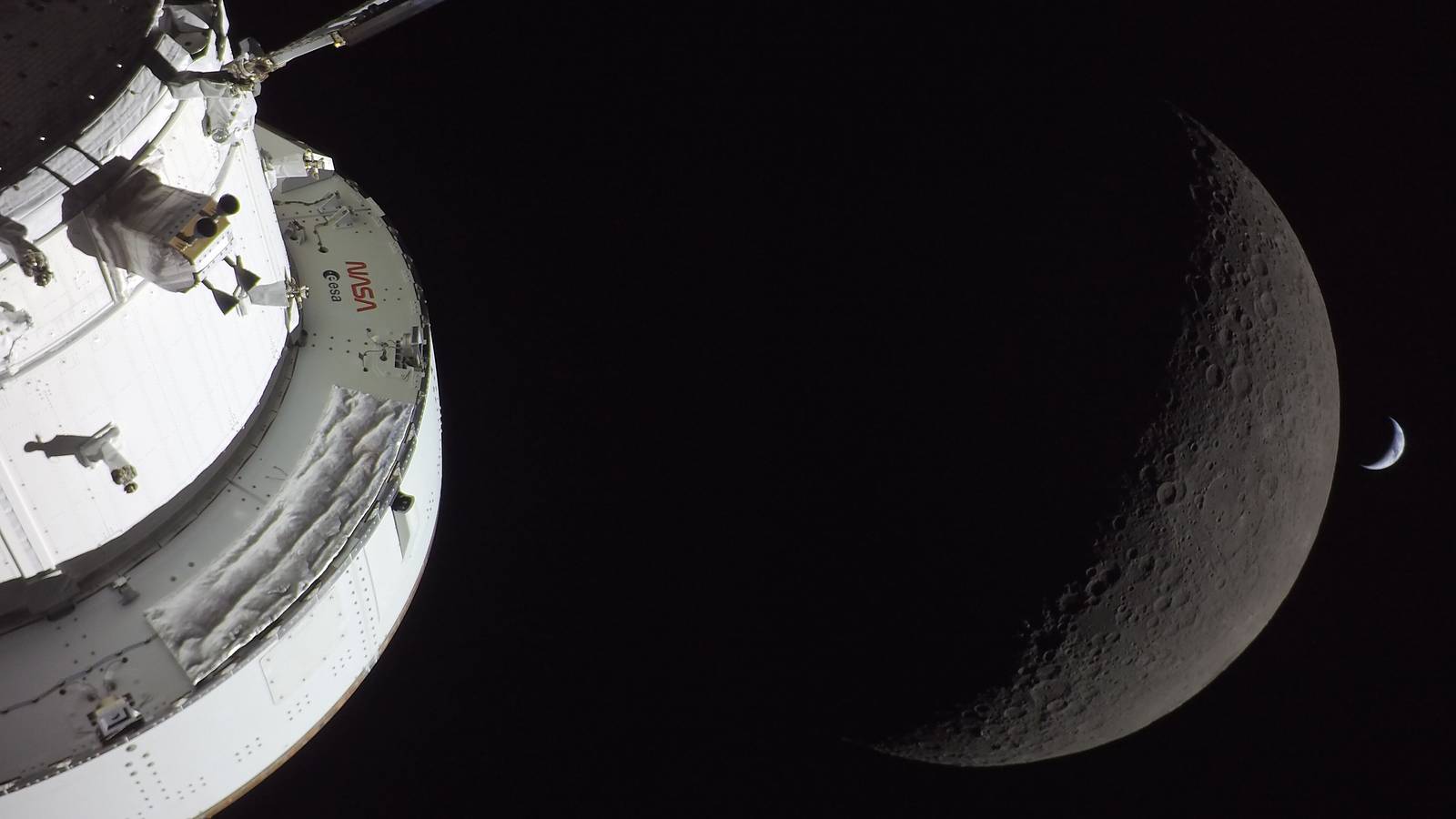
ESA's pitch rests on hardware Europe has already flown. Its release points to two examples. The first is the Columbus laboratory, Europe's science module on the ISS, which has been attached to the station since 2008. The second is the European Service Module, which ESA describes as the part of NASA's Orion spacecraft "which powers astronauts back to the Moon". A European Service Module flew on Artemis II, the crewed lunar flyby in April.
The agency also says industry in its member states is building new skills in orbital transport, habitation, life support, robotics and in-orbit servicing. That's the base the two studies are meant to build on. Europe's launch sector has had some good news this year too, with Isar Aerospace's second Spectrum rocket reaching orbit from Andøya in Norway.
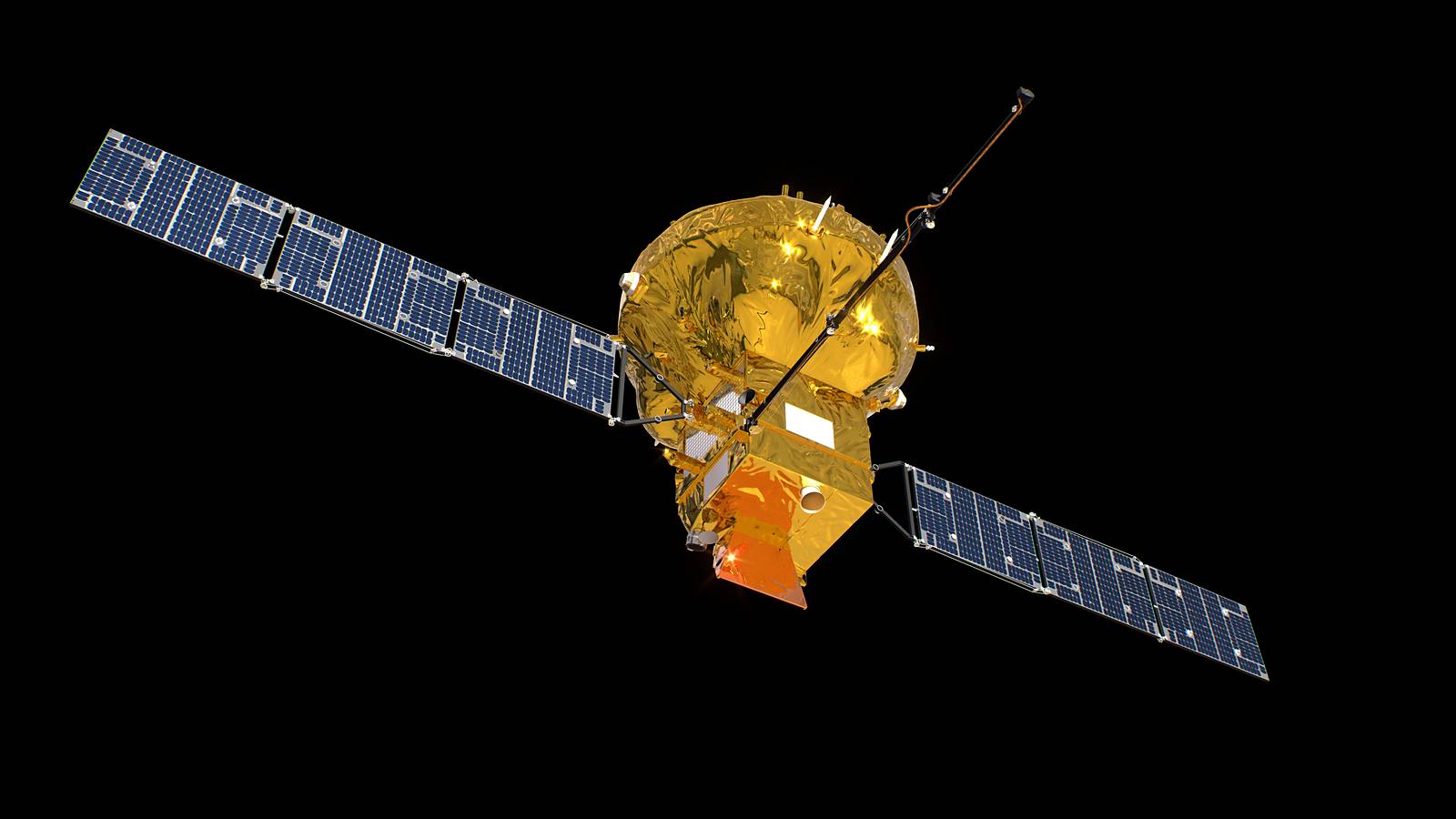
Airbus and OHB both know this ground well. Airbus's Spanish arm built the payload module for the European-Chinese Smile science mission, which ESA cleared to start science work on 23 September. OHB has long built satellites for ESA and the European Union.
What happens next
ESA says a European-led station would give Europe "a greater role in the development and operation of LEO Exploration assets". It'd also help build skills that matter for missions beyond low Earth orbit, such as to the Moon.
ESA also pitches the work as a way to protect know-how Europe has spent decades building. Neuenschwander's phrase was "safeguarding the excellency of our engineers and industry", and the release ties the outpost to keeping that human spaceflight expertise in Europe once the ISS is gone.
None of that is locked in. ESA describes the studies as preparing "potential future programmatic decisions by the ESA Member States". In practice, the governments that fund ESA will weigh the results, alongside the commercial-station option, before any money goes into building hardware.
For now, the useful news is that the work has started and it's got a timetable. The two teams have until roughly the end of their nine-month window to show what a European station could look like, how crews and cargo would get there, and who Europe might build it with. Those answers will shape whether the next European astronauts in orbit fly to a station Europe leads, or to one where it rents space.

The paper
Comments
No notes on this story yet.
Sign in to comment