
Tesla has signed three new credit deals worth US$30 billion, according to an 8-K filing with the US Securities and Exchange Commission dated Tuesday 29 September. There's a US$20 billion delayed-draw term loan run by Citibank. Then there are two revolving lines run by Wells Fargo, one for US$8 billion over five years and one for US$2 billion over 364 days.
It's a big number, but Tesla hasn't borrowed a cent of it. The filing says no loans were outstanding as of 29 September, and it signs off with a plain line: "Tesla does not currently plan to draw on the facilities in 2026."
What Tesla actually signed
The term loan is the biggest piece. It's a three-year, senior unsecured loan, and Tesla can draw on it up to ten times in the 18 months after closing. It's also built to shrink if Tesla doesn't use it. Undrawn commitments drop to US$10 billion on the first anniversary, then to US$5 billion at 15 months, and whatever's still undrawn at 18 months simply ends. Any loans Tesla does take come due on 29 September 2029.
The two revolving lines work more like a company credit card. Tesla can borrow, pay it back and borrow again. The five-year line can be drawn in US dollars, pounds sterling or euros, and it can carry up to US$500 million in letters of credit. It runs to 29 September 2031, and Tesla can ask for two one-year extensions. The 364-day line is US dollars only. It comes due on 28 September 2027, with an option to push repayment out another year.
Tesla can also ask lenders to add up to US$4 billion more across the two revolvers. That would take them to US$14 billion combined. There are conditions attached, though, and the filing doesn't say anyone's agreed to it yet.
All three deals are senior and unsecured, so Tesla hasn't put up any assets against them. Interest on US dollar borrowing floats on Term SOFR or an alternate base rate, plus a margin that depends on Tesla's credit rating. Sterling and euro borrowing would float on SONIA and EURIBOR. In the meantime Tesla pays a fee on the money it isn't using, so the lines aren't free to hold. And the agreements make Tesla keep at least US$5 billion in consolidated liquidity.
It replaces a smaller line
The new package swaps out an old one. Tesla ended a US$5 billion revolving credit agreement with Citi, the filing says. That line dated from 20 January 2023 and was meant to run until January 2028. Tesla says it had nothing borrowed under it and paid no penalty for ending it early.
So in one day, Tesla went from a US$5 billion standby line to US$30 billion of committed credit. Reuters reported that some of the same banks are in both deals. The filing backs that up. It says some lenders under the old agreement, or their affiliates, are lenders under the new ones.
The money can go to "general corporate purposes or for any other purpose not otherwise prohibited", the filing says. It doesn't tie the cash to any one project. Tesla says the full agreements will be filed with its quarterly report for the three months to 30 September.
Why Tesla wants the room
Tesla's spending a lot more than it used to. Reuters reported that earlier this year Tesla forecast more than US$25 billion of capital spending for 2026, after spending US$8.53 billion in 2025. Yahoo Finance went through Tesla's filings and put first-half 2026 capital spending at US$8.28 billion. That's more than double the US$3.89 billion Tesla spent in the same stretch a year earlier.
Reuters said much of that money is going into AI computing, solar cell manufacturing and a chip-making project with SpaceX. Investor's Business Daily reported that the lines are meant to back spending on products like Optimus and the Cybercab, plus the solar factory and the Terafab chip plant.
Elon Musk talked up the solar plan the same day the deals were signed. "SpaceX is aiming together with Tesla to do 200 gigawatts of solar production per year," he said at an event in Washington on Tuesday, Reuters reported.
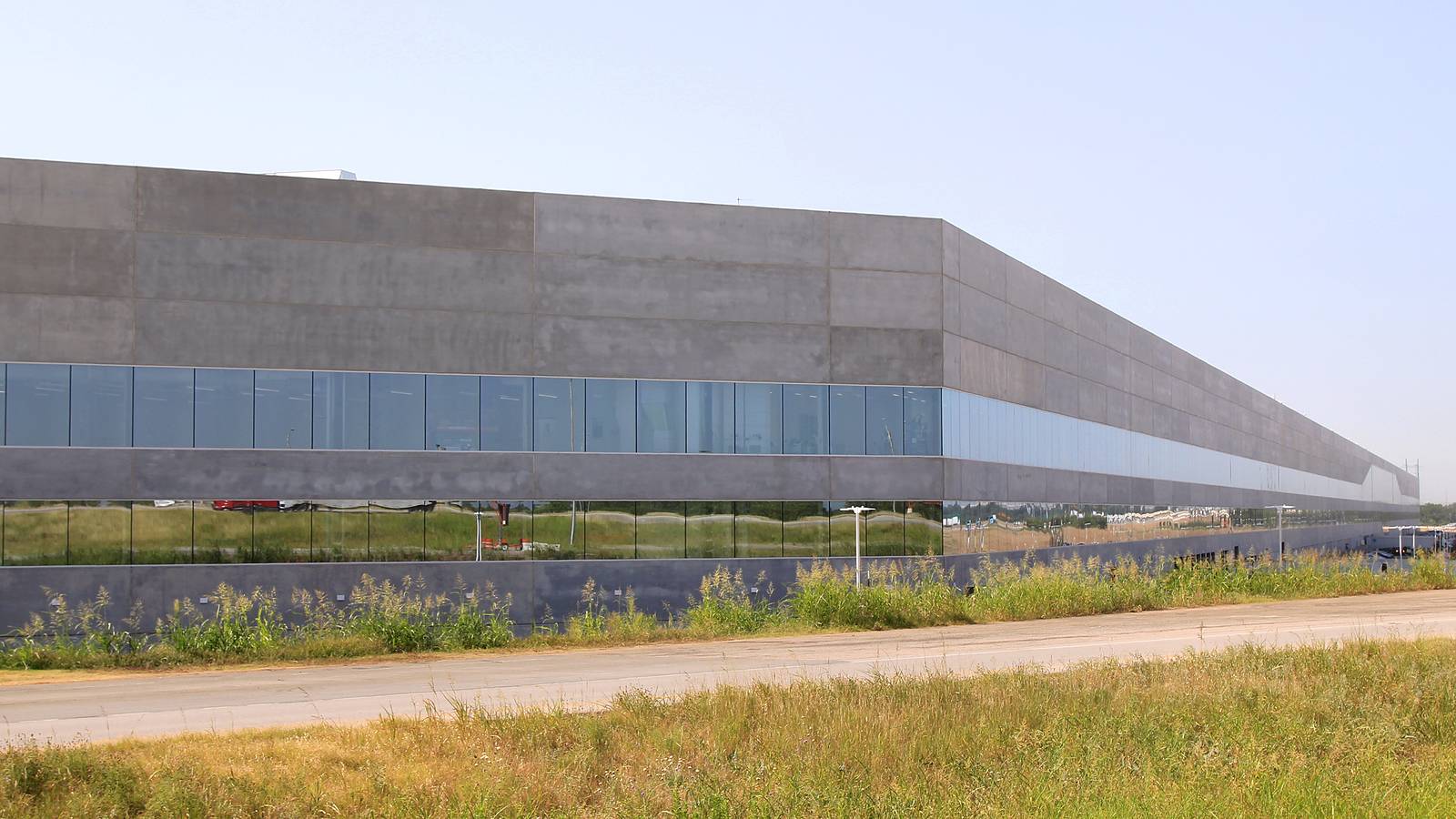
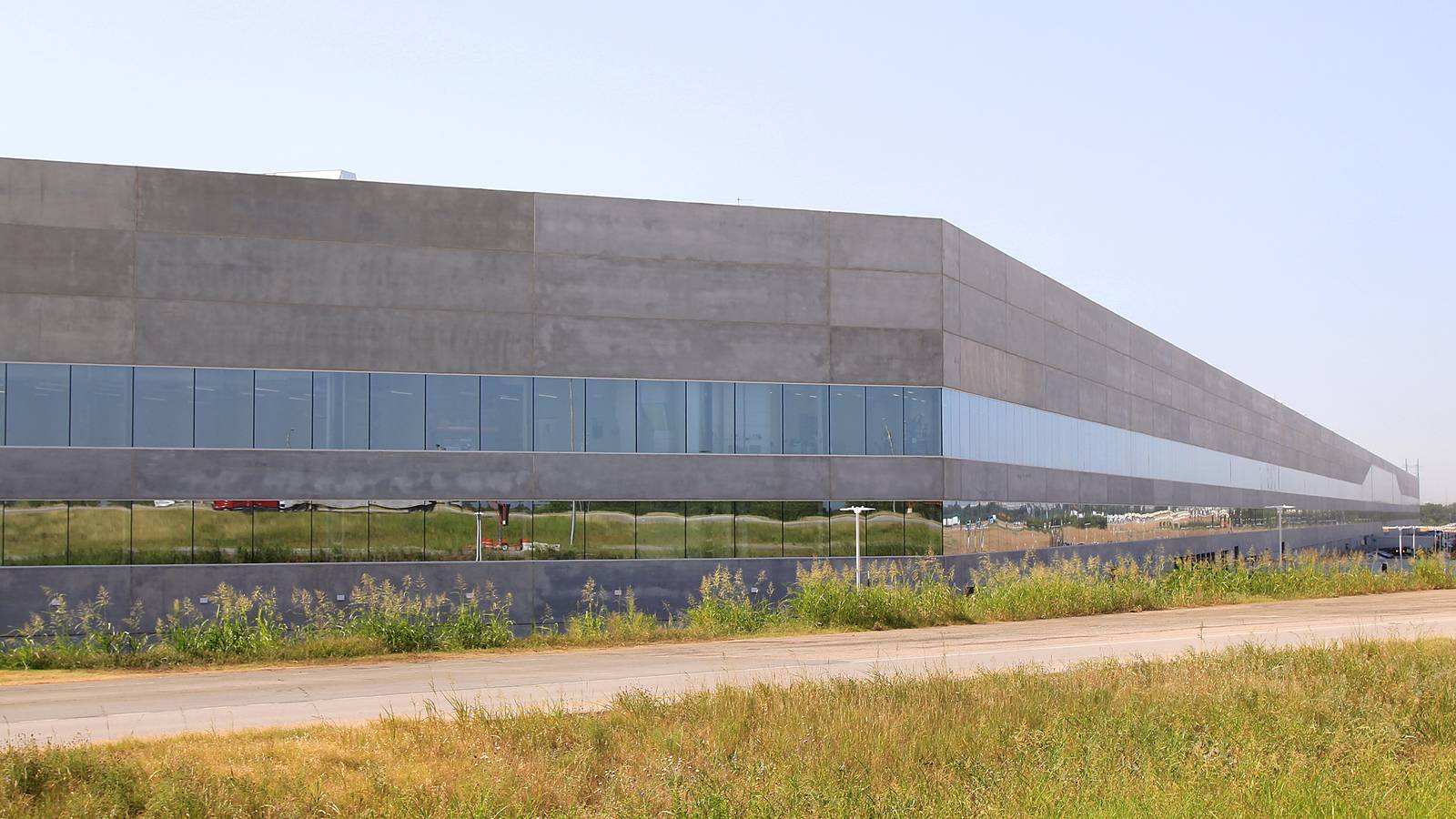
The hardware's already moving. Tesla started building Gen 3 Optimus robots on Fremont's old Model S and X floor, as we reported in September. Megapack 3 production started at Brookshire, Texas, in August, as we covered. And the Semi went into high-volume production at its new plant in Sparks, Nevada, last week, as we reported.
What it means for the balance sheet
Credit you've lined up but don't use is mostly insurance. It means Tesla can pay for a big project, or get through a bad quarter, without having to raise money in a rush or on bad terms. The way the term loan shrinks also puts a clock on it. If Tesla doesn't need the money within 18 months, most of it just goes away.
Analysts do think Tesla's cash flow is in for a squeeze. Reuters reported that analysts expect negative free cash flow of US$9.78 billion. That estimate comes from LSEG data. It's not a Tesla figure, and Tesla doesn't give its own free cash flow forecast in the filing.
Tesla stock dipped about 1% on Wednesday morning in New York, Investor's Business Daily reported.
There's a link, too, between what the money costs and Tesla's credit standing. The margins and fees move with the rating on Tesla's senior unsecured debt. A better rating would make any future borrowing cheaper, and a worse one would make it dearer. The filing doesn't name the current rating or the margins, so there's no way yet to say what a draw would actually cost.
The liquidity floor's worth a look as well. Keeping at least US$5 billion on hand is a low bar for a company Tesla's size, but it's a hard condition in all three agreements. Breaking a covenant like that is usually treated as an event of default. And the filing says that after an event of default, lenders can end their commitments and demand the money back straight away.
What comes next
Tesla was due to report third-quarter production and deliveries on Friday 2 October US time, with full quarterly results expected later in October. The 10-Q for the quarter is where the full credit agreements will show up, including the lender lists and the exact margins.
For now, the filing is the whole story. Tesla's got US$30 billion lined up from two of the biggest US banks. It hasn't paid anything back because it hasn't borrowed anything, and it says it doesn't expect to touch the money this year.
The paper
Comments
No notes on this story yet.
Sign in to comment