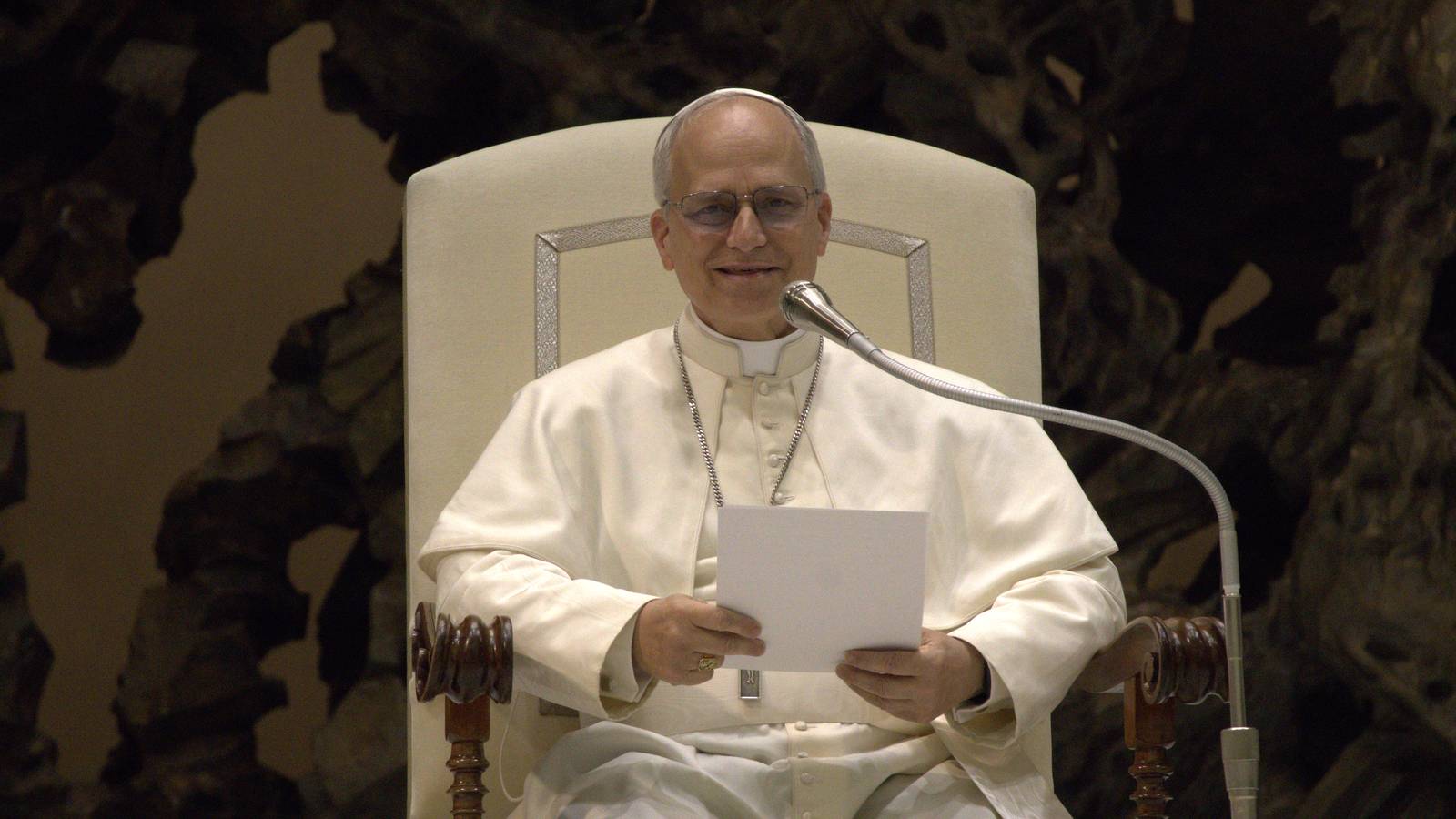
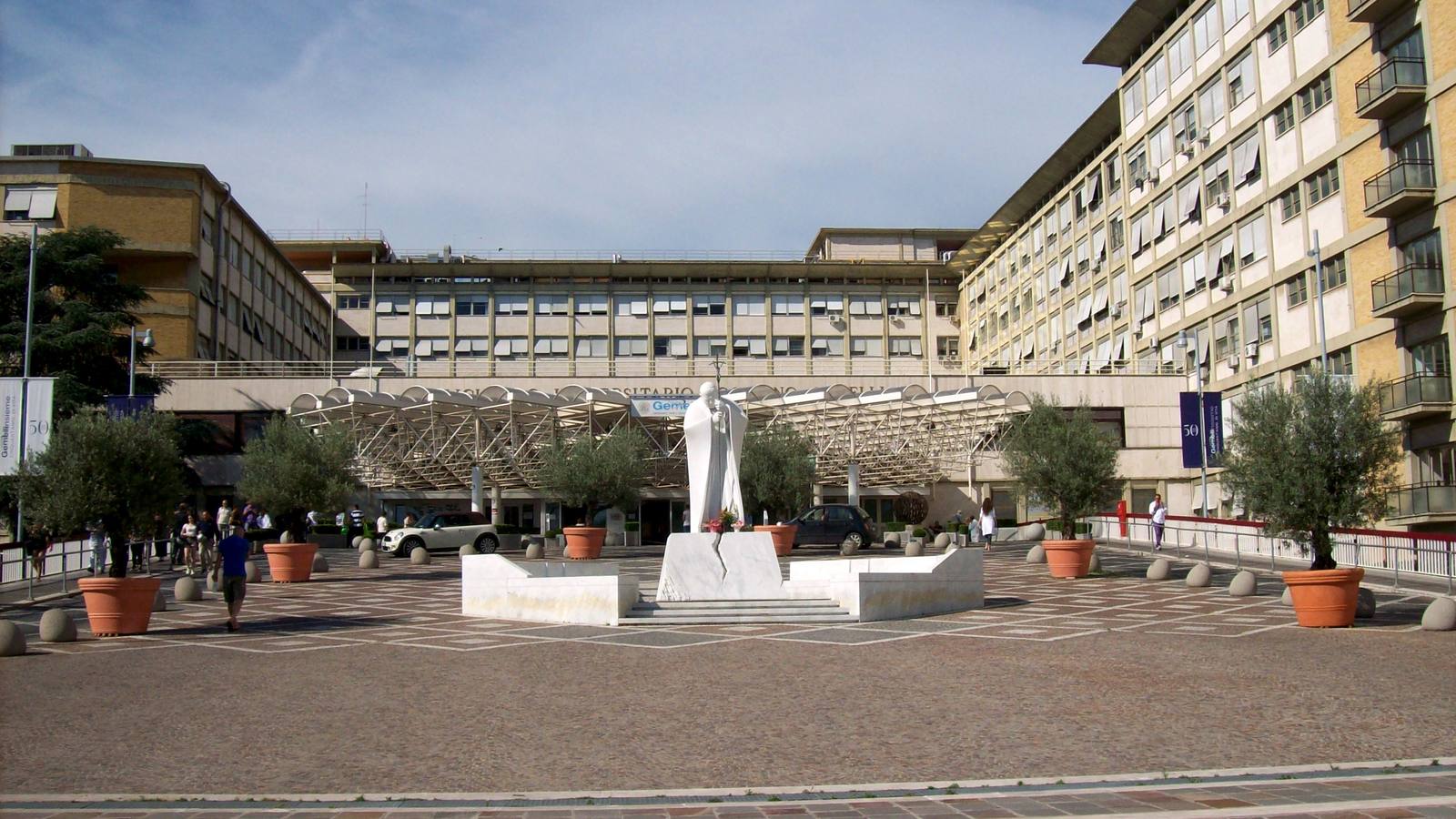
Pope Leo XIV walked out of Rome's Agostino Gemelli hospital on Saturday afternoon, four days after surgeons removed the lower lobe of his right lung to take out a cancerous tumour. "I am much better, thank you," he told reporters as he left. His surgeon says there's no medical reason he can't make next month's long trip to South America. And on Sunday he's due back at the window over St Peter's Square.
He told the crowd himself
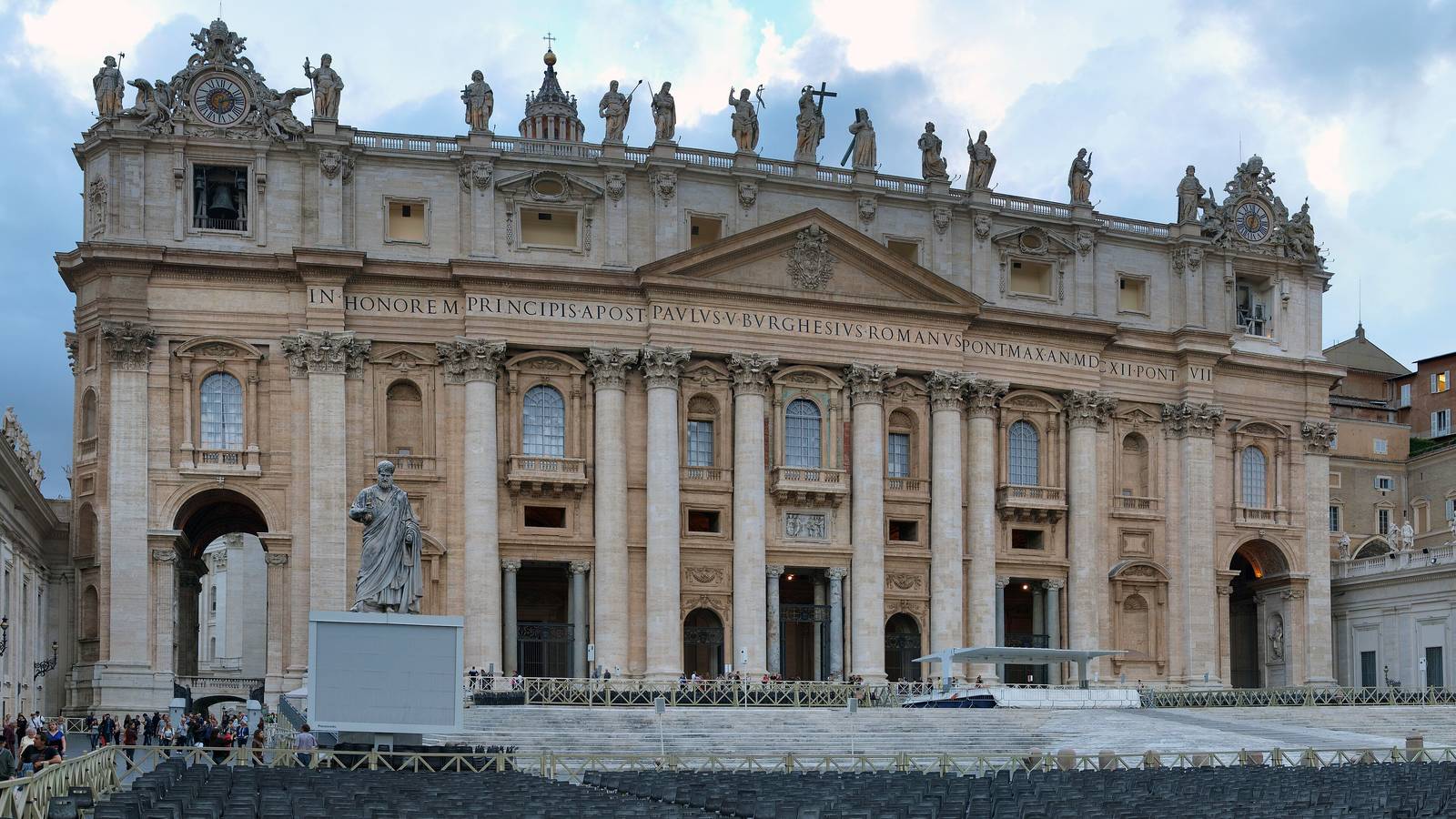
It started in public, which is rare for news about a pope's health. At the Angelus on Sunday 11 October, Leo told the crowd in St Peter's Square that doctors had found a small nodule on his lung.
"Dear friends, during some recent medical examinations, the doctors found a small, localized nodule in my lung," he said, as Vatican News reported. "It was detected at a very early stage and is well-localized. The doctors believe that it is best to intervene, so, following their advice, I have decided to undergo surgery to remove it. The operation is already scheduled to take place in the coming days. I thank you for your spiritual closeness and entrust myself to your prayers. Thank you, and happy Sunday!"
Matteo Bruni, who runs the Holy See Press Office, told journalists the same day that the operation would happen early that week and that recovery would take about one week. Leo beat that by several days.
We covered the announcement here: Pope Leo will have surgery to remove a lung nodule.
Tuesday's operation
On Tuesday afternoon, 13 October, Leo had chest surgery at Gemelli as planned. His doctors, Dr Luigi Carbone and Professor Stefano Margaritora, put out a statement through the Press Office that Vatican News printed that day.
"To ensure a radical resection, the lower lobe of the right lung was removed using a video-assisted technique," the doctors said. Tissue tested during the operation confirmed what earlier scans had suggested. "An intraoperative histological examination confirmed the diagnosis of lung adenocarcinoma, as suspected from the preoperative examinations," they said.
Adenocarcinoma is the most common kind of lung cancer. The Guardian reported that doctors are still waiting on test results to find out whether the cancer has spread and whether he'll need more treatment.
Leo was in the operating room for about three hours, and the operation itself took about 90 minutes. The doctors said it went well, with no complications. He woke up normally, was watched for a short time, and went back to his room on the hospital's 10th floor.
Margaritora led the surgical team, with Professor Elisa Meacci, Dr Maria Teresa Congedo and Dr Leonardo Petracca Ciavarella. Professor Massimo Antonelli, Dr Giovanni Punzo and Dr Giuseppe Bello handled the anaesthetic.
Bruni added one human detail that evening. After the operation, Leo asked for dinner and spent the evening with his secretaries and other Vatican staff. Our report from that day is Pope Leo's lung surgery succeeds, lower lobe removed.
A steady recovery
By Wednesday, doctors said his recovery was going normally. Our update is Pope Leo's recovery progressing normally after lung surgery. At that point the Vatican was still talking about a stay of about a week.
On Friday, his fourth day in hospital, Carbone and Margaritora said blood tests and a chest X-ray that morning "confirmed the steady improvement in his overall condition," Vatican News reported. Breathing physio had continued, and his "postoperative recovery allows him to carry out normal daily activities entirely independently."
That day he celebrated Mass at noon in a room set up on the 10th floor and gave out Communion. Some of Gemelli's doctors and nurses came, along with members of the Vatican's own police force, the Gendarmerie.
In his homily, the Press Office said, Leo thanked the doctors, nurses and orderlies "for the work they do every day caring for patients in their frailty, and especially for what they have done and continue to do for him."
On Friday afternoon he also met two cardinals at the hospital: Luis Antonio Tagle, who's Pro-Prefect of the Dicastery for Evangelization and Dean of the College of Cardinals, and Baldo Reina, Vicar General for the Diocese of Rome. Vatican reporters sent him a get-well card, and the Press Office said he thanked journalists for their good wishes, their prayers and their work. It also said Sunday's Angelus "will take place."
A call to Putin from a hospital bed
Leo kept working from Gemelli. On Friday he spoke by phone with Russian President Vladimir Putin, Vatican News reported.
"During the conversation, the Holy Father expressed his deep concern about the grave humanitarian situation in the city of Oleshky, in the Kherson region, and called for a ceasefire to allow the delivery of food and medical assistance, and the voluntary and safe evacuation of the civilian population," the Press Office said. "Finally, the Holy Father reaffirmed the Holy See's commitment to promoting dialogue and peace."
Cardinal Pietro Parolin, the Vatican's Secretary of State, said afterwards that the call was the Pope's idea. "It was the Holy Father who took the initiative to plead the case of this besieged city, where some 2,000 civilians need humanitarian routes through which they can leave," Parolin said. He said he hoped the fact that Putin took the call was a sign the Pope's request would be carried out. Leo had last spoken to Putin by phone on 4 June 2025. Our story on the call is From Gemelli, Pope Leo urges Putin to allow aid into Oleshky.
So a pope, three days out of major lung surgery, used a hospital phone to ask for a ceasefire so food and medicine could get through.
Saturday: fit to go home
On Saturday morning, Carbone and Margaritora said Leo could leave. More blood tests and another chest X-ray that morning showed he was well enough, Vatican News reported.
The Guardian quoted the doctors' statement: "Considering the blood tests, the chest X-ray done this morning, and evaluating the clinical picture, the Holy Father has been deemed fit for discharge."
The Press Office said he'd leave in the early afternoon and lead Sunday's Angelus from the window of the papal apartment. Before leaving, he celebrated Mass on the 10th floor.
Then he thanked Margaritora and the medical and nursing team, and greeted the hospital staff, Professor Elena Beccalli, rector of the Catholic University of the Sacred Heart, and the hospital's leaders, the Press Office said. He walked out unaided, to cheers.
The Associated Press, in a report carried by the National Catholic Reporter, said Leo greeted patients inside with his surgeon, then waved to people outside who called out "Holiness" as he walked to a black SUV. Asked how he was, he said: "I am much better, thank you."
One moment stood out. A 13-year-old Ukrainian girl gave him a homemade papal doll that she said had helped her through her own successful cancer treatment, AP reported. She'd met him briefly at an audience in St Peter's Square last December, and she told reporters that meeting "gave her the strength to overcome the illness."
The Vatican had first expected a week-long stay. Leo, who's 71, went home in four days. His appointments had been cancelled until 20 October, the Guardian said, and Sunday's Angelus puts him back in public a little ahead of that.
What the surgeon said
Margaritora heads chest surgery at Gemelli and teaches at the Catholic University of the Sacred Heart. On Saturday he gave a long interview to Andrea Tornielli of Vatican News, and he was more open than most medical updates out of Rome.
On how Leo was doing when he left: "At the time of his discharge from the hospital, Pope Leo was in entirely satisfactory clinical condition. His blood test results were completely normal, and his heart function was fine. The lung's re-expansion after surgery is proceeding according to the usual timetable. So, overall, his condition is good."
On how the tumour was found: "The discovery of the Pope's malignant lung tumor was entirely accidental, as unfortunately often happens. During routine abdominal examinations, this small spot was found in the chest, at the base of the lung." Scans of the belly often catch the bottom of the lungs, he explained, because the diaphragm is shaped a bit like a parachute. "However, if this small spot had been a little higher up, it certainly would not have been seen."
Leo had no warning signs. "He had no respiratory symptoms and felt perfectly well."
Margaritora used that to make a bigger point. People at risk, he said, should get regular checks for lung cancer, not just for cancers like breast or bowel cancer where screening is common, because early lung cancer often has no symptoms.
He wouldn't dress the operation up. "It would be dishonest of me to say it was very complicated in order to make it sound heroic," he said. With a tumour that size, the whole lobe holding it has to come out. "In the Holy Father's case, that was the lower lobe of the right lung. So, from that standpoint, it was a routine operation." He added: "The operation went ahead without any complications."
On recovery: "Treating him as I would any other patient, I think it takes a couple of weeks to make a truly complete physical recovery after this kind of operation. Since almost a week has already passed, I believe the Pope could be fully recovered in another ten days or so."
And on the trip: "As for a long trip involving air travel in about three weeks, I would say there are no clinical reasons why it should not take place."
A tough trip ahead
Leo's due to visit Uruguay, Peru and Argentina from 6 to 17 November. AP said the trip includes a dozen flights and two helicopter rides to high altitudes.
Peru is personal for him. He spent many years there as a missionary and later served as Bishop of Chiclayo, according to his Vatican News biography. He was elected pope in May 2025, the first US-born leader of the Catholic Church, the Guardian noted.
"An ideal patient"
The warmest parts of the interview were about the man, not the operation.
"Pope Leo was an ideal patient," Margaritora said. "I am not saying that to flatter him." Leo "truly did not cause the slightest problem for the team caring for him, and he would not have done so even if his name had been Mario Bianchi," he said. That's the Italian version of John Smith.
Leo followed every instruction on diet and physio, and did "a little more than we asked of him." Then came the story people will remember. "On the second day after the operation, we turned around and found him arranging the chairs in the chapel himself," Margaritora said. When staff told him they could do it, Leo said: "It doesn't matter. I can do it, so I will."
As Leo came into the operating room, the team stood around him in a half circle. "Holy Father, this is our dream team," Margaritora told him. Leo smiled.
Margaritora also thanked the people who don't usually make the news: the theatre nurses, the lab and radiology staff who came every day for the X-ray, the physios, and the hospital and university leaders who trusted him with the case.
A first for modern popes
Operating on a pope stirred "a deep feeling that I cannot even describe," Margaritora said. Leo is "for the first time" a pope having surgery for a malignant tumour, "at least in modern history." "As far as we know, that has never happened before."
That's why, he said, an operation that's routine for a surgeon "cannot feel routine on a human level." He said he kept telling himself it was an operation he'd done a thousand times, and also the first time he'd done it on a pope.
Gemelli is used to popes. John Paul II stayed there so often that the Vatican and the hospital set up a high-security papal suite, the Guardian noted.
It's also been a rare week of openness from the Vatican. Leo told the crowd himself, his doctors gave regular updates, and his surgeon spoke at length on Vatican News.
What's next
Leo is due to lead the Angelus at noon on Sunday from the Apostolic Palace, which is 8:30pm in Adelaide. That's exactly one week after he first told the crowd about the nodule.
Margaritora expects a full physical recovery in about ten more days. The test results on whether the cancer has spread are still to come, and they'll decide whether he needs more treatment. If his recovery holds, the November trip goes ahead.
If this story helped, you can help keep the paper going: Support the paper.
The paper
Comments
No notes on this story yet.
Sign in to comment