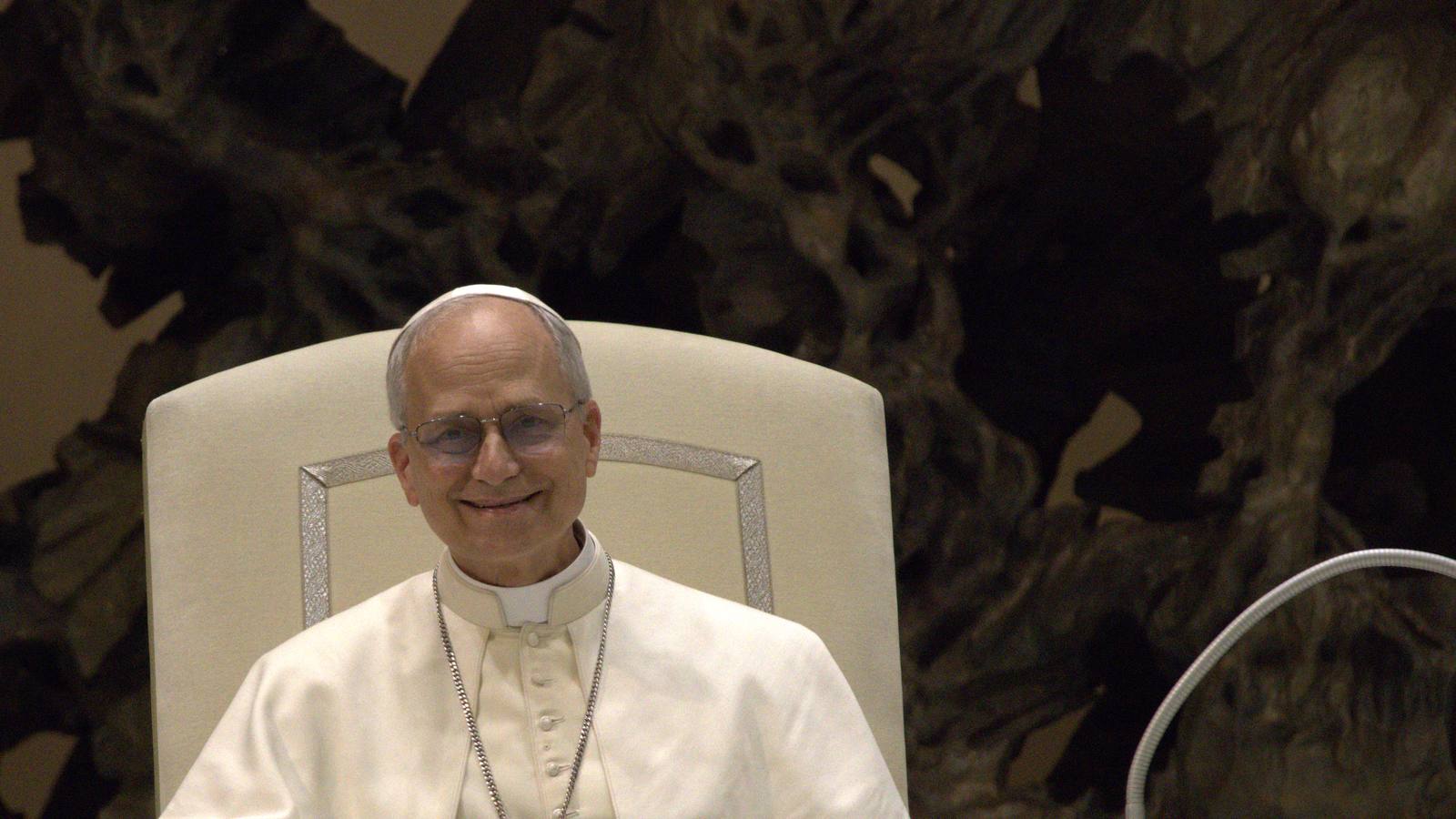
Three days after surgery to remove part of a lung, Pope Leo XIV picked up the phone to Vladimir Putin. He asked for a ceasefire in one small, starving city on the Dnipro River, so that food and medicine could get in and people who wanted to leave could get out.
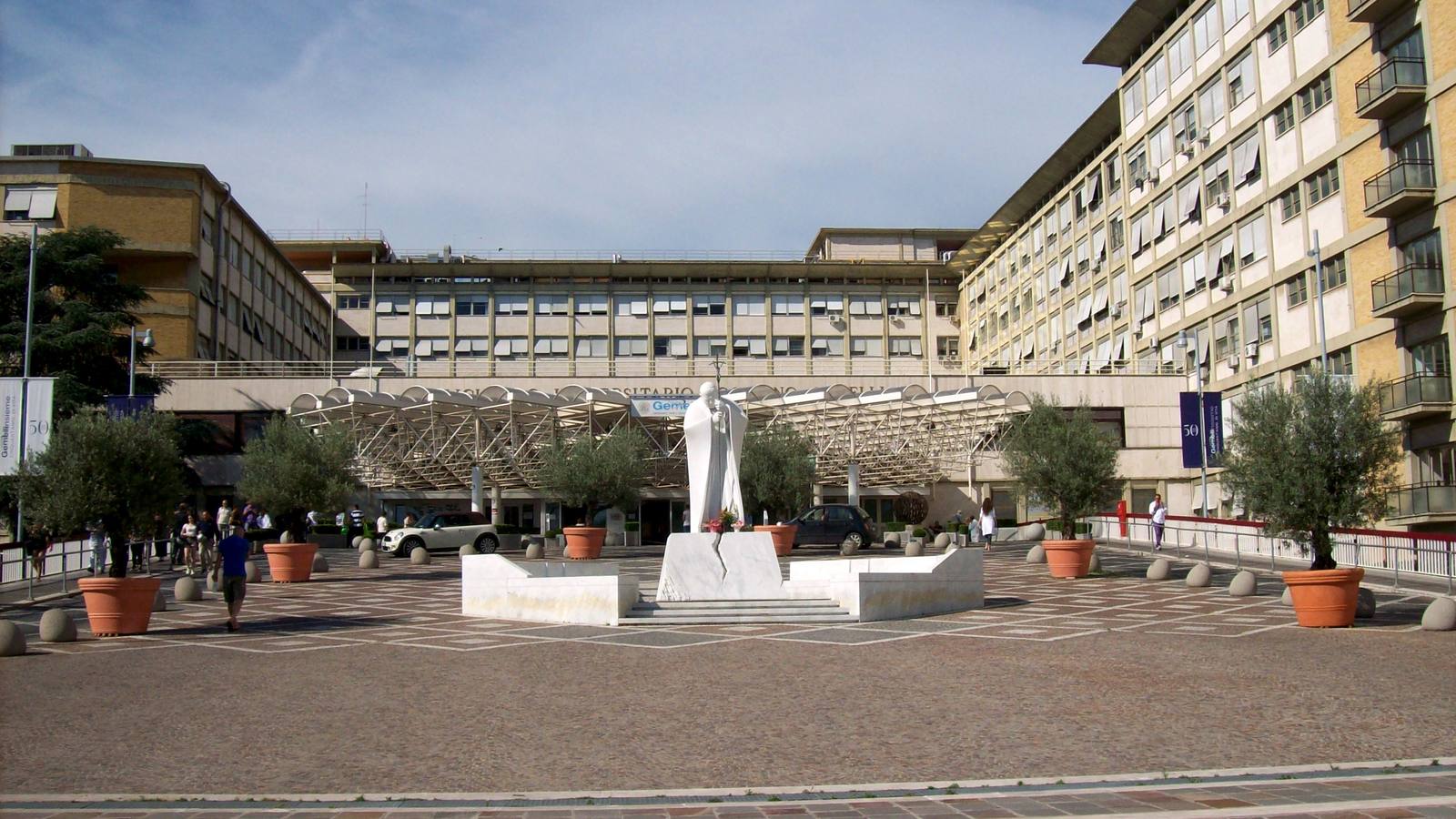
The call happened on Friday 16 October, from Rome's Gemelli Hospital. The Vatican and the Kremlin have each put out their own account of it, and they don't read the same way.
What the Vatican says the Pope asked
The Holy See Press Office statement is three sentences long. It says the Pope spoke by telephone with Putin, and then sets out the request.
"During the conversation, the Holy Father expressed his deep concern about the grave humanitarian situation in the city of Oleshky, in the Kherson region, and called for a ceasefire to allow the delivery of food and medical assistance, and the voluntary and safe evacuation of the civilian population."
It ends: "Finally, the Holy Father reaffirmed the Holy See's commitment to promoting dialogue and peace."
Vatican News noted that it's not the first time the two men have spoken. Leo's previous call with Putin was on 4 June 2025, only weeks after his election.
Look at the words the Vatican chose. Not a general plea for peace in Ukraine, though that's there at the end. A named city, a specific ask, and the word "voluntary" in front of evacuation. Nobody should be moved who doesn't want to go, and nobody who wants to go should be trapped.
What the Kremlin says
The Kremlin's readout, published in Russian, puts the weight somewhere else.
It opens with Putin wishing the Pope good health and a speedy recovery after his operation. It then says Putin stressed the importance of cooperation between Russia and the Vatican in promoting shared spiritual and moral values, and in protecting Christians and Christian holy sites in different parts of the world. Both sides, it says, emphasised their interest in continuing dialogue between the Russian Orthodox Church and the Roman Catholic Church.
On Ukraine, the Kremlin says Putin thanked the Pope for his willingness to help settle the conflict and for his humanitarian efforts.
Then it comes to Oleshky, which it calls a Russian city. The readout says that, because the Pope had raised concern about the fate of civilians there, Putin gave detailed explanations blaming the government in Kyiv for the difficult humanitarian situation. It says Russia supported the Vatican's intention to help create conditions for the safety of the city's people and for vital supplies, and that the two sides agreed to work together on it.
It describes the conversation as constructive and mutually respectful.
So there's agreement on one thing that matters: the Vatican wants to help people in Oleshky, and Moscow says it'll cooperate. Who's to blame for their suffering is where the two accounts part company. Neither statement mentions a ceasefire agreed.
Why Oleshky
If you haven't heard of Oleshky, you're not alone. It's a town on the left bank of the Dnipro in the Kherson region, held by Russia since 2022, with the river and Ukrainian forces on one side and Russian forces on the other.
It was home to about 24,000 people before the full-scale invasion. The BBC reported in September that the Ukrainian government estimates some 6,000 people remain in the town and surrounding areas, including 200 children. The town has had no electricity, gas or water since the Kakhovka dam was destroyed in 2023, the BBC said, and residents told it the last food delivery came in May.
One woman, whom the BBC called Halia to protect her, said: "I eat once a day, a dinner only." She described plain bread, sometimes with a tomato or honey, and tea. Residents swap advice on Telegram about which garden weeds are safe to boil.
The United Nations has been sounding the alarm for months. In June, the UN Human Rights Monitoring Mission in Ukraine said at least 29 civilians had been killed and 54 injured in Oleshky and nearby Hola Prystan so far this year. Drones and landmines had made the roads deadly. Ambulances no longer went to homes.
"People can't get out, food can't get in, and sick and injured are not getting the medical assistance they need," said Danielle Bell, the mission's head. She was just as direct about the answer: "There is a desperate need for a local ceasefire so that people can leave and food and medicines can reach those who decide to stay."
That's almost exactly what the Pope asked for on Friday.
The UN mission also reminded both sides of the law. "Under international law, an occupying power has the duty to ensure food and medical supplies for the population and to facilitate humanitarian relief when necessary," it said.
A Pope working from a hospital bed
The call came on a busy day for a man recovering from major surgery.
On Tuesday 13 October, doctors removed the lower lobe of Leo's right lung. DW reported that he'd been diagnosed with adenocarcinoma, the most common form of lung cancer, and that doctors are waiting on biopsy results to decide whether he needs further treatment. We covered the surgery itself and the announcement that came before it.
Friday's medical bulletin was good news. His doctors, Dr Luigi Carbone and Professor Stefano Margaritora, said blood tests and a chest X-ray "confirmed the steady improvement in his overall condition," Vatican News reported. His "postoperative recovery allows him to carry out normal daily activities entirely independently."
At noon he celebrated Mass in a room set up on the hospital's 10th floor, for members of the Gemelli medical and nursing staff and officers of the Vatican Gendarmerie. He gave Communion himself. In his homily, the Press Office said, he thanked the doctors, nurses and orderlies for caring for patients "in their frailty," and especially for what they've done for him.
The Vatican released the first photos of him since the operation. DW said they showed him in vestments, standing beside his personal secretary, the Peruvian priest Edgard Rimaycuna. He also met Cardinal Luis Antonio Tagle and Cardinal Baldo Reina, the Vicar General for Rome, that afternoon.
It's a picture of a pastor who doesn't stop being one because he's in a hospital gown. On Wednesday, Cardinal Tagle read a homily Leo had written before the surgery, telling Saint Peter's Square the world has no future without strong families. On Friday it was a starving town most of the world has forgotten.
What comes next
The Press Office says the Sunday Angelus "will take place." The Vatican hasn't said whether he'll lead it from St Peter's Square or from the hospital. Cardinal Pietro Parolin, the Secretary of State, said a recitation from the hospital was possible but would depend on how the Pope's recovery goes. Noon in Rome on Sunday is 8:30pm in Adelaide.
A Vatican spokesman told reporters there's been no word from the doctors on discharge, beyond the original one week timeframe. And planning for his trip to Uruguay, Argentina and Peru, from 6 to 17 November, is going ahead, DW reported, with the list of travelling journalists already released.
"We can't make any predictions," Parolin said.
For Oleshky, the question is simpler and harder. Both sides now say they'll work with the Vatican to get supplies in and keep people safe. Whether a truck of food actually crosses into that town, and whether a family that wants to leave can do so without stepping on a mine, is the only measure of Friday's call that will matter to the people still there.
Christians around the world have been praying for the Pope's recovery all week. It's worth adding Oleshky to those prayers.
If this story helped, you can help keep the paper going: Support the paper.
The paper
Comments
No notes on this story yet.
Sign in to comment