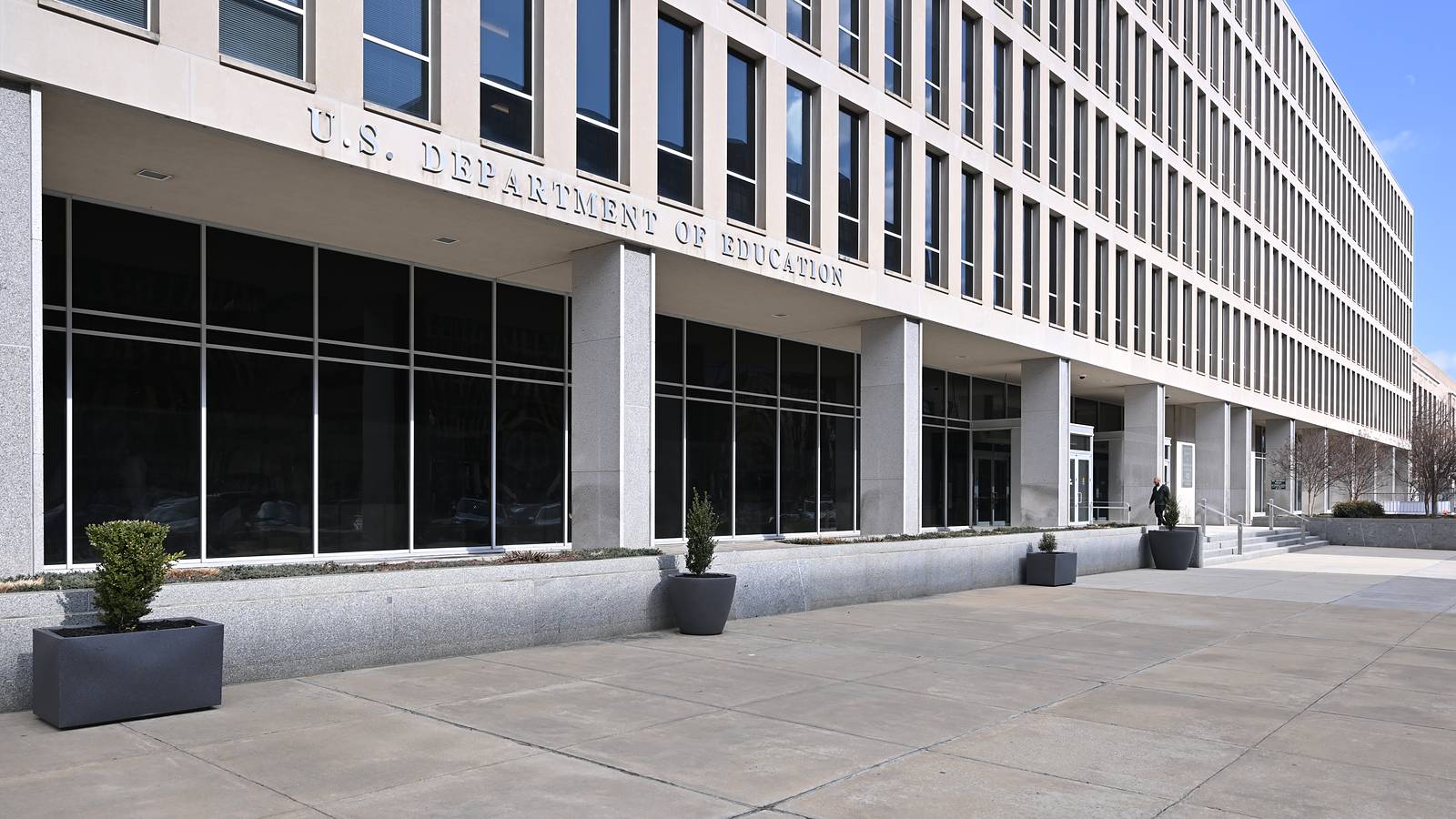

Americans whose federal student loans have gone into default now have an online Defaulted Loans Support Center, run by the Treasury and the Education Department. It went live on 30 September at StudentAid.gov/default-support. Borrowers can apply to get out of default there, without the phone calls, paper forms and fax machines the old process leaned on.
The timing matters. CNBC reported Education Department data showing about 9.3 million federal student loan borrowers were in default as of 30 June, up from about 6.2 million at the same point in 2016.
What the portal does
The new center sits inside StudentAid.gov, the same site borrowers already use for the FAFSA and their loan details. The joint Treasury and Education release says borrowers can use it to:
- understand the consequences of default
- compare the paths out of default
- apply online for loan rehabilitation or consolidation
- make a payment on a defaulted loan
- review repayment plans and loan-discharge options.
For rehabilitation, the release says borrowers can now fill in the application, upload documents, see an estimated payment, sign the agreement electronically and track their progress, all without leaving the site. For consolidation, borrowers who apply through the portal and sign up for auto pay can get the temporary 1% interest-rate cut the department's offering.
That's a real change. The College Investor reported that rehabilitation used to start with a call to the Default Resolution Group. Then came income paperwork, then a wait of about ten business days for an agreement to turn up in the mail. The older MyEdDebt site let borrowers check balances and make payments, but it didn't let them apply for either way out online.
Two ways out of default
There are two main roads out, and the portal puts them side by side.
Rehabilitation means making nine on-time payments within ten consecutive months. Once that's done, the loan leaves default and the default record comes off the borrower's credit report. The new portal changes how you apply. It doesn't change how long it takes.
Consolidation rolls the defaulted loans into a new Direct Consolidation Loan. It's quicker, often weeks rather than months. But The College Investor notes the default record stays on the credit report. It also says borrowers who consolidate now get a narrower choice of repayment plans.
So it's a trade-off between speed and a cleaner credit record. That's exactly the comparison the portal's built to show, in one place, before a borrower commits to either.
Why getting out matters
Default isn't just a late payment. Federal loans are generally considered in default after 270 days without a scheduled payment, CNBC notes. After that, The College Investor says, collection costs can add up to 20% to what a borrower owes. The government can take federal tax refunds, and it can garnish up to 15% of disposable pay without going to court. The Treasury release says getting out of default can also restore access to benefits that were cut off.
The problem's grown fast. CNBC reports defaults rose about 50% over the past decade. It points to the end of the pandemic payment pause, the end of the SAVE repayment plan and rising unemployment among recent graduates. The Treasury release says more than 5 million borrowers have been in default for more than six years.
What the government says it's seeing
Both secretaries pitched the portal as proof their new arrangement works. Under the Treasury-ED Federal Student Assistance Partnership, Treasury has taken on a bigger role in running the loan program, including collecting on defaulted loans.
"Under President Trump, Treasury and the Department of Education are restoring fiscal responsibility to our nation's $1.7 trillion federal student loan portfolio," Treasury Secretary Scott Bessent said in the release. He called the center "an important early achievement" that gives "defaulted borrowers a clearer path back to repayment."
Education Secretary Linda McMahon talked about where her department's heading. "The Department of Education was never intended to serve as the fifth largest bank in America, and that's exactly why we partnered with the Treasury Department to improve the administration of federal student aid programs that millions of American students, families, and borrowers rely on," she said.
The departments also put out some early numbers, and these are their own figures. They say approved applications for loan rehabilitation are up 69% since the partnership began. Consolidations out of default are up 95%, they say, after what they call the correction of "a Biden-era technical issue." In early feedback, 89% of users said the application was easy to complete, 86% said they understood what to do next, and 84% said it took a reasonable amount of time. Nobody outside the departments has checked those numbers.
McMahon also called it "a historic step toward breaking up the federal education bureaucracy while streamlining critical resources for student loan borrowers in default." President Donald Trump has promised to wind down the Education Department and hand its work to other agencies and the states. CNBC reported the administration announced in March that Treasury would collect on defaulted loans.
Treasury's done this kind of work before, with mixed results. CNBC pointed to an archived 2016 Treasury blog post in which the department found it collected at lower rates than private companies. The new portal's a different kind of tool, though. It's built to let borrowers sort out their own loans, not to chase them.
The release also blames the previous administration's Fresh Start and on-ramp programs for hiding defaults. As The College Investor pointed out, it makes that claim without any supporting data.
What to watch
There are a few loose ends. The College Investor reported that at launch, Federal Student Aid's default FAQ page still pointed borrowers to the old MyEdDebt site and the Default Resolution Group phone line. The release didn't give a shutdown date for the old site either. So for now, both look set to run side by side.
A rule change is on the way too. From 1 July 2027, borrowers will be able to rehabilitate a loan twice instead of once, according to The College Investor.
And collections are ramping up. The same outlet reported that Treasury began contacting about 500,000 defaulted borrowers in July, and tougher tools like garnishment and benefit offsets are expected to widen later. If you're in default, the practical step is the one the portal now makes simpler. Log in, compare rehabilitation and consolidation, and start an application before collection action starts.



The paper
Comments
No notes on this story yet.
Sign in to comment