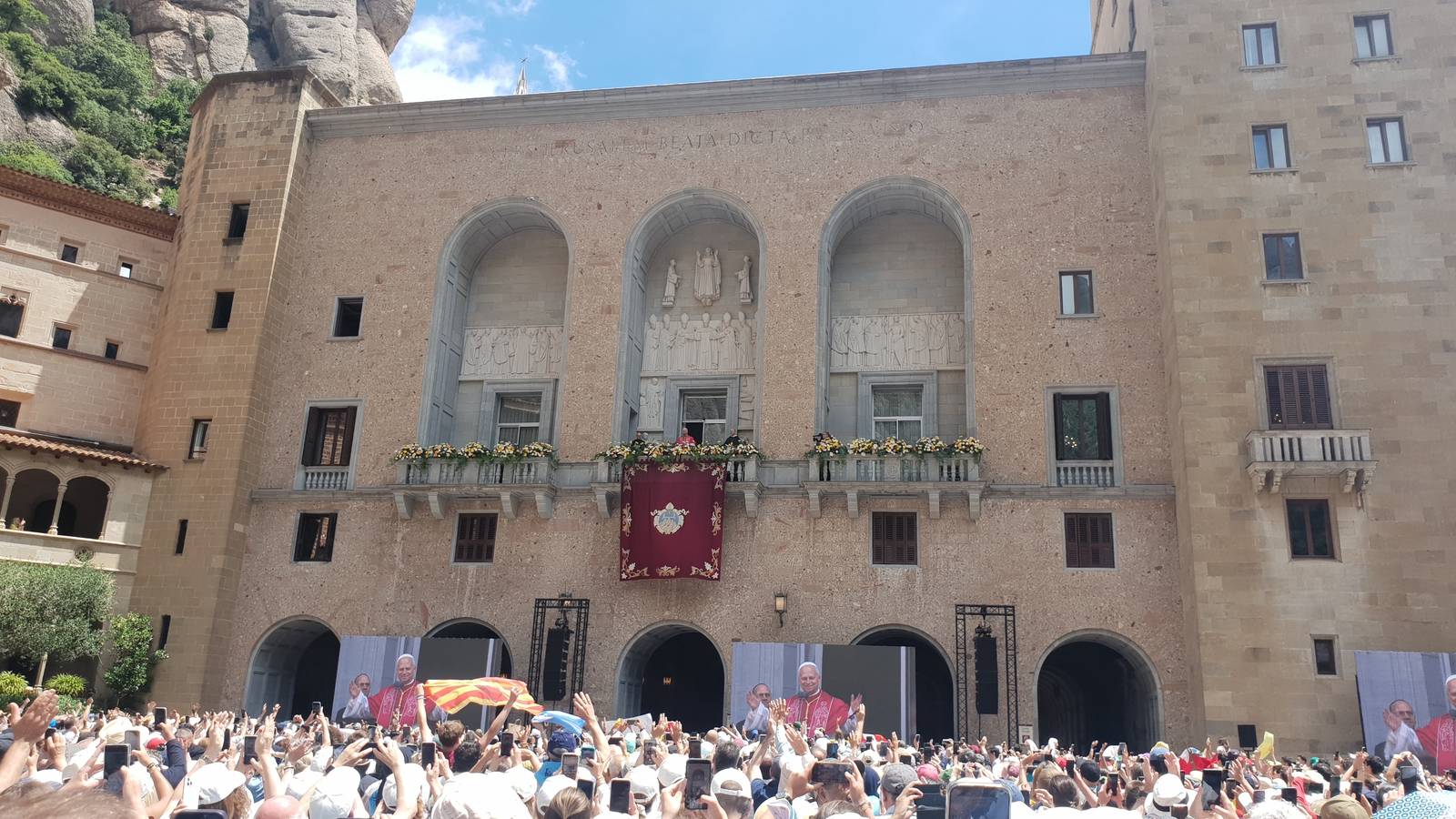

Pope Leo XIV has voted in the American midterm elections. The Vatican confirmed on Friday 30 October that the pope, who was born in Chicago, had sent in a mail ballot, making him the first pope to vote in a US general election.
The Holy See didn't say how he voted, and it won't. What it did say was short, and it framed the vote as a duty rather than a political statement.
What the Vatican said
The statement from the Holy See Press Office is three sentences long in English.
"Pope Leo XIV has exercised his right to vote as a United States citizen, whenever he was eligible to do so. The Holy See Press Office confirms that in keeping with this long-standing practice of civic participation, he has submitted his mail-in ballot in Chicago."
"The Holy Father has also confirmed that, during his years of residence in Peru he exercised his right to vote whenever he was eligible to do so."
"The Holy Father expresses his belief in the right and the duty of citizens to participate in democratic processes."
That's it. No candidates, no parties, no issues. Vatican News carried the same confirmation.
How a pope votes by mail
The mechanics are the same as for any American living abroad. According to the Chicago Sun-Times, he requested his ballot through the Will County clerk's office on 3 October. He's registered in New Lenox, a suburb south west of Chicago. Leo grew up in nearby Dolton, just south of the city, and was ordained a priest of the Augustinian order in 1982 before his years in Peru.
US citizens overseas can vote by mail under a federal law from 1986, the Uniformed and Overseas Citizens Absentee Voting Act. It covers military personnel and civilians living outside the country. A missionary priest in Peru, as Robert Prevost was for many years, would have used the same system. So, it seems, does a pope in Rome.
The Associated Press reported the confirmation as a first for the papacy in a US general election. There's never been an American pope before Leo, so no pope has ever had the chance.
Peru as well
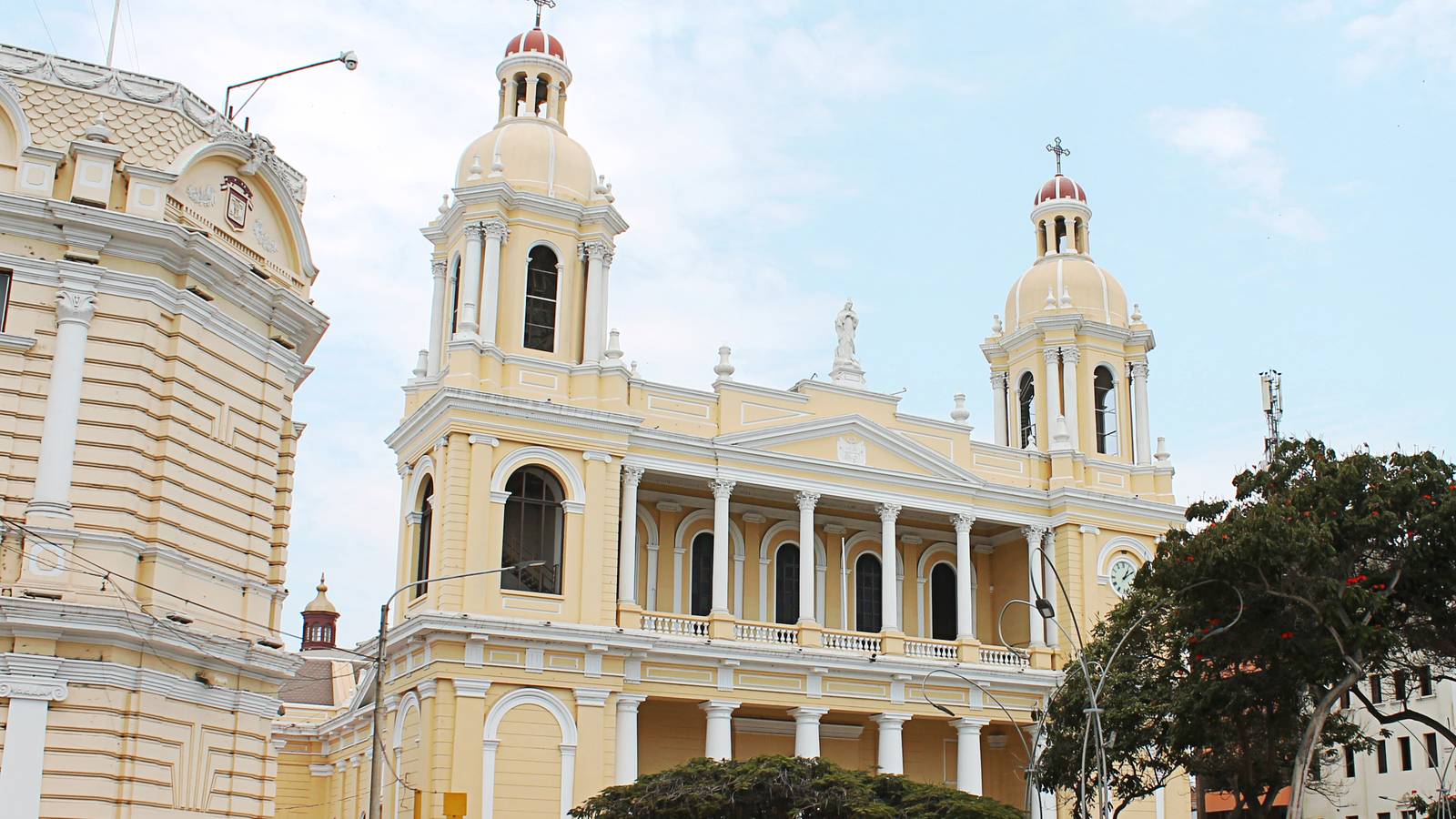
The line about Peru is worth noticing. Leo became a Peruvian citizen during his decades of ministry there, as a missionary, then as a bishop in Chiclayo. He took Peruvian citizenship in 2015, the same year he was named Bishop of Chiclayo, and he held both nationalities from then on. Peru has compulsory voting for most adults, so a citizen bishop living there was expected to turn up at the polls like anyone else. The Vatican's statement confirms he voted there too when he was eligible.
So this isn't a new habit picked up for an American election. The press office describes it as a "long-standing practice of civic participation", and the Peru line backs that up.
Why a pope voting matters
Popes don't usually vote in anyone's elections. Vatican City is an absolute monarchy, and the pope is its head of state.
Leo is in a different position because he kept his US citizenship. That raised an obvious question when he was elected in May 2025. Would he keep voting? Now there's an answer.
The risk the Vatican is managing is clear. A pope is the spiritual leader of 1.4 billion Catholics, including tens of millions of American Catholics who vote for both major parties. Any hint of how he voted would be seized on by one side or the other. The statement avoids all of that. It talks about the act of voting, not the content.
What the Church teaches about voting
The press office's last line, about "the right and the duty" of citizens, isn't a new idea invented for the occasion. It reflects long standing Catholic teaching.
The Catechism of the Catholic Church, in paragraph 2240, puts it plainly. "Submission to authority and co-responsibility for the common good make it morally obligatory to pay taxes, to exercise the right to vote, and to defend one's country."
The same Catechism, in paragraph 1915, adds that "As far as possible citizens should take an active part in public life." It also says the way people take part "may vary from one country or culture to another." That covers both of Leo's homes. In Peru, voting is required by law. In the United States, it's left to each citizen.
Read that way, a pope who skipped the vote would be the odd one out. Leo is doing what the Church asks of every Catholic who lives in a democracy.
American bishops have taught the same thing for decades. Their regular guidance to Catholic voters calls political participation a moral obligation, while leaving it to each Catholic to apply Church teaching to the candidates in front of them.
The election itself
The midterms are on Tuesday 3 November, US time, which is Wednesday morning in Adelaide. Every seat in the House of Representatives is up, along with about a third of the Senate and a long list of state and local races.
The pope's ballot goes into the Will County count with every other mail vote. It's one vote among many millions, and it carries the same weight as everyone else's.
A note for Australian readers
Australians are used to compulsory voting, so the idea that voting is a duty may sound familiar. Here it's the law. In the United States it's a choice, and turnout in midterm elections is often well under two thirds.
Leo's statement doesn't tell anyone how to vote. It just says that he did, that he always has when he could, and that he thinks citizens should. For a leader whose every word is read for political meaning, that's about as plain as it gets.
We reported earlier this month that the pope has been cleared for a Latin America trip, running from 6 to 17 November. It's another reminder that this pope has two homes in the Americas, Chicago and Peru, and he has voted in both.
If this story helped, you can help keep the paper going: Support the paper.
The paper
Comments
No notes on this story yet.
Sign in to comment