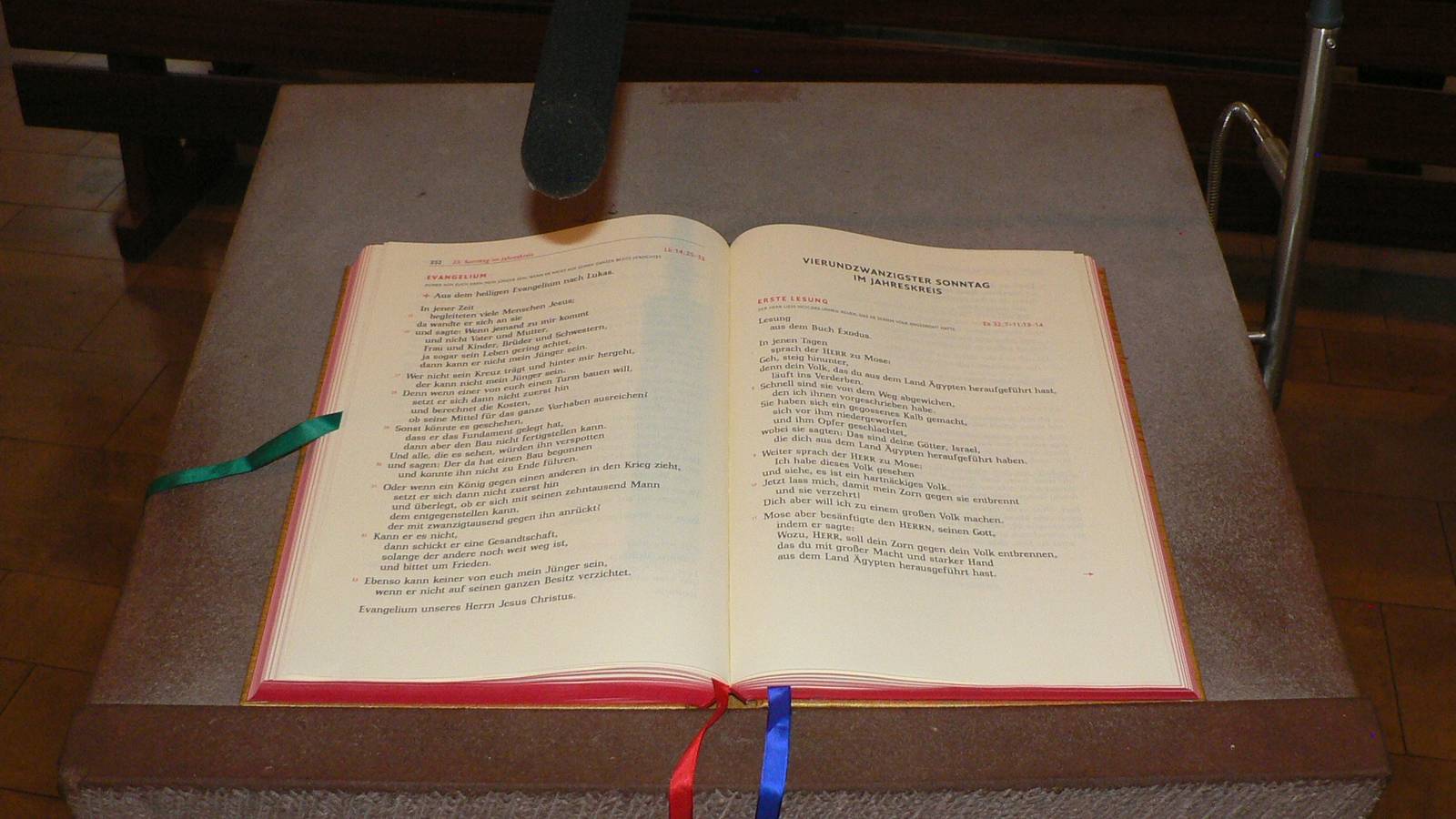
The Catholic bishops of the United States have approved a new edition of the Lectionary for Mass and the Book of the Gospels, so that the readings proclaimed at Mass will match a new English Bible translation due in 2027.
The vote was 196 in favour, five against and three abstentions, on 18 November, during the US Conference of Catholic Bishops' fall plenary assembly in Baltimore, which ran from 16 to 19 November. The USCCB published a recap of the meeting on 19 November. The new texts still need confirmation from the Vatican's Dicastery for Divine Worship and the Discipline of the Sacraments before they can be used.
The practical point is consistency. Auxiliary Bishop Michael G. Woost of Cleveland, who chairs the bishops' Committee on Divine Worship, told OSV News: "It is about consistency." With the Catholic American Bible due in 2027, he said, "we needed to bring those translations into the lectionary," the book that holds the passages read at a given Mass.
The Catholic American Bible will replace the New American Bible Revised Edition, or NABRE, which has been the English translation used in US Mass readings since it was released in March 2011. OSV News, whose parent company Our Sunday Visitor is listed among the approved publishers, said the new biblical translation will be available in 2027.
The aim, as Bishop Woost put it, is consistency: the Bible people read, the lectionary and the Book of the Gospels all using the same translation. Eastern Catholic churches have their own lectionaries, OSV News noted, as do a number of Protestant denominations.
The Book of the Gospels is the dedicated liturgical book of Gospel texts. It's used in both the Roman and Eastern Catholic churches and reverenced in the liturgy as a sign of Christ's presence. "The Gospel, in a unique way, represents for us the presence of Christ in the midst of the assembly," Bishop Woost said, pointing to the Second Vatican Council's constitution on the sacred liturgy, Sacrosanctum Concilium. "So when the word is proclaimed, we are encountering Christ."
He told OSV News the newly approved Book of the Gospels has been expanded "so that it can be used more often," including on "many of the major feasts and solemnities." One example he gave: the updated book includes the passage for All Souls' Day, 2 November, when Masses "tend to attract a large crowd" of people "coming to pray for their deceased relatives and friends." Using the Book of the Gospels on those days, he said, helps "elevate the solemnity of those particular occasions" and reinforce the sense that Christ is present in the word.
Bishop Woost also said he and his fellow bishops are "really hoping" the aligned translations will encourage "people to actually read the Scriptures before coming to Mass," to "pray with" and "meditate upon" the passages, "and then hear the same readings when they go to Mass, especially on Sundays." "It's a good idea to at least start looking at the readings long before you go to Mass," he said.
Many parishes already print the week's daily readings in the bulletin, he noted, and the USCCB publishes the readings in English and Spanish at usccb.org. His advice was modest and concrete. "Really enter into praying" with the Scriptures before Mass, he said, but "you don't have to read all of them at once." He suggested people "make one reading (from Mass) part of your daily prayer throughout the course of the week." As he put it, "Christ is present in our midst through the proclamation of his word."
The lectionary vote was one of several formal decisions in Baltimore. The bishops also updated diocesan financial reporting guidelines, 205-2 with one abstention, and socially responsible investment guidelines, 217-0 with one abstention. They approved, 180-15 with seven abstentions, an annual Day of Prayer for Racial Justice on the last Sunday of October. They voted 205-0 to let the Secretariat on Pro-Life Activities review and update a pastoral plan last revised in 2001, and 212-2 with three abstentions to approve the conference budget for 2027. They re-elected Bishop Kevin C. Rhoades of Fort Wayne-South Bend as conference secretary, elected chairmen-elect of six committees, and elected Rev. Paul B.R. Hartmann as general secretary for a five-year term. They also affirmed, at the diocesan level, a cause for the beatification and canonization of Maria Middleton. As the public session began, the bishops sent a message to the Holy Father and heard from the USCCB president, Archbishop Paul S. Coakley of Oklahoma City, and the apostolic nuncio, Archbishop Gabriele Caccia.
Of all those votes, the lectionary is the one people will notice most often if the Vatican confirms it, because it changes the words they hear every Sunday.
For Australian readers, this is an American conference decision about an English translation for the United States. It doesn't, by itself, change the lectionary used in Australian parishes. It's still a story about how a large English-speaking church is trying to make the Bible on the shelf and the readings at Mass speak in one voice, and about a bishop asking people to open the text before they come through the door.
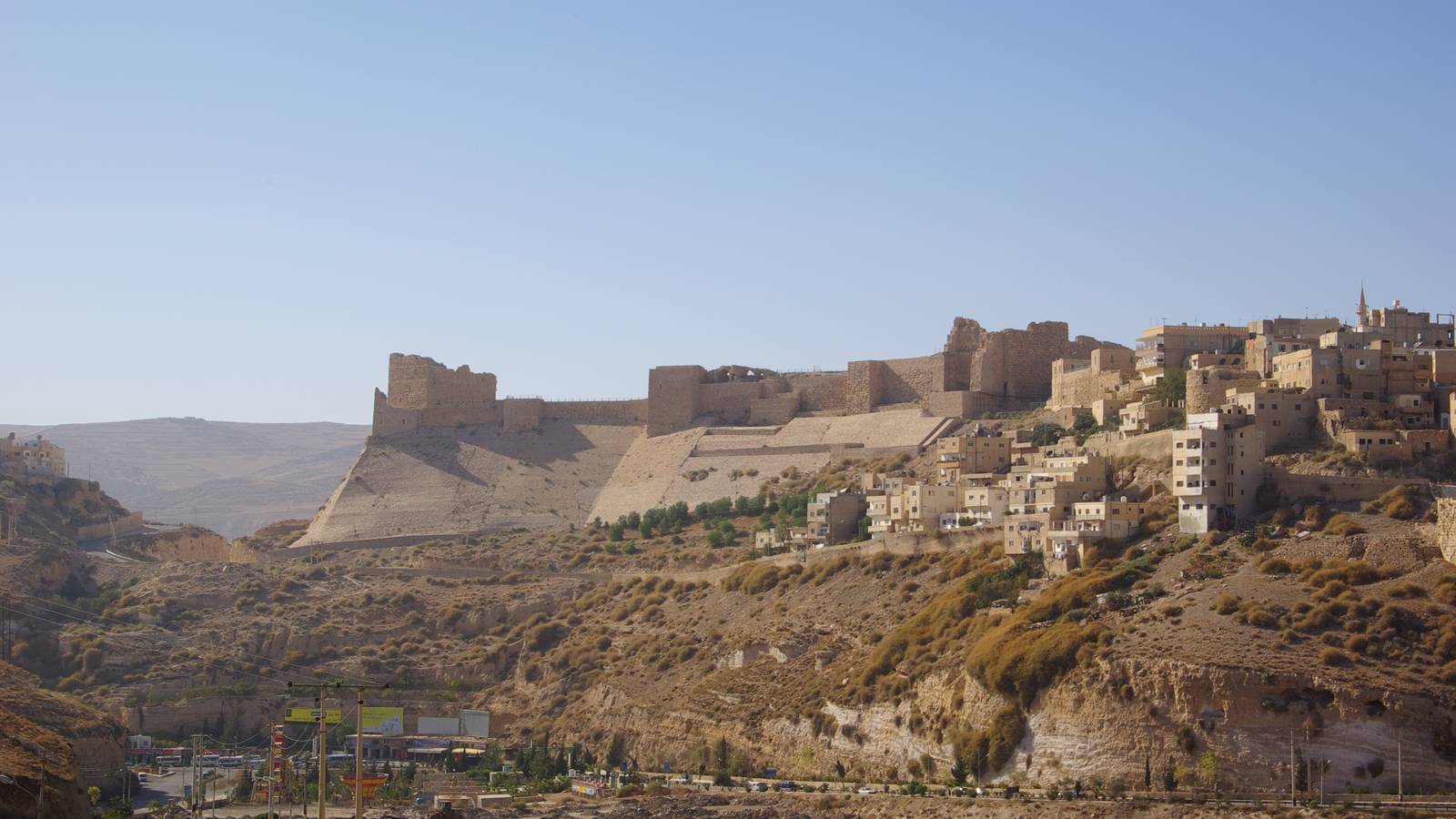
It also sits beside other recent reporting on the shape of the global church, including Pew's projection that most Christians will live in sub-Saharan Africa by 2070, and beside harder news of the faith under pressure, such as the death sentences handed down in Jordan over the Karak church attack. The Baltimore vote is quieter than either. It's about words, books, and whether a translation can help people pray.
The next formal step is in Rome. Until the dicastery gives its confirmation, the new lectionary and Book of the Gospels are approved by the US bishops, not yet in force. OSV News said the decision will be submitted to the dicastery for official confirmation and recognition. Matching the readings at Mass to the 2027 Bible is the consistency Bishop Woost was talking about. For now, the Sunday readings remain as they are, and the invitation he issued doesn't have to wait on a new book: start with one passage, and let it be the same one you'll hear when you stand for the Gospel.
If this story helped, you can help keep the paper going: Support the paper.
The paper
Comments
No notes on this story yet.
Sign in to comment