
Three weeks after gunmen killed nine people at a funeral in a Greek Orthodox church in southern Jordan, a court in Amman has sentenced the three men who did it to death by hanging. Some relatives of the dead were in the courtroom on Sunday when the verdicts were read.
For Jordan's small Christian community, it's an answer of sorts. It isn't the end of the case, because the sentences go to an automatic appeal.
The verdict
Jordan's State Security Court handed down its ruling on Sunday 15 November, the state news agency Petra reported. It convicted the three defendants of carrying out terrorist acts that killed nine people, using weapons and ammunition in those acts, possessing weapons with terrorist intent, conspiring to commit terrorist acts and promoting the ideology of a terrorist group.
One of the three was also convicted of providing money to finance terrorism, under Jordan's 2021 anti-money laundering and counter-terrorism financing law.
The court reached its decision after four sessions, according to The National. Two other men were each sentenced to six years in prison for selling the attackers the weapons they used.
Jordan's military announced the outcome in a statement. It said the "State Security Court issued its ruling sentencing to death the three criminals who carried out the terrorist attack" at the church, Al Jazeera reports.
What happened on 23 October
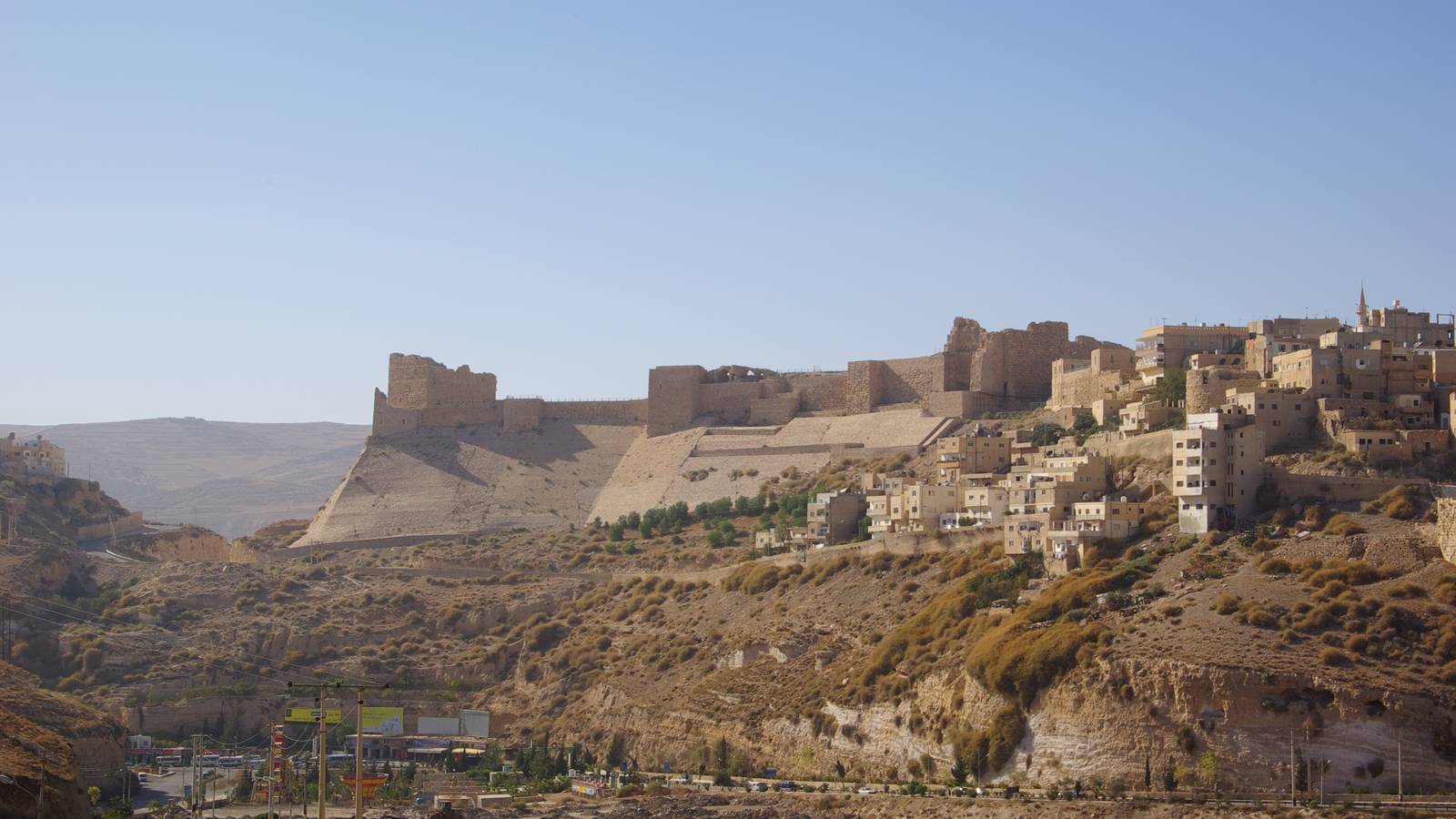
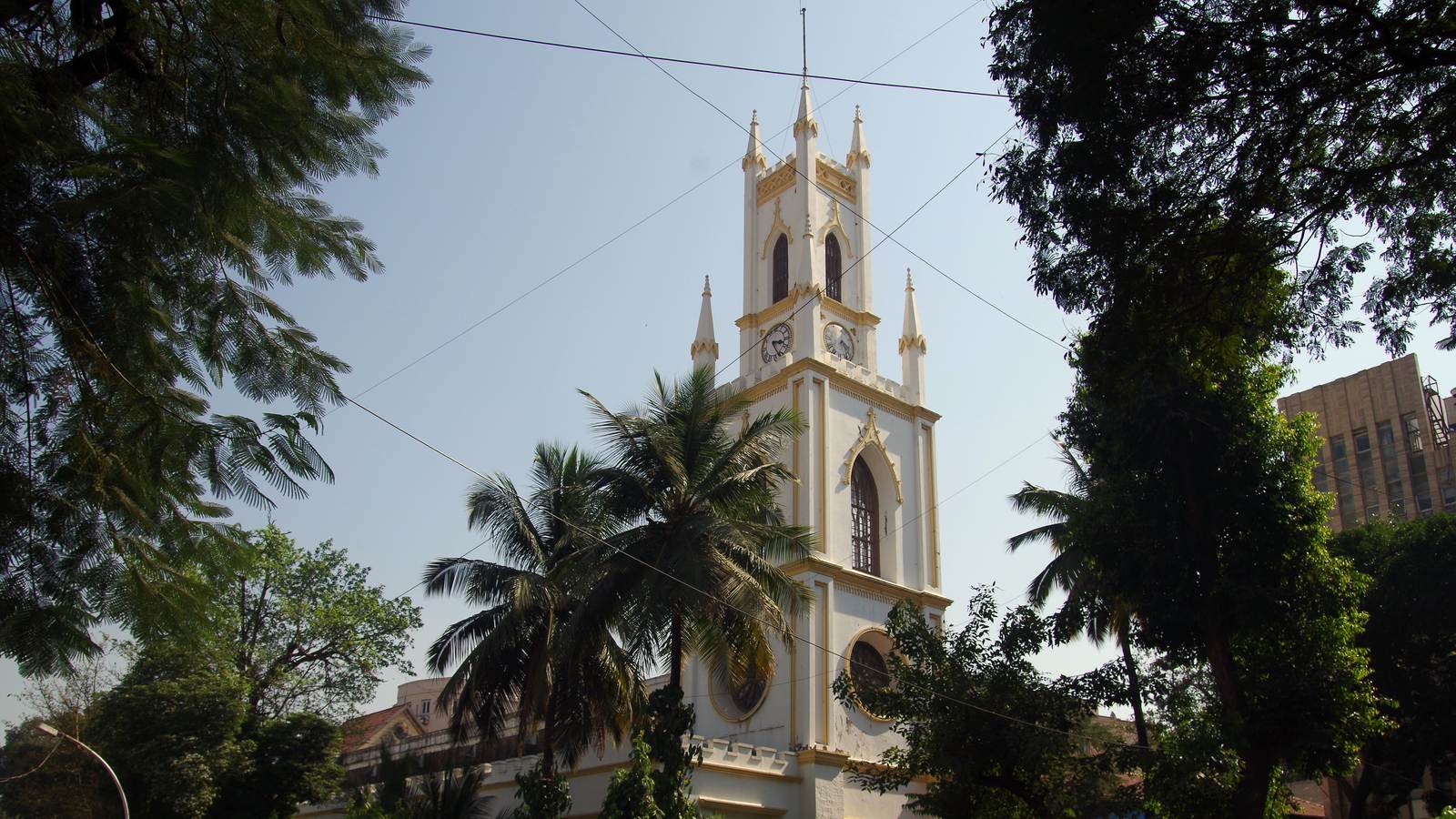
The attack came on a Friday afternoon, 23 October, during a funeral at St George's Greek Orthodox Church in the village of Hammoud, which is also spelled Hmoud or Hamoud. The village is in Karak governorate, south of Amman. The National puts it about 80 kilometres from the capital.
Mourners were gathered for a burial when the shooting started. We reported on the attack and its aftermath that weekend, including the account of a priest who ordered people to get down as bullets flew.
The state broadcaster Al-Mamlaka aired security camera video that seemed to show three people shooting at the church from the footpath before running for the door. Reuters said it had verified the video, The Guardian reported at the time.
Nine people died. Reports differ on how many were hurt. Al Jazeera says 25 people were wounded. Reuters, via NBC News, and The National both put the number at 34. On the day of the attack, The Guardian reported that Jordan's health minister put the figure at 40.
All nine of the dead were men, The National says, most of them from the Halasah, a prominent Jordanian Christian clan. Among them was Assem Burkan, a political science professor. His son and daughter were in court on Sunday.
Who the attackers were
The authorities have named the three men. The National identifies two of them as brothers, Hazzaa and Mishaal Mohammad. The third, Ahmad Hussein, is their brother-in-law. All three come from the Thneibat clan.
They fled after the attack. Security forces found them in an abandoned house in Karak and arrested them after they refused to surrender and fought back, Petra says. Reuters reports all three were wounded in the shootout and no security personnel were hurt. Reuters dates the arrests to 26 October, and Petra says the security directorate announced them that day. The National says 25 October.
The authorities haven't disclosed a motive for the attack, or any details of their investigation, The National reports.
"They wanted justice done"
Amer Halasah, the lawyer for the victims' families, told reporters all three men had admitted in court to carrying out the attack. "They wanted justice done. The court applied the law objectively and without bias," he said.
He called the sentences "the most severe" available under Jordan's 2006 anti-terrorism law.
State media described the trial as swift, and said its speed was meant to show the government wouldn't tolerate terrorism, according to The National.
The appeal
Under Jordanian law, a State Security Court ruling like this one goes to an automatic appeal before the Court of Cassation, Petra says. The National adds that the men can lodge their own appeal within 30 days.
So the death sentences aren't final yet.
A community that rarely sees this
Christians are a small minority in Jordan, and Al Jazeera notes that Karak governorate is home to many of them. Al Jazeera puts their number at about 300,000 of the country's 11.5 million people. The National's estimate is about 250,000 out of 11 million.
The National calls the church shooting the most significant attack on the kingdom's Christian minority since the 1950s. Reuters describes it as a rare attack on that community.
King Abdullah II promised at the time that those responsible would face the "harshest penalties," Al Jazeera reports. He also ordered a review of how the country's security services respond to attacks like this one.
Strikes in Syria
The attack didn't stay inside Jordan's borders. After the arrests, Jordan launched airstrikes on southern Syria against groups it linked to the church shooting. Reuters says the strikes came later on the day of the arrests. The National says Jordan claimed on 27 October that at least 20 ISIS members were killed.
Syrian authorities said seven people died, including three children and a woman. The National also lists an elderly man among the seven. Jordan later acknowledged that its strikes had killed civilians, Reuters reports, and the two countries agreed to set up a joint security committee to review what happened. Syria denied that the strikes had been co-ordinated with it, The National says.
A second attack in Amman
The church shooting wasn't the last attack Jordan's authorities have labelled terrorism. On 5 November, a police officer, Corporal Jawad Al Salayta, was stabbed to death and another officer was wounded outside the Sri Lankan embassy in Amman, according to The National.
On Tuesday, a man was charged with terrorism over that killing. The National says the suspect is a former convict, and that state media reported the State Security Court's prosecutors had finished their investigation.
The two cases have shaken a country that likes to see itself as a safe place in a rough neighbourhood. The National says the church attack "undermined Jordan's image as a bastion of safety in the Middle East."
For the families
For the Halasah families and the parish of St George's, Sunday's ruling is the first court decision in the case. It doesn't explain why their relatives were targeted, because the authorities still haven't said.
The appeal will decide whether the sentences stand, and the Court of Cassation hasn't set a timetable for its decision.
If this story helped, you can help keep the paper going: Support the paper.
The paper
Comments
No notes on this story yet.
Sign in to comment