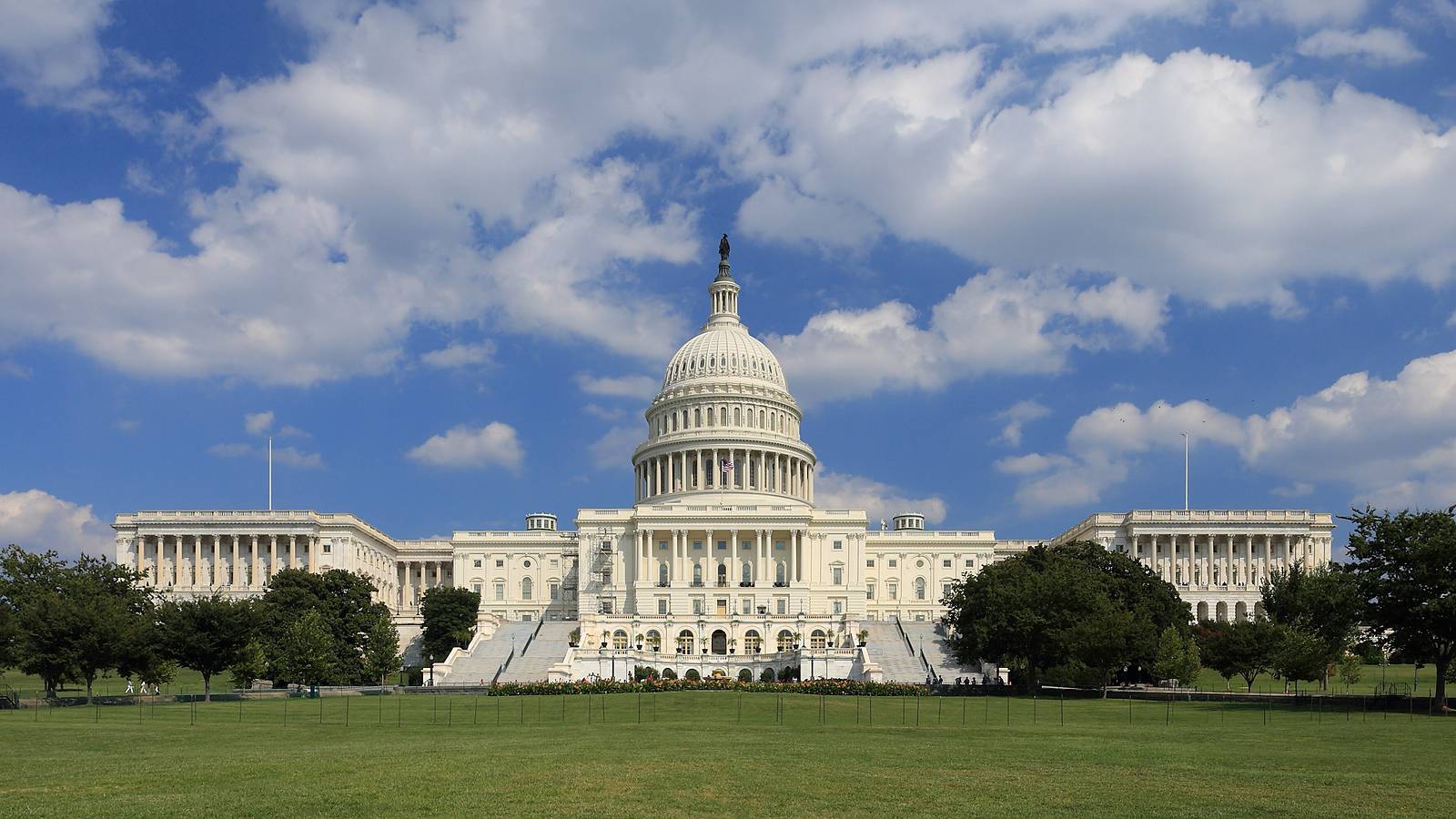

Prison Fellowship, the Christian ministry Charles "Chuck" Colson founded in 1976 after his Watergate prison term, has been honoured by the US Senate on its 50th anniversary. Senators James Lankford, an Oklahoma Republican, and Chris Coons, a Delaware Democrat, got their resolution through without a single objection. The ministry marked the vote in a statement on Tuesday, 29 September, US time.
The resolution's short, but it's packed with numbers. The full text, posted by Lankford's office, says the ministry reaches more than 600,000 people a year, helped by more than 200,000 volunteers across the United States.
What the Senate said
The resolution "honors Prison Fellowship on the occasion of the 50th anniversary of its founding by Charles Colson, which was inspired by his personal transformation and a vision of redemption, justice, and hope." It praises "decades of service in advancing restoration, rehabilitation, and second chances through faith-based programs," and it recognises the staff, volunteers, church partners, correctional leaders and program participants "whose efforts have transformed millions of lives."
Lankford's office said the vote was unanimous. Both sponsors talked about faith.
"Prison Fellowship has spent 50 years helping people understand that a mistake does not have to be the end of their story," Lankford said. "Their work points people to Christ, helps restore families, and gives people the opportunity to change. I'm grateful for the staff and volunteers who have stayed committed to this work for five decades, and I'm glad to recognize Prison Fellowship on its 50th anniversary."
Coons went back to his own childhood. "The first time I was in a maximum-security prison, I was 12 years old, joining my father on one of his prison ministry visits," he said. "I saw how prison ministry transformed the lives of both those inside the prison and for our family outside of it. For 50 years, Prison Fellowship has brought that transformation to communities across the country, answering Jesus' call to love our neighbors no matter where or who they are."
From Watergate to a nationwide ministry
Colson was Special Counsel to President Richard Nixon. He became a Christian as the Watergate scandal closed in, and he served seven months in federal prison after pleading guilty to obstruction of justice in a Watergate-related case. He started Prison Fellowship in 1976, and the Senate text says his conversion and "the strengthening of his faith during incarceration" were what drove it. He died in 2012.
Scott Peyton, the ministry's senior director of advocacy, recalled how Colson himself talked about that time. "Chuck Colson once described his imprisonment as 'the great humiliation of my life' - yet God used that humiliation for a greater purpose," he said in a statement released by Lankford's office. "Fifty years later, Prison Fellowship continues that legacy, encountering Jesus with those impacted by incarceration, equipping the Church, and advancing justice that restores."
Heather Rice-Minus, the ministry's president and chief executive, gave thanks for the vote. "Over the past 50 years, God has been faithful to use Prison Fellowship to bring hope and purpose to people impacted by incarceration," she said. "What began with Chuck Colson's transformation became a movement of individuals who believe no one is beyond God's reach."
The programs behind the numbers
The resolution goes through the ministry's main work, one program at a time.
The Prison Fellowship Academy is a year-long, intensive course for people inside, built around personal transformation, character and spiritual growth. More than 16,000 people have taken part and about 6,000 have graduated. The resolution says evaluations by the Texas Department of Criminal Justice and the Minnesota Department of Corrections found big drops in reoffending among participants.
The Academy was also the first program from any nonprofit that the Federal Bureau of Prisons approved as an evidence-based recidivism reduction program under the First Step Act of 2018. That's the bipartisan criminal justice law. In June, Lankford celebrated the launch of the first federal Prison Fellowship Academy, at the Federal Correctional Institution in El Reno, Oklahoma.
Prison Fellowship Grow, a Bible study and mentoring program, has had more than 350,000 participants. The federal Bureau of Prisons has approved it as a "productive activity" under the same law.
Angel Tree is the program most churchgoers know. It helps local congregations give Christmas gifts, run summer camps and offer year-round support to the children of people in prison. The Senate text says more than 13 million children have been served through Angel Tree Christmas, and more than 120,000 have been to an Angel Tree camp.
There's work aimed at the people who run prisons, too. Warden Exchange has trained more than 820 state correctional leaders since 2014, and this year it took its first federal warden. Then there's Second Chance Month, which the ministry has run since 2017 to raise awareness of the barriers facing people with criminal records. The resolution says it now has more than 1,000 partners and has been recognised by the White House, the Senate and more than 40 jurisdictions.
Faith and policy
Lankford's office pointed to his role in the First Step Act. It says he amended the law so faith-based groups could offer job training, social development and family programs on an equal footing with secular ones, and that helped open the door for partnerships like the El Reno Academy. Washington's wider turn toward faith-based partners has shown up elsewhere this year as well, including when the State Department named nearly $2 billion for faith-based health and disaster partners.
Peyton said the ministry had worked "with leaders across the political spectrum to advance reforms that strengthen families and promote safer communities, while creating pathways for people to pursue a second chance." He called the resolution an affirmation "that lasting change is possible when we come together around shared commitments to justice and restoration."
The next fifty
Prison Fellowship calls itself the largest Christian nonprofit in the United States serving people in prison, people who've been released and their families. It says it's still committed to "sharing the hope of Jesus Christ, supporting families impacted by incarceration, and advocating for justice that pursues both accountability and restoration."
For Rice-Minus, the anniversary is really about what's still ahead. "We are grateful to celebrate all that God has done through this ministry," she said, "and look ahead with anticipation for all He will continue to do."


The paper
Comments
No notes on this story yet.
Sign in to comment