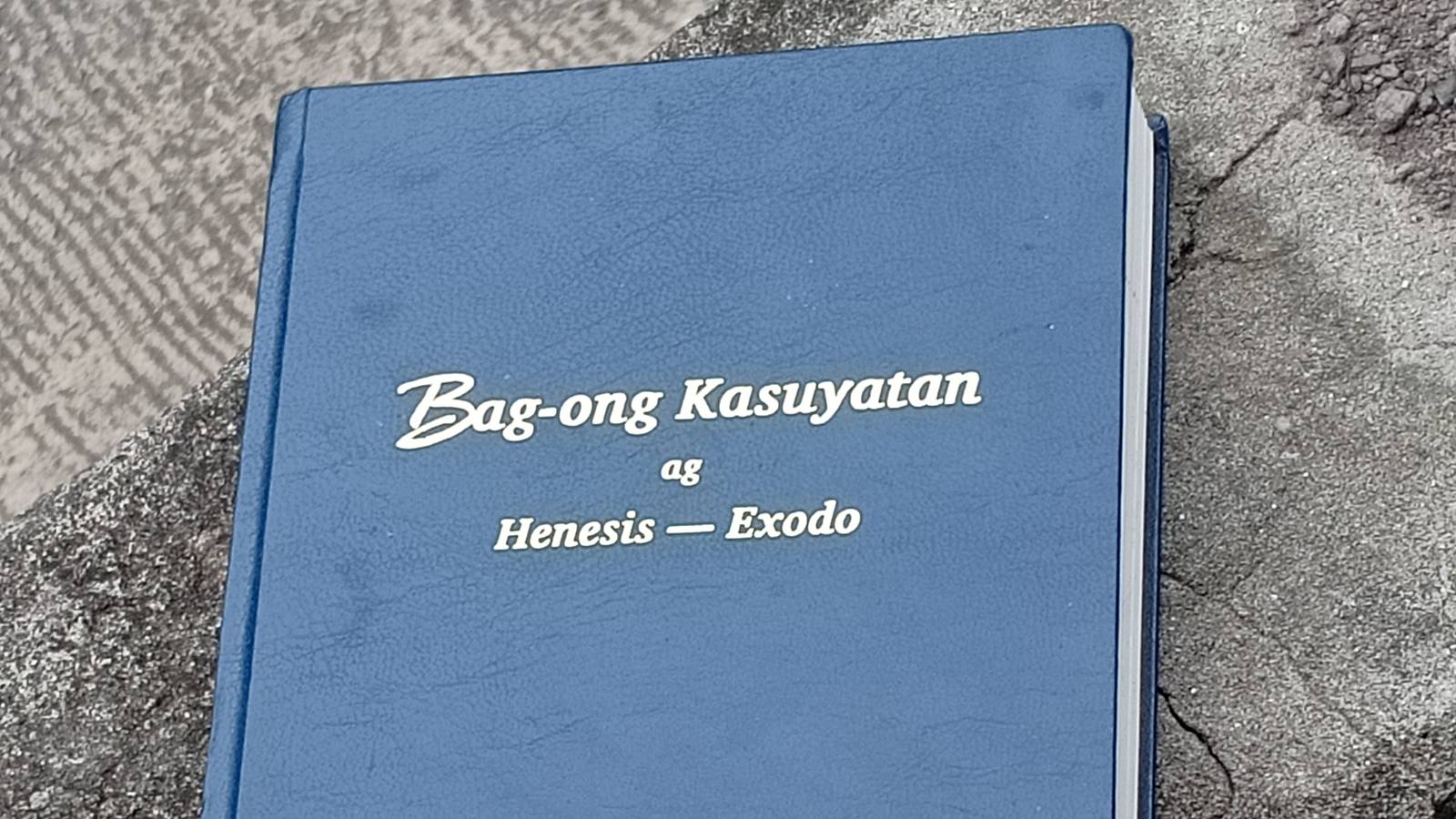

The complete Bible is now in 807 languages, Wycliffe Bible Translators says. That comes after a year in which 28 full Bibles and 70 New Testaments were launched around the world. The UK and Ireland mission put the figures in its latest State of the Bible report, which came out on Wednesday, 30 September, the United Nations' International Translation Day.
That's 98 launches in 12 months, or more than one new Bible or New Testament every four days, Christian Today reported. The 28 complete Bibles match the highest number Wycliffe has ever recorded in a single year.
Past the 800 mark
One of this year's launches pushed the count of languages with a whole Bible past 800. Wycliffe's monthly statistics page now lists 807 complete Bibles, 1,844 New Testaments and 1,519 languages with portions of Scripture. Those numbers come from the ProgressBible Snapshot for September 2026, and each language is counted in only one of those groups.
The charity doesn't dress up how fast things have moved. In its post marking the 800th Bible, it says it "took over 1,900 years to translate the Bible into 400 languages, but just 28 years for the next 400." It says the number of languages with the whole Bible has doubled since 1998. The 700th was celebrated only six years ago, in 2020, with the Ellomwe people of Malawi.
About 6.2 billion people speak those 807 languages. Wycliffe's careful to add that not all of them can actually get a full Bible in their language, for political, geographical, financial or other reasons. Still, it reckons about 101 million people could reach a whole Bible in their own language for the first time this past year, and another 29 million a New Testament. Another 87 language communities got Scripture portions or Bible stories where there'd been none before.
James Poole, Wycliffe's executive director, said the numbers aren't the point on their own. "It is so wonderful to see the progress in Bible translation continue," he said. "That means that more people now have God's word in the language that speaks to them best. But the numbers aren't the goal. What matters is that more people can know Jesus through the Bible - and because of that lives, churches and communities are transformed."
A beehive, made whole
The report picks out the Marakwet Bible in Kenya, launched on 1 August at Tot Primary School in Elgeyo Marakwet County. Bible Translation and Literacy East Africa ran the project. It says work on Marakwet started in 1983, then slowed for years because of insecurity and the challenge of building a writing system. It picked up again in 1992. The New Testament came in 2009, and the Old Testament translation was launched in 2012.
At that 2012 launch, Marakwet men held up half a beehive. It showed that only part of the Bible was in their hands. Fourteen years later, a complete beehive was carried into the celebration of the full Bible. Wycliffe traces the whole project back to Edwyn Kiptinness. In 1962 he struggled to understand Scripture in the Nandi language, and he hoped the Marakwet would one day read it in their own.
Other New Testaments launched in the past year include Bamunka and Mmen in Cameroon, Tagakaulo in the Philippines and Saafi-Saafi in Senegal. One of the newest full Bibles, for the Podoko people of northern Cameroon, isn't a bound book at all. Wycliffe says it's being shared through a smartphone app. That can spread through a community where there are few believers and physical access is hard.
Sign languages and the long tail
The report also points to the gap for deaf communities. There are 383 known sign languages, and American Sign Language is still the only one with a complete Bible. Some Scripture exists in 106 others. Translation's under way in 249, British Sign Language among them.
In Ethiopia, where the report says about five million people are deaf or hard of hearing, the deaf community marked the completion of 239 Bible stories in Ethiopian Sign Language in July. One man in the report, Tegesen, said: "I would not be a believer if God's word wasn't available in a language I understand."
Nigeria is home to more than 500 languages. There, Wycliffe's Mark Road initiative aims to get sections of Scripture into 40 languages, though fewer than 10 are active so far. One of the first communities reached was the Zhire people. On 14 June, St Peter's Church in Kenyi held what Wycliffe called its first service entirely in Zhire. Church leader Friday Saidu said the local language let people "hear the Word of God and Him better than in Hausa or English."
What's left to do
Wycliffe says it's "chasing zero", and there's still a lot to do. About one person in five, roughly 1.5 billion people, doesn't have the whole Bible in their first language. There are about 7,394 languages in the world, and the statistics page lists 3,224 with no Scripture at all yet.
But the waiting list is shrinking fast. The number of languages that need a translation and don't have one started has dropped to 543, spoken by about 38 million people. That count leaves out languages judged not vital enough to keep the work going. Five years ago, Wycliffe says, the figure was close to 1,900. Translation's now under way in 4,414 languages, about 60 per cent of the total. The statistics page says a new language project starts, on average, every day.
The charity puts it down to more local translators, better technology and more support from churches and donors. It doesn't pretend the rest will be easy. Many of the languages left are spoken in isolated places, or in areas hit by conflict, persecution and insecurity. Wycliffe says about 70 per cent of the translation work backed from the UK and Ireland is in "sensitive places." In one case it describes, a translator got death threats after he was identified in a TikTok video. He and his family had to move, and he kept translating.
Other languages don't have a written form yet, or have no known Christians who could join a translation team. Those projects start with linguistics, not verses.
Counting matters to churches closer to home, too. Australian congregations are filling in the eighth National Church Life Survey this spring. Wycliffe's figures show what that kind of honest count can reveal over time.
Pressing on
Poole said the report should spur people on, not let them settle. "We are living through a remarkable moment in Bible translation," he said. "But the task is not finished … This is a time not to slow down, but to press on - together, with urgency and in dependence on God until God's word is unlocked for every heart."
In the 800th Bible post, he put it in human terms. "Every language represents people whom God loves," he said. "That is why we continue to work with Christians and churches around the world as they seek to make God's word accessible to their communities."
Wycliffe updates its statistics page every month. All its figures come from ProgressBible, the shared data service translation agencies use to track which languages have Scripture and which are still waiting.


The paper
Comments
No notes on this story yet.
Sign in to comment