Amplified · Christian heavy
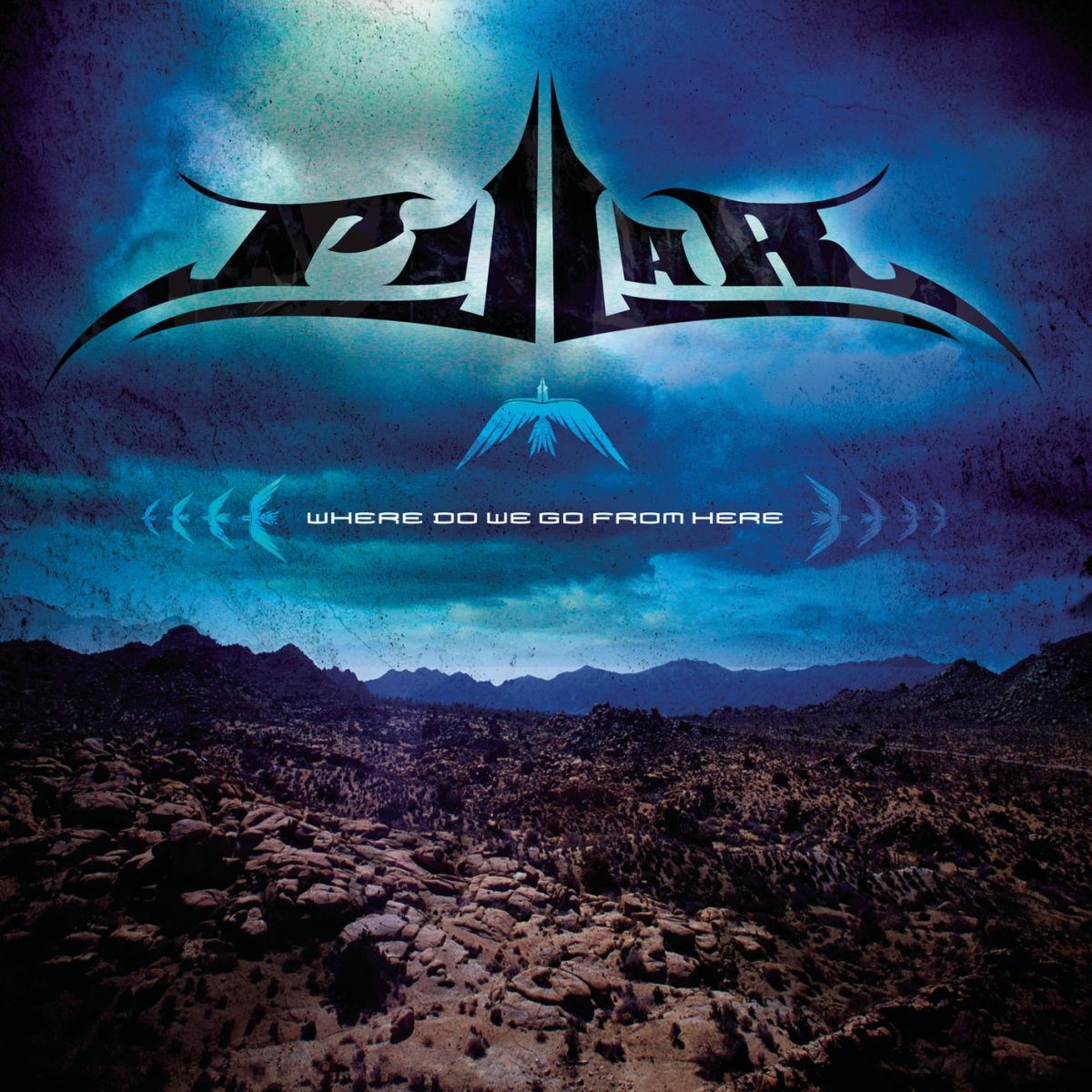
The cover of Where Do We Go From Here (Flicker Records, 2004).
Cover art: Pillar, Where Do We Go From Here / Flicker Records, official cover
Where Do We Go From Here — Pillar
Sign in to rank 1–10.
Where Do We Go From Here is the 2004 album by Pillar, the Christian rock band fronted by singer Rob Beckley. Flicker Records released it on June 15, 2004. It's twelve songs in about 42 minutes, and it followed Fireproof, the 2002 record that made Pillar one of the biggest names in heavy Christian music. This is the album where they stopped sounding like a rap-rock band and started sounding like a hard rock band.
The story
By 2004 the lineup was Beckley singing, Noah Henson on lead guitar, Michael "Kalel" Wittig on bass and Lester Estelle on drums.
Fireproof had done something few Christian heavy bands managed back then. Len Nash at The Phantom Tollbooth noted that it sold more than 300,000 copies and got picked up by MCA Records for a push into the mainstream market. Then the label shake-ups started. Haydon Spenceley at Cross Rhythms wrote that the band ended up with Geffen, which seemed unwilling to properly promote them, so Pillar went back to its original home at Flicker. "Perhaps it is of little surprise, given these to-ings and fro-ings, that the new record's title is 'Where Do We Go From Here,'" he wrote. Nash put it more warmly, saying the band "settled on Flicker Records and signed once again with a place that seems like home."
Josh Taylor at Jesus Freak Hideout read the title another way. He didn't think it was about the band's next musical move at all. He heard it as a question about the state of the American church.
What it's about
Taylor called the whole record "twelve tracks of encouragement to Christians, encouragement to live for Christ and to get out on the frontlines and live out our faith." That's a fair summary, and "Frontline" is the plainest example. It's a call to stand up and be counted, built for a big room full of teenagers with their fists in the air. Taylor said "Let It Out" and "Frontline" both "demand we as Christians take a stand for Christ."
Not every song preaches that loudly. Johnny Loftus at AllMusic noticed the band often wrote so a lyric could point to God or to a person. He quoted "Simply," which goes, "I want you to know, I finally see, that you simply love," and pointed out that the lyric sheet prints the words in capitals so you can't tell which pronoun is which. Taylor heard "Simply" as a song about God's love, and quoted its line about that love coming "despite all the stupid things I've done."
"Rewind" is the slow one, a song about looking back on your mistakes with regret. A reader review on Sputnikmusic heard "Bring Me Down" railing against addiction, and gave the band credit for taking on sexual addiction among young men in "Dirty Little Secret." It called that "a commendable, bold move," though it also thought the song was too short at barely two minutes to let the point sink in.
The sound
The rapping is mostly gone. Loftus said there's still a touch of it in the way Beckley spits out a line, but songs like "Hypnotized," "Bring Me Down" and "Let It Out" lean toward "the slick and brooding aggression of a Hoobastank or Seether." Nash called it "nu-hard rock and borderline nu-metal." Taylor called it "by far, their most melodic record yet," and said it sometimes sounded "louder and more aggressive than Fireproof," with the melodies keeping it from ever feeling like hardcore.
"Bring Me Down" is the place to start. It's the single that got the music video, and it's built on tight, heavy riffs with a chorus you'll be humming by the second listen. Spenceley called it "a sure-fire radio hit." "Frontline" got a video too, and if you went to a Christian youth event in the mid-2000s, you've almost certainly heard it.
Loftus also liked "Underneath It All" for its "great dirty guitar tones" from Henson, and he picked out the late tracks "Staring Back" and "One Thing" for bringing "a bit of grit after the softer detours" in the middle of the album.
How it landed
Most critics liked it, with a few reservations. Spenceley called it "definitely a grower" that "will eventually lodge itself in your head with its memorable choruses," but he missed the sharper lyrics of Fireproof. Loftus called it "another quality effort" and said Pillar "can hang sonically with any of their mainstream post-grunge peers." John DiBiase at Jesus Freak Hideout liked the more melodic approach, though he didn't think the album was "as spiritually bold as previous efforts." His picks were "Holding On," "Frontline," "Rewind" and the remixed "Bring Me Down."
Nash was more mixed. He thought the first three songs only "suffice," and that the middle of the record was "quite choppy." But he loved the back end, where he heard a band that "can riff, play heavy music" and make you forget all about its rap-rock days.
The harshest take came from that Sputnikmusic review. It saw the album as Pillar's "coming-of-age" and praised "Hypnotized" for building slowly and then exploding, and "Bring Me Down" for its "damningly catchy hook." But it had no time for "Frontline," calling it "generic, formulaic, and expected," and it complained that Henson almost never changed his guitar tuning, which made the riffs start to blur together.
Our verdict
The critics who found it samey aren't wrong. A lot of these songs run on the same chugging guitar and the same loud chorus, and if you need a heavy record to surprise you, this one won't. "Frontline" is a rally song, not a deep one.
But there's a reason it's the Pillar album so many fans remember. "Bring Me Down" still hits hard, "Simply" and "Rewind" show the band could slow down and mean it, and "One Thing," near the end, carries real weight. The faith is right on the surface, the way it was for so many kids who found this record at a youth event or a festival, and it's honest about struggle as well as victory. Play "Bring Me Down" first, then "Rewind," then "Frontline," and you'll hear the whole band in ten minutes. For more on the band, see our Pillar page.
7/10
If this story helped, you can help keep the paper going: Support the paper.
Notes
Notes
No notes on this story yet.
Sign in to comment