Amplified · Christian heavy
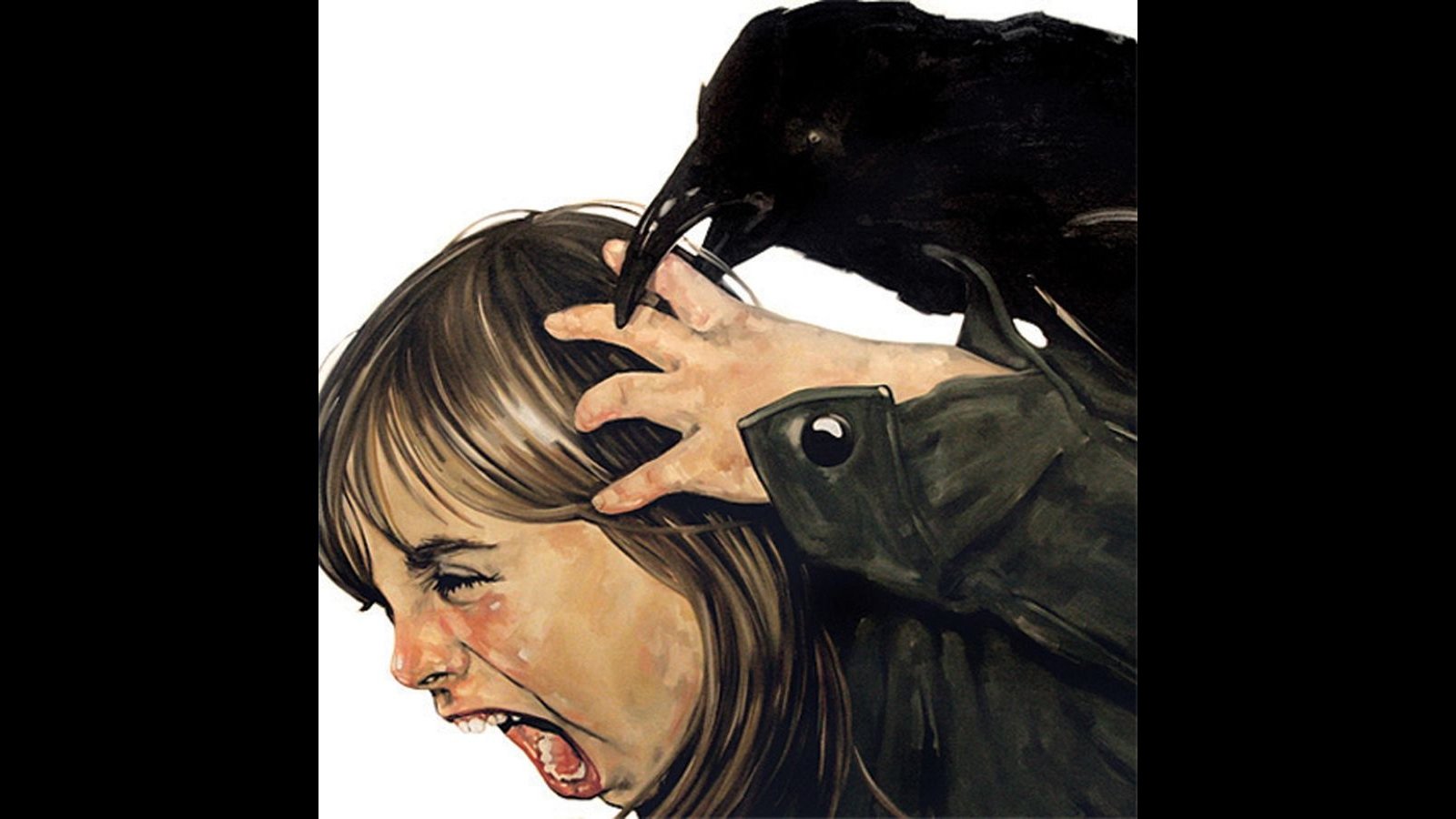
The cover of Redeemer (Solid State Records, 2006).
Cover art: Solid State Records (2006)
Redeemer — Norma Jean
Sign in to rank 1–10.
Redeemer is Norma Jean's third album, released on Solid State Records on September 12, 2006. It's eleven songs in just under forty-two minutes, and it's the record where the Atlanta band's second line-up stopped living in the shadow of its first. We give it an 8/10.
How it came together
By 2006 Norma Jean had already survived one big change. Singer Josh Scogin had left after the debut, Bless the Martyr and Kiss the Child, and Cory Brandan had stepped in for O God, the Aftermath in 2005. That album split fans, but it gave Brandan time to settle in. The line-up for Redeemer was Brandan on vocals, Scottie Henry and Chris Day on guitar, Jake Schultz on bass and Daniel Davison on drums.
The big move was the producer. Ross Robinson had made his name on records by Korn, Sepultura, At the Drive-In and the Blood Brothers. AllMusic lists the sessions as April and May 2006, split between Radiostar Studios in Weed, California, and Robinson's own house in Venice Beach.
Davison told the Georgia Straight that working with Robinson was a dream he'd had since he was a kid. "When I was first getting into music 10 to 12 years ago, I was totally into the bands that he was working with, so it was a lifelong dream to work with him," he said. The band figured it could never afford him. Then word came that Robinson wanted to be on the guest list for one of their shows. "He liked the energy of what we did live," Davison said, "plus all the extra stuff that we do with projection and lights."
Fans didn't all like the first taste. Drew Beringer of chorus.fm noted that Blueprints for Future Homes was the first song the band posted on its Myspace page, and it drew plenty of angry replies because Brandan sings more on it. The album sold anyway. Billboard's chart history shows Redeemer entering the Billboard 200 at No. 38 on the chart dated September 30, 2006. That beat O God, the Aftermath, which had peaked at No. 62.
What you're hearing
A Grand Scene for a Color Film opens the record at full speed. The Georgia Straight described it as "molten waves of stun-gun guitar, shock-and-awe percussion, and blown-throat bellowing." The shout everyone remembers comes early: "Let's break out the shotguns, we're going to town!"
The songs are shorter this time. The last album had a ten-minute song in the middle of it. Here, nothing runs much past five minutes. Robinson's sound is clearer than the sludge of the last record, but it isn't polite. Gene Armstrong of the Tucson Weekly heard it as "crackling noise metal to the extreme," yet "clean and to the point," and "ferociously refined." He was especially taken with Henry and Day, whose guitars he said were "gnashing together in dissonant and off-kilter harmony."
The other thing that's new is groove. Under all the chaos, songs like A Small Spark vs. a Great Forest swing. Davison said that was no accident. "When I first started playing the drums, I listened to a lot of Helmet and Deftones," he told the Georgia Straight. "Both those bands have a good amount of groove to them." You can hear it in the tribal drumming that opens A Small Spark, and in the way A Temperamental Widower just keeps hitting.
Brandan is the real story, though. He still screams most of the way, but he sings more than he used to, as on Blueprints for Future Homes. AllMusic's Greg Prato said Songs Sound Much Sadder treads "oh so gently upon prog metal territory." The closer, No Passenger: No Parasite, is the one slow song on the record, and the most melodic.
What it's about
Norma Jean never wrote slogans. The band told the Tucson Weekly they were "all Christian dudes," but Schultz was quick to add that they were "pretty easygoing" about labels. "People can call us what they want," he said. Armstrong summed up what the songs go after instead. Hypocrisy, corruption, inner turmoil, spiritual poverty and evil, he wrote, "can refer just as easily to Christians as to pagans."
You have to dig for the faith, but it's there. The clearest line comes on The Longest Lasting Statement: "Improvement is no redemption, and unbelief is no diversion. Drenched in blood, soaked in grace, take this body." That's the title in a nutshell. You can't fix yourself. Something has to save you. Even the band's name got folded into that idea. Schultz said they later read that Norma means pattern and Jean means grace and mercy, "so together, it means patterns of grace and mercy."
What the critics said
Sean Lex of Jesus Freak Hideout went in as a doubter. He called himself "a heretofore non-Norma Jean fan" who had found O God, the Aftermath "fairly weak." Redeemer turned him around. He called it "hard, heavy, chaotic, the kind of sounds that make your mum worry about you," and said the first ten songs were "fabulously hard, layered, and chaotic." His only real complaint was the slow closer, which he felt "takes away all the momentum of the previous ten songs."
Beringer was even warmer. He thought O God had leaned too hard on the band's influences, and said Norma Jean "looked to redeem themselves" here and "succeeded greatly." Prato was more measured. He admitted some listeners might think it sounded like plenty of other bands on Headbangers Ball. But he said Norma Jean brought "a conviction to their performances" that set them apart. Armstrong went furthest of all. "All noise rock and extreme metal must bow to this CD," he wrote.
Watch
Start with A Grand Scene for a Color Film, the album's opener, then play Blueprints for Future Homes, the first song the band shared before release. Both are the album versions. Last comes a short TV ad for the album from Solid State Records. The band premiered its video for Blueprints on MTV2's Headbangers Ball that November. Brandan said at the time it was "seriously the best video we've ever done," and joked that he turns "into a wolf" in it "for a second."
The verdict
Why an eight? Because this is where the Brandan years became their own thing. The songs are tighter, the guitars are wild but clear, and Brandan finds the voice the band would build on. Why not a nine? Lex had a point about the ending. The last stretch sags a little before the closer, and a couple of songs in the back half run together. Why not a seven? Because A Grand Scene for a Color Film, Blueprints for Future Homes and The Longest Lasting Statement still hit as hard as anything in Christian metal from that decade. It's the bridge between O God, the Aftermath and everything Norma Jean did next.
8/10
If this story helped, you can help keep the paper going: Support the paper.

Notes
Notes
No notes on this story yet.
Sign in to comment