Amplified · Christian heavy
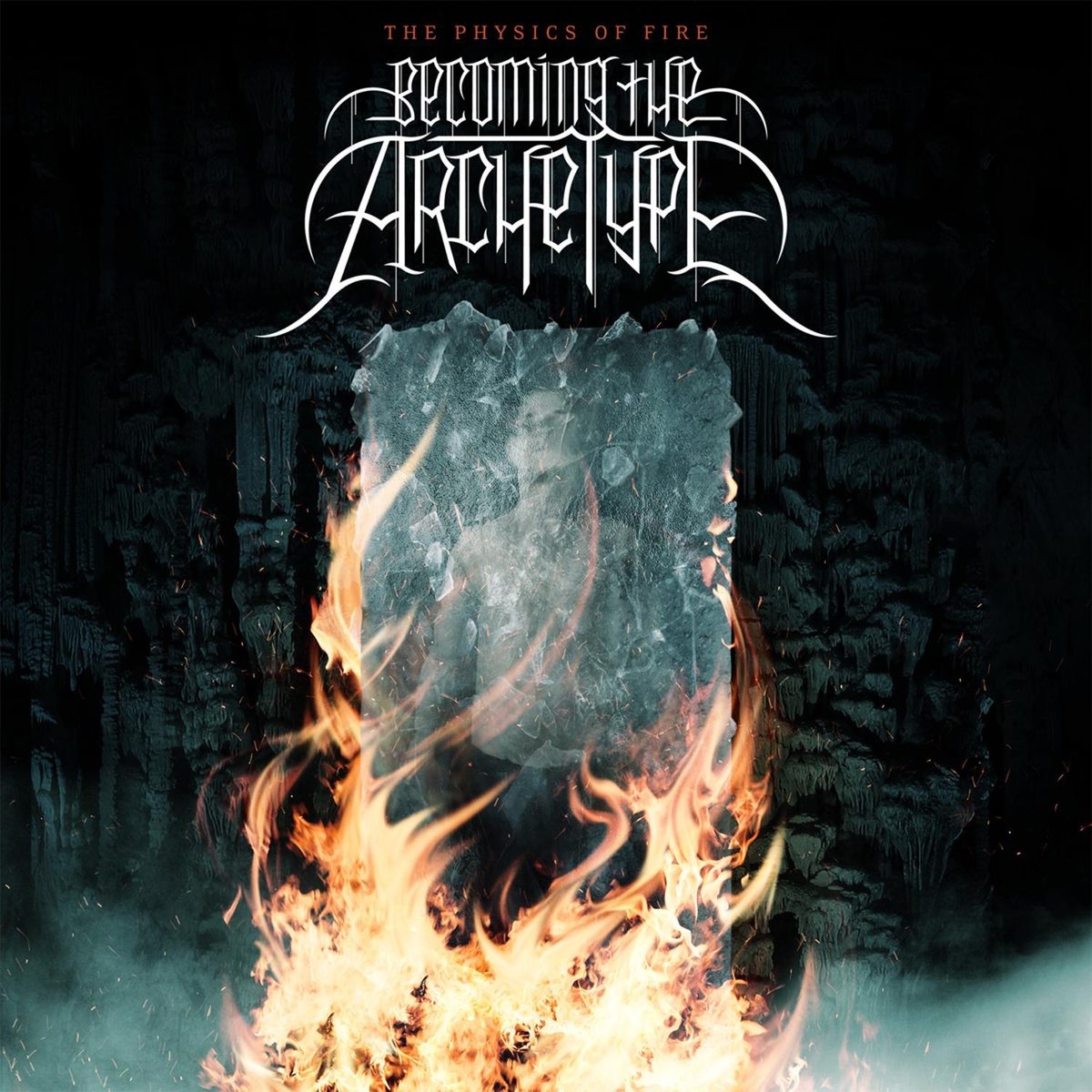
The cover of The Physics of Fire (Solid State Records, 2007).
Cover art: Becoming the Archetype, The Physics of Fire / Solid State Records, official cover
The Physics of Fire — Becoming the Archetype
Sign in to rank 1–10.
The Physics of Fire is the second album by Becoming the Archetype, the Christian metal band from Atlanta. Solid State Records released it on 8 May 2007. It has 11 tracks and runs about 51 minutes, and almost every one of those minutes is about fire. For where the band started, read our review of Terminate Damnation.
A new band in the same name
According to Mark Deming's AllMusic biography, the group began as the Remnant before it changed its name and its sound. The line-up that made Terminate Damnation in 2005 had three guitarists. By the time this album was made, two of them had left. In their place came one man, Alex Kenis, from the death metal band Aletheian.
Kenis changed more than the guitar parts. He also sang, and his clean, melodic voice sits against Jason Wisdom's harsh growl through most of the album. Wisdom also plays bass, and Seth Hecox plays guitar and keyboards. Rather than fill both empty spots, the band carried on as a four-piece.
Reviewers noticed the change straight away. Jeremy Williams of Cross Rhythms said Kenis was a technically brilliant guitarist, but that his singing made the biggest difference, allowing for sudden harmonies and vocal interludes. Tim Harro of Jesus Freak Hideout called Kenis's clean vocals the biggest step forward from the debut.
A record about fire
The album is built around one idea. The title song is split into four parts, and the parts are scattered across the record out of order. "Epoch of War" is part three and opens the album. "The Great Fall" is part one and comes fourth. "Fire Made Flesh" is part two, and "The Balance of Eternity," part four, closes the album at almost nine minutes.
Harro read those four songs as one story, about how the fire of God frees souls from the icy grip of hell. Williams was blunter. He called the album essentially a concept album about hell, full of "fire, being on fire, lakes of fire and other fire-related themes." The faith isn't hidden. Harro called the lyrics very spiritually explicit and easy to understand, and quoted the closing lines of "The Balance of Eternity," which end with every tongue confessing "that Jesus Christ is Lord forever." He also pointed to "Second Death," a very dark song about a soul that is lost and trapped forever in ice, as the exception on a mostly hopeful record.
Not every listener enjoys the puzzle. One listener review on AllMusic, written in 2020, said that scattering the four parts made the suite feel disjointed. That writer thought it could have rivalled "Elegy," the long centrepiece of the debut, if the parts had been kept together.
What the critics said
The Christian press loved it. Jesus Freak Hideout gave it five stars out of five and called it "among the most phenomenal records in its category." Harro had one complaint. He felt Wisdom's growl could have hit even harder with more variation, since it stays mostly on one level.
Cross Rhythms opened its review by asking whether Christians should play music this dark at all, and answered that the band was out to prove no genre is beyond redemption. Williams called the album raw, blistering and as heavy as it comes. He thought it largely works, though some of the melodramatic instrumental breaks felt a little pretentious.
The mainstream metal press was cooler. Jeff Mcquiggan of SonicFrontiers.net scored it 6.8 out of 10 and called it solid but unoriginal. He heard a strong debt to the Swedish band Opeth in the clean vocals, the riffs and the arrangements, and missed the heavy bass sound of the debut. Wisdom's bass, he wrote, goes basically unheard. On the other hand, he was glad the band had dropped the cheesy breakdowns, and he liked the soft passages with Hecox's keyboards. He also said the faith only comes to the front in a section or two of the lyrics. Harro, by contrast, found the lyrics very spiritually explicit.
The harshest review came from Tom Day at musicOMH in the UK. He had loved Terminate Damnation and felt cheated by this one. Every track, he wrote, has moments of unrivalled progressive metal, but most of them are spoiled by the new operatic singing, clichéd soloing, or both. At its worst, he said, it sounds like DragonForce trying to duet with Cradle of Filth. Even so, he singled out "Autopsy," "The Great Fall" and "Endure" as the songs that work.
The songs
"Epoch of War" is the place to start, because it shows the whole album in three minutes. Harro described gentle strings that break into slow heavy metal, then a fast, pounding section and a catchy chorus that trades screaming and singing. Day admitted it starts well, but said Kenis's showy lead guitar tears it apart.
"Immolation" comes second and runs almost five and a half minutes. A 2007 listener review on Sputnikmusic heard Opeth in its opening. Day complained that about two minutes in, it turns into a 1980s power metal ballad. Whether you love that turn or hate it will decide how you feel about the album.
Harro called "Autopsy" absolutely brutal, and heard blast beats and raging guitar building to the shout "Set me on fire!" "The Great Fall" stays heavy from start to finish, and Day said that, for once, it stayed heavy enough to count as proper metal. "Nocturne" is an instrumental break that starts with piano and bass and builds slowly into heavy guitar. "Endure," under three minutes, has an official music video and is the quickest way into the album.
A 2024 listener review on AllMusic called this perhaps the band's weakest album, but still a worthwhile second record, and picked "The Monolith," "Immolation" and "Epoch of War" as the best songs. It said Kenis sounds like a 1970s progressive rock singer, and that the dry sound somehow suits the clever writing.
Our verdict
The Physics of Fire is a braver record than Terminate Damnation, and a less even one. The thin, bass-light sound is a real loss, and the clean singing will win you over or drive you away. Splitting the title suite across the album also makes it harder to hear as one piece.
But the playing is excellent, the faith is clear and confident, and the best songs, "Epoch of War," "Autopsy" and "The Balance of Eternity," are as strong as anything the band made. For fans of the band, it's an essential stop between their debut and the records that followed. You can find more on the band on our Becoming the Archetype page.
7/10
If this story helped, you can help keep the paper going: Support the paper.
Notes
Notes
No notes on this story yet.
Sign in to comment