Amplified · Christian heavy
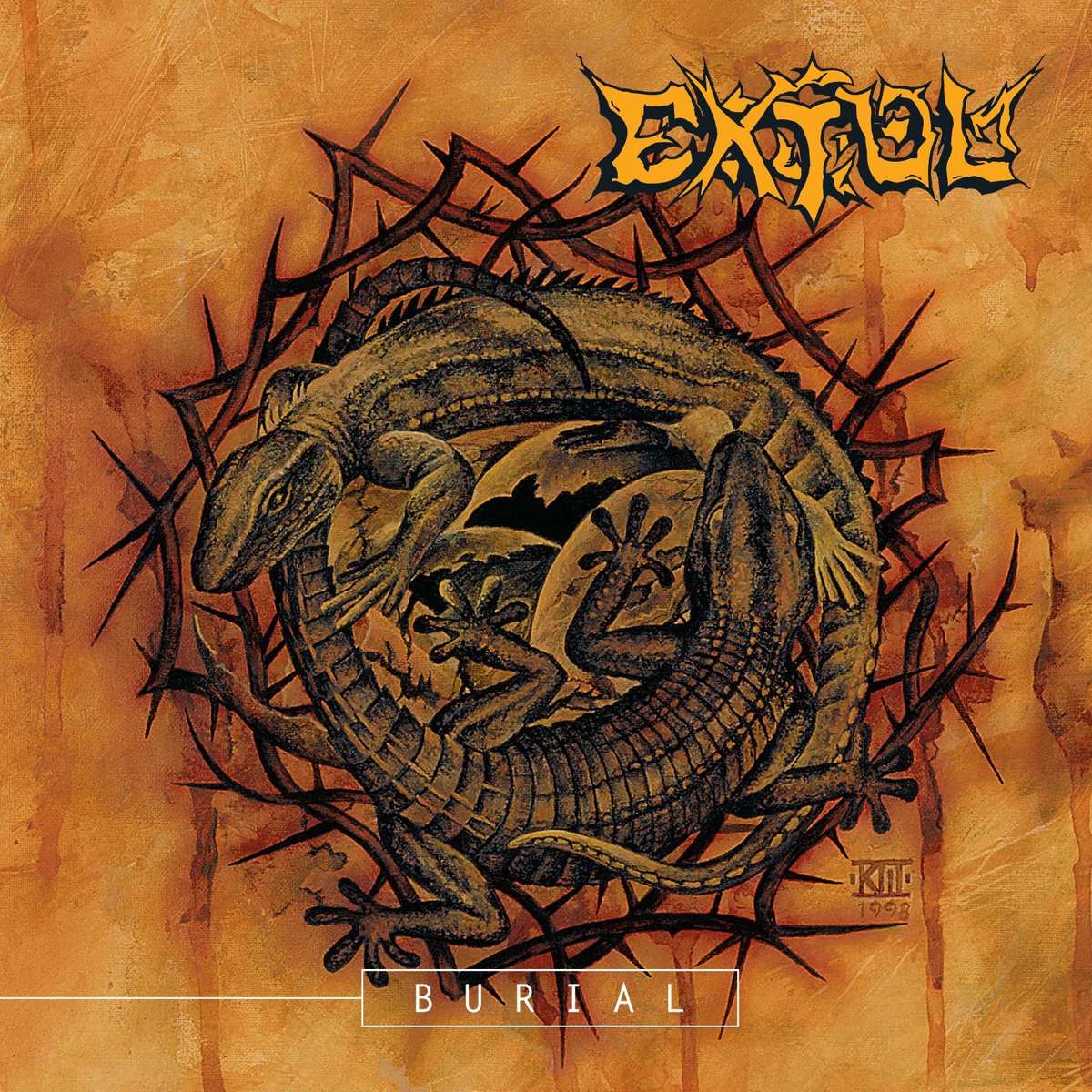
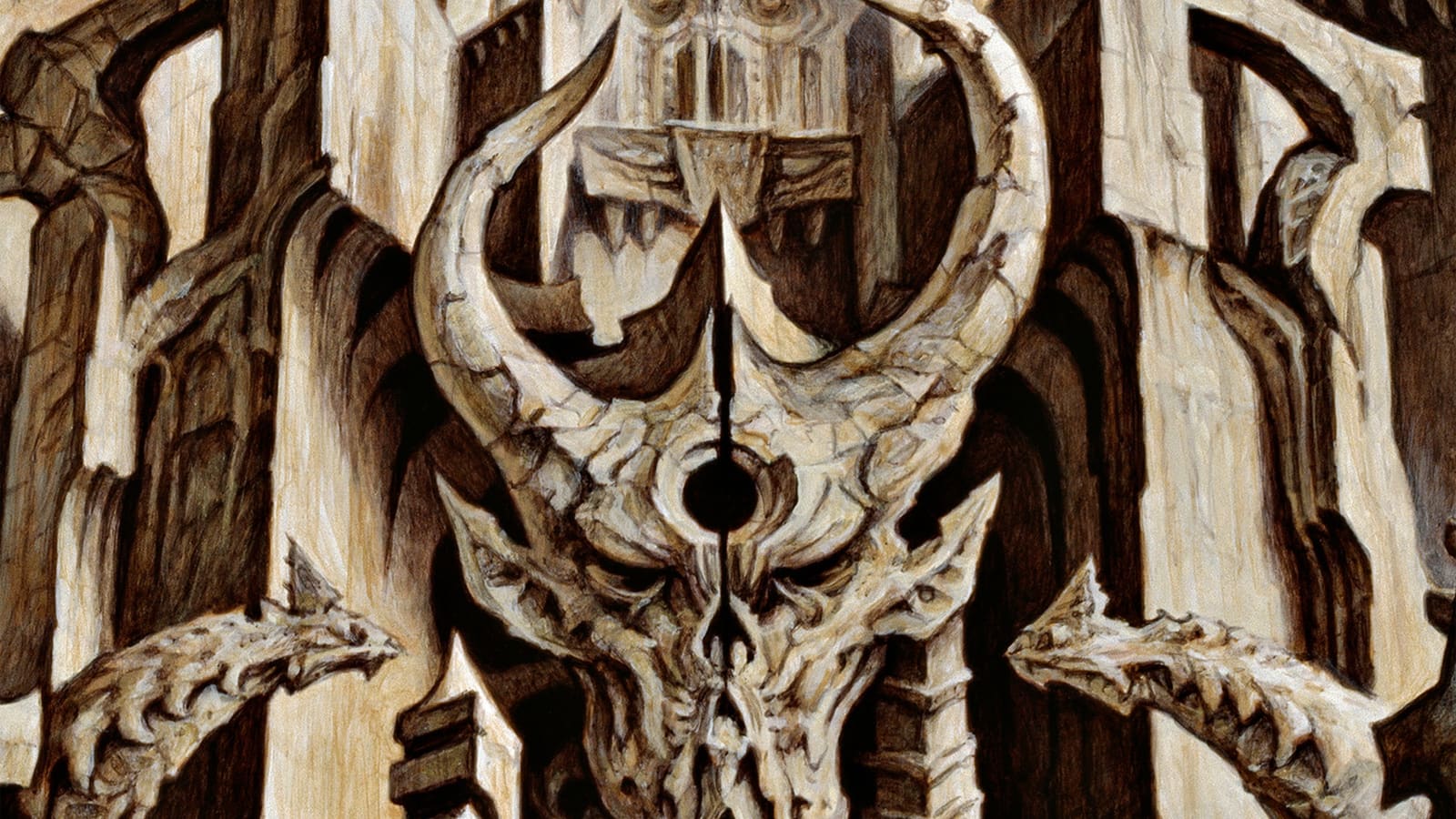
The cover of Burial (Endtime Productions, 1998).
Cover art: Extol, Burial / Endtime Productions, official cover
Burial — Extol
Sign in to rank 1–10.
Burial is the first full-length album by Extol, the Christian metal band from the Oslo area of Norway. It came out in 1998 on Endtime Productions in Europe, and Solid State Records picked it up for America, with Avalon Records handling Asia. It's 12 songs in about 62 minutes, and it mixes death metal, black metal, thrash and progressive metal in a way almost nobody in Christian music was trying at the time. For the band's whole story, from the 1990s to their 2026 comeback, read our Extol profile.
The story
The lineup was singer Peter Espevoll, his brother Christer Espevoll on guitar, Ole Børud on guitar and clean vocals, Eystein Holm on bass and David Husvik on drums. The band produced and mixed the album themselves.
Børud was the newcomer. Before joining he'd recorded doom metal under the name Schaliach, a one-man project rather than a band. He grew up singing with his family. In a 1999 interview with Alex Cantwell of Chronicles of Chaos, he said he'd started singing at five or six and had toured with his family for years. He also said the band were mostly self-taught. "We just learned our instruments by ourselves, more or less," he said.
Two of the songs, "Burial" and "Embraced," came from the band's earlier Embraced demo. A third demo song, "Prodigal Son," was left off. Børud told Cantwell they didn't want to "overdo it" with old songs, and didn't think it was the best of the three anyway. A heavier new version turned up as a bonus track on the Asian edition.
The closing song has a family story behind it. "Jesus Kom Til Jorden For Å Dø" is a hymn-like piece written by Børud's father, Arnold Børud. "My dad wrote it, and he wrote it in 1976, so that's pretty wild," Ole said.
The sound
The album opens with "Into Another Dimension," a short instrumental of about a minute and a half, then drops straight into "Celestial Completion." From there it rarely sits still.
Glenn Harper at The Phantom Tollbooth heard death and extreme metal "with heavy doses of melody," plus violins, synthesizers and "even a flute" to set off the heaviness. He liked how the guitars mixed melodic riffs in the style of 1980s British metal with "some heavy-as-stink chunk," and how the band moved between very different ideas without the joins showing. Alex Figgis at Cross Rhythms heard "heart stopping rhythms, complex time changes, layers of intricate guitars, grinding power chords and harsh vocal deliveries." He put the band alongside Believer, Slayer and Machine Head, and said they avoided the trap of sounding too clinical.
The vocals change constantly. Peter Espevoll moves between high black metal shrieks and lower death metal growls, and Børud's clean singing comes in on a few songs. Harper said Espevoll wasn't going to make anyone forget the singer of Carcass, but his delivery was "effective and varied."
Kenneth Mick III at NewReleaseToday went through the extra touches song by song. He pointed to the acoustic passages in "Burial" and "Renhetens Elv," a jazzy feel in "Superior," industrial scraping noises in "Justified," the flute on "Celestial Completion" and a synthesized sitar opening "Reflections of a Broken Soul." He singled out guest violinist Maria Riddervold. On "Embraced," he wrote, her strings capture "the tortured desperation of a soul being swallowed up by evil." On "Tears of Bitterness" her violin plays a slow duet with a down-tuned guitar.
The faith in the songs
Extol made no secret of their faith. Mike SOS at RoughEdge said many people assumed Norwegian metal bands had to have "dark and Satanic lyrics," and that Extol didn't fit that idea. Each member was a Christian, he wrote, and the lyrics "tell about God and how he can save us."
Three songs are sung in Norwegian. Mick read "Celestial Completion" as being about death and the afterlife, and "Superior" as being about the coming judgement. Darker songs like "Embraced" and the title track, he said, show the misery of a soul without God, but also point to "the peace that comes with being in the Light." Figgis liked the lyrics too, saying they challenge listeners to reflect on life's seasons and "the hope that lies in their midst."
Not everyone loved the English words. Harper's biggest complaint was grammar. He quoted the line "Blessed is he who has got his sins forgiven" and said a native English speaker should have checked the lyrics. He much preferred the Norwegian songs, especially the closing hymn, which he called "an excellent foray into doom metal."
How it landed
Harper's verdict was simple. He called Burial "one of the most refreshingly original Christian metal albums I've ever heard" and said it "restored my faith in Christian metal." He felt Christian metal had been struggling, with bands like Believer and The Crucified gone or on hiatus, and that Extol had given it new life. Figgis called it "one unique musical journey you won't want to miss." Mike SOS admitted the music was sometimes too intense for him, but said of the debut, "what a first step it was," and that new listeners would be impressed.
Later reviewers have mostly agreed. A 2020 review at MetalBite gave it ten out of ten and named the title track, "Celestial Completion" and "Reflections of a Broken Soul" as the best songs. UMUR at Prog Archives was cooler, giving it 3.5 out of five. He praised the "high level musicianship," especially Husvik's drumming, but felt some songs could have been tighter. Mick's own complaints were that the band sometimes sounds too much like Believer, and that the growled "Work of Art," a song about the beauty of creation, doesn't match its gentle subject.
Our verdict
The complaints are fair. At an hour long, Burial asks a lot, and a few songs wander. Some of the English lyrics are clumsy, and the production is rawer than on the albums that followed.
But this is a remarkable debut. Few bands of any kind in 1998 were putting black metal shrieks, violin, flute and a family hymn on the same record and making it hold together. Husvik's drumming and the two guitars give even the strangest turns real weight, and the faith in it feels lived in rather than bolted on. Start with "Burial," then "Reflections of a Broken Soul," then "Tears of Bitterness."
8/10
If this story helped, you can help keep the paper going: Support the paper.
Notes
Notes
No notes on this story yet.
Sign in to comment