Amplified · Christian heavy
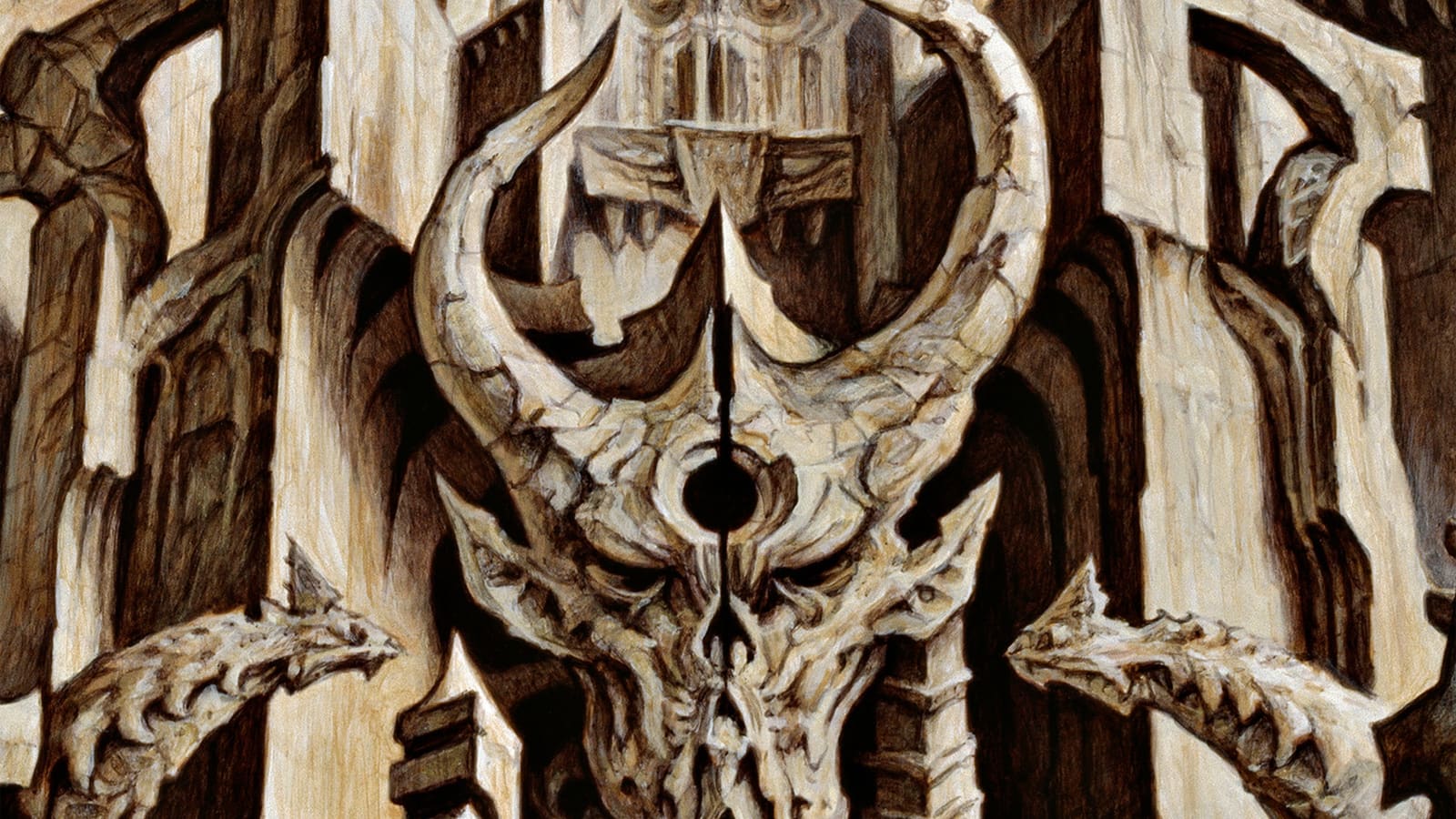
The cover of The World Is a Thorn (Solid State Records, 2010).
Cover: Solid State Records, cropped and resized.
The World Is a Thorn — Demon Hunter
Sign in to rank 1–10.
The World Is a Thorn is the fifth studio album by Demon Hunter, the Seattle metal band fronted by Ryan Clark. Solid State Records released it on March 9, 2010. It's eleven songs in just under 42 minutes, produced by the band's longtime partner Aaron Sprinkle and mixed by Jason Suecof, who'd worked with Trivium and All That Remains. It came after the long, winding Storm the Gates of Hell, and it's the sound of a band pulling itself back into a tight fist.
The story
The big change between the two records happened in the guitar section. Both guitarists left the band, Ethan Luck and founding member Don Clark. That's a lot to lose at once, and Tom Young at Cross Rhythms admitted there was "valid reason to be nervous" about what would come next.
The replacements were Patrick Judge, who'd been filling in on tour since 2008, and Ryan Helm of The Ascendicate. The label's own notes said the album "formally introduces" the pair, with the songs written by Clark and drummer Yogi Watts delivering what it called "another jaw-dropping drum performance." Timothy Estabrooks at Jesus Freak Hideout heard the new players straight away. None of the band's earlier albums had much "particularly impressive guitar work," he wrote, but here there's "nice riffing and an occasional burst of technicality that is refreshingly new."
The band sold it as their "heaviest but most melodic" album yet. Solid State's own release notes poked a little fun at that, calling it "a well-worn cliche" for a band to say about a new record, and then claimed Demon Hunter actually pulled it off.
What it's about
Clark didn't hide the point of the title. "The album title refers to the often harmful and destructive world that we live in," he explained in the label's notes. "Most of the songs deal with the current state of the nation and the world as a whole. In particular, the lyrics take aim at the ideals of a Godless people and the depletion of our morals and values."
You hear that loudest on the title track, a two-and-a-half-minute blast of thrash. "Won't bow to man. Won't bow to government," Clark roars. "Won't love a world where my God is mocked. I defy." On "Tie This Around Your Neck," he goes after the idea that people should rely only on themselves. As Estabrooks put it, Clark sees that idea as a weight around our necks. "We feed on pain, disorder, delusion," the song goes. "The filth of the modern plague."
It isn't all anger at the world outside, though. "Collapsing," the first single, is aimed at believers. In comments on the song published by the Christian music site Bands on Fire, Clark said that once you reach a certain age, most of your friends seem to have made up their minds about faith, and talking to them about Christ can feel like a lost cause. "This song is about never giving up that fight to reach these people," he said. "Even if their hearts have been hardened to the truth, it's important for us, as believers, to continue to fight for these lost souls." The bridge sums it up in one line: "No vow of silence, no remission of truth."
The sound
The record opens with "Descending Upon Us," over five minutes long and one of the heaviest things the band had made, then drops straight into "LifeWar," which is gone in under two. That pair tells you this isn't the band that wandered off into strange corners on the last album.
"Collapsing" is the one most people know. Clark sings it almost entirely clean, but it still hits hard, and Björn "Speed" Strid of the Swedish band Soilwork joins him on vocals. Estabrooks called it "one of the strongest tracks" and loved its "delightfully-placed guitar solo." "Driving Nails" is the big ballad, the kind of slow, aching song fans had come to expect. Estabrooks called it "a beautiful track" in the vein of older favorites like "Carry Me Down" and "Infected."
The guests don't stop at Strid. Christian Älvestam, who used to sing in Scar Symmetry, adds his guest growls to "Just Breathe," a song so fast that Scott Fryberger, also at Jesus Freak Hideout, joked it "leaves little room to breathe." Singer Dave Peters guests on "Feel as Though You Could." The album ends with "Blood in the Tears," which Young called "a typical Demon Hunter closer," quiet and moving, a deep breath after all that noise.
Fryberger also noticed a lot more 1980s-style guitar work running through the songs, and he said Clark found new ways to stretch his voice, singing higher than before and pushing his screams toward death metal.
How it landed
Fans turned up. The album debuted at No. 39 on the Billboard 200 and No. 6 on the Billboard rock chart, and it sold about 14,000 copies in its first week.
The Christian press mostly loved it. At Jesus Freak Hideout, Estabrooks said it "may be the closest thing to a perfect album we've heard so far from Demon Hunter." Fryberger went further, calling it "heavier, thrashier, more experimental, and without a doubt Demon Hunter's best work yet." Young at Cross Rhythms called it "another excellent Demon Hunter release" but warned it "may take a couple of listens" before it clicks.
Not everyone agreed. Kyle Ward at Sputnikmusic gave it two out of five, calling it "the most forgettable album of their career." He found Clark's growls weak and the riffs forgettable, though even he praised the clean singing as "impressively emotional" and didn't mind the softer side of "Driving Nails" and the closer "Blood in the Tears." The reviewers who loved it had a few gripes too. Estabrooks thought "LifeWar" was "uninteresting" and too short, and Fryberger found the high, squealing guitar in the verses of "Shallow Water" more annoying than fun.
Our verdict
Ward has a point about the formula. Demon Hunter didn't reinvent itself here, and if you've never liked the band's mix of heavy verses and big clean choruses, this won't change your mind. But inside that formula, The World Is a Thorn is about as sharp as the band ever got. The new guitar team gives the heavy songs real bite, the ballads still land, and the guests add color without taking over.
What stays with you most is how sure of itself it is. Clark knew exactly what he wanted to say about the world and his faith, and he said it straight, whether he was shouting at a culture that mocks God or pleading with friends who'd stopped listening. Start with "Collapsing," then go back to the beginning and let "Descending Upon Us" knock you over. For more on the band, see our Demon Hunter page.
8/10
If this story helped, you can help keep the paper going: Support the paper.
Notes
Notes
No notes on this story yet.
Sign in to comment