Amplified · Christian heavy
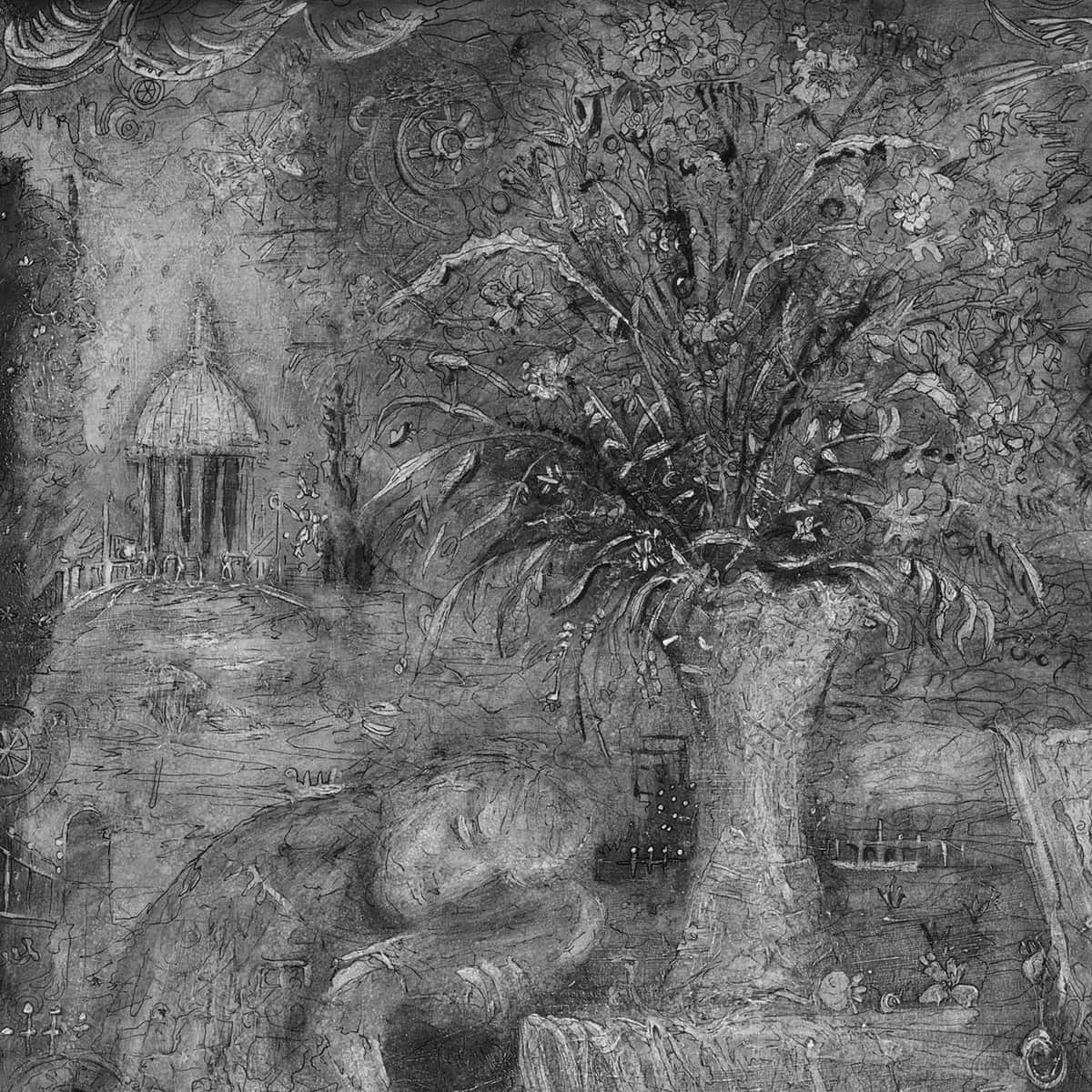
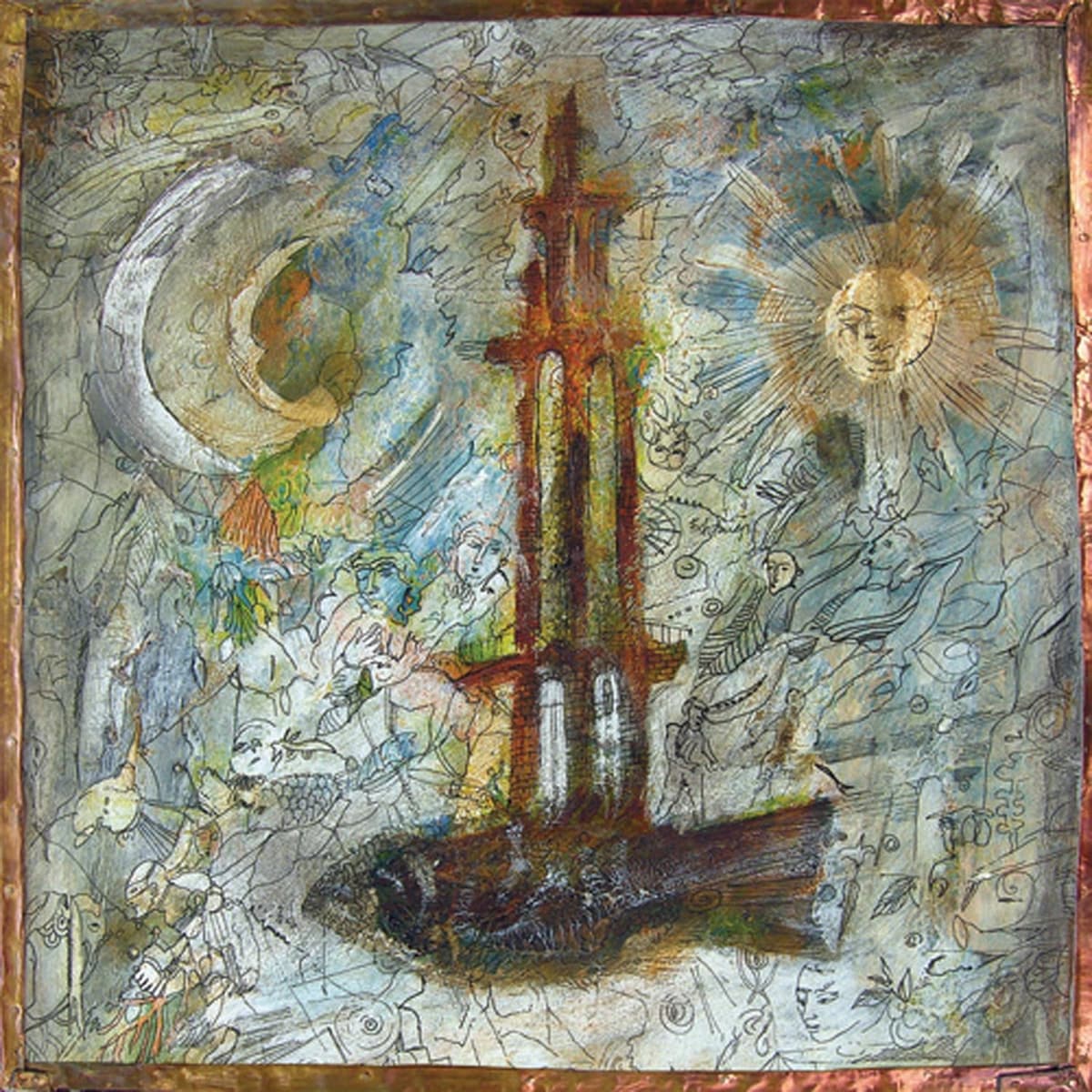
The cover of [A→B] Life (Tooth & Nail Records, 2002).
Cover art: mewithoutYou, [A→B] Life / Tooth & Nail Records, official cover
[A→B] Life — mewithoutYou
Sign in to rank 1–10.
[A→B] Life is the first full-length album by mewithoutYou, the Philadelphia band fronted by Aaron Weiss. Tooth & Nail Records released it on 18 June 2002. It has 12 tracks and runs about 47 minutes. It was recorded at Inner Ear in Washington, D.C., and J. Robbins produced it. For where the band went next, read our reviews of Catch for Us the Foxes and Brother, Sister.
A young band with a lot to say
When this album came out, the band was still new. Jason D. Taylor of AllMusic noted that the group had been together for only two years before its release. Aaron Weiss handled the vocals, though he spoke and shouted far more than he sang. His brother Michael Weiss and Christopher Kleinberg played guitar, Daniel Pishock played bass and Rick Mazzotta played drums.
Weiss's voice is the first thing anyone notices. He doesn't sing in the usual sense, and he doesn't scream in the usual hardcore way either. Andy Kelly of Jesus Freak Hideout described a sound with many pop sensibilities that drives like hardcore, with spoken word in place of hardcore vocals. Jason Morehead, writing for Opus in July 2002, heard Weiss spit out each word like it might be his last. The Phantom Tollbooth's reviewer called the vocals manic, half spoken and half screamed.
What the critics said
Taylor was the most enthusiastic. He called the record bold and edgy, and said it challenges listeners to rethink what they understand about punk rock. He described it as innovative post-hardcore that is fiercely intelligent while keeping plenty of attitude. He closed by calling it a mesmerizing debut and a sign of greater things to come.
Morehead admitted that the band's press sheet nearly put him off. It opened with the claim that rock isn't dangerous any more, a line he said he would normally smirk at. Seeing the band at Cornerstone in 2002 changed his mind. He wrote that the record has an intensity that owes nothing to punk or hardcore conventions, but still captures everything punk and hardcore try to achieve. His summary was simple: each of these songs feels convincingly, painfully convicted.
Kelly said it took him many listens to enjoy the album, but that the investment was well worth it, and he called it a strong debut. The Phantom Tollbooth was the most measured. Its reviewer gave it 3.5 out of 5 and felt the album sometimes chose volume over substance, with the groove grinding almost to a halt towards the end. Even so, the same review praised some of the most innovative and well-read lyrics to grace any album, rock or otherwise.
The critics reached for the same comparisons. Taylor and the Tollbooth both heard At the Drive-In, and the Tollbooth added Frodus. Morehead mentioned At the Drive-In too, but said the record reminded him more of Scaterd Few's Sin Disease, an album once thought too dangerous for Christian music. In some ways, he wrote, so is this one.
The songs
The album opens with "Bullet to Binary," which Kelly called the rocking single, and goes straight into "The Ghost." The Tollbooth compared the reckless energy of "The Ghost" to late-1960s proto-punk bands such as the Stooges and the MC5. It also singled out the two-note guitar riff that drives "Nice and Blue," which it said flits like a hyperactive bumblebee.
Most of the songs are about love gone wrong. Kelly noted that most of them revolve around broken relationships between a man and a woman, and he picked "Gentlemen," a song about a lost love, as the highlight. The Tollbooth placed its feeling somewhere between heartrending and truly disturbing. One Sputnikmusic listener review from 2016 described the whole album as being about the moment a heart breaks, and the days, months and even years afterwards.
"Everything Was Beautiful and Nothing Hurt" starts calm and then turns heavy. A 2008 listener review on Sputnikmusic called its second half incredibly heavy and very emotional. Two short pieces, "(A)" and "(B)," break up the running order. Morehead heard Middle Eastern textures, skittering electronic beats and graceful guitar figures in them.
The faith is there, but it comes through the heartbreak rather than around it. Kelly pointed to "Silencer" as the place where Weiss's lyrics shine in a spiritual sense. It's a prayer that asks the Lord how much longer the singer has to keep pretending to be strong. The album closes with "The Cure for Pain," a long track with an acoustic version of "I Never Said That I Was Brave" hidden inside it. A 2010 Sputnikmusic listener review called that closer the most overlooked song the band ever made.
How it holds up
The record found its people. On Jesus Freak Hideout's list of the top 100 Tooth & Nail albums of all time, it came in at number 54. Writing for that list, Joshua Clifton of the band Ravenhill said every song was packed with new musical ideas and argued that not a single one is bad. He also quoted Micah Dean, a former Tooth & Nail A&R man, who has a tattoo for the album and said its lyrics did the best job of saying what was going on in his head.
Later listeners are more mixed about the sound. The 2016 Sputnikmusic listener review said the guitars sound kind of thin for this style of music, but that the thin sound oddly fits the record. A 2020 listener review on Album of the Year found it a little generic today, only because so many later bands have borrowed from it. That writer heard it as a kind of prequel to La Dispute.
The later albums traded much of this noise for something stranger and gentler. The 2008 Sputnikmusic listener review noted that Brother, Sister and Catch for Us the Foxes don't have riffs like the ones in "Nice and Blue" or "We Know Who Our Enemies Are." That's why it's worth coming back to this one. It's the band at its rawest and loudest.
Our verdict
[A→B] Life isn't mewithoutYou's finest album, and it doesn't try to be. The guitars are thin, the back half drags a little, and some of the lyrics are so raw they're hard to sit through. But Weiss already sounds like nobody else, the band plays with real fire, and "Bullet to Binary," "Gentlemen" and "Silencer" are among the best songs they ever wrote. It's an essential first step for anyone who loved what came after, and a thrilling record in its own right. You can find more on the band on our mewithoutYou page.
8/10
If this story helped, you can help keep the paper going: Support the paper.
Notes
Notes
No notes on this story yet.
Sign in to comment