Amplified · Christian heavy
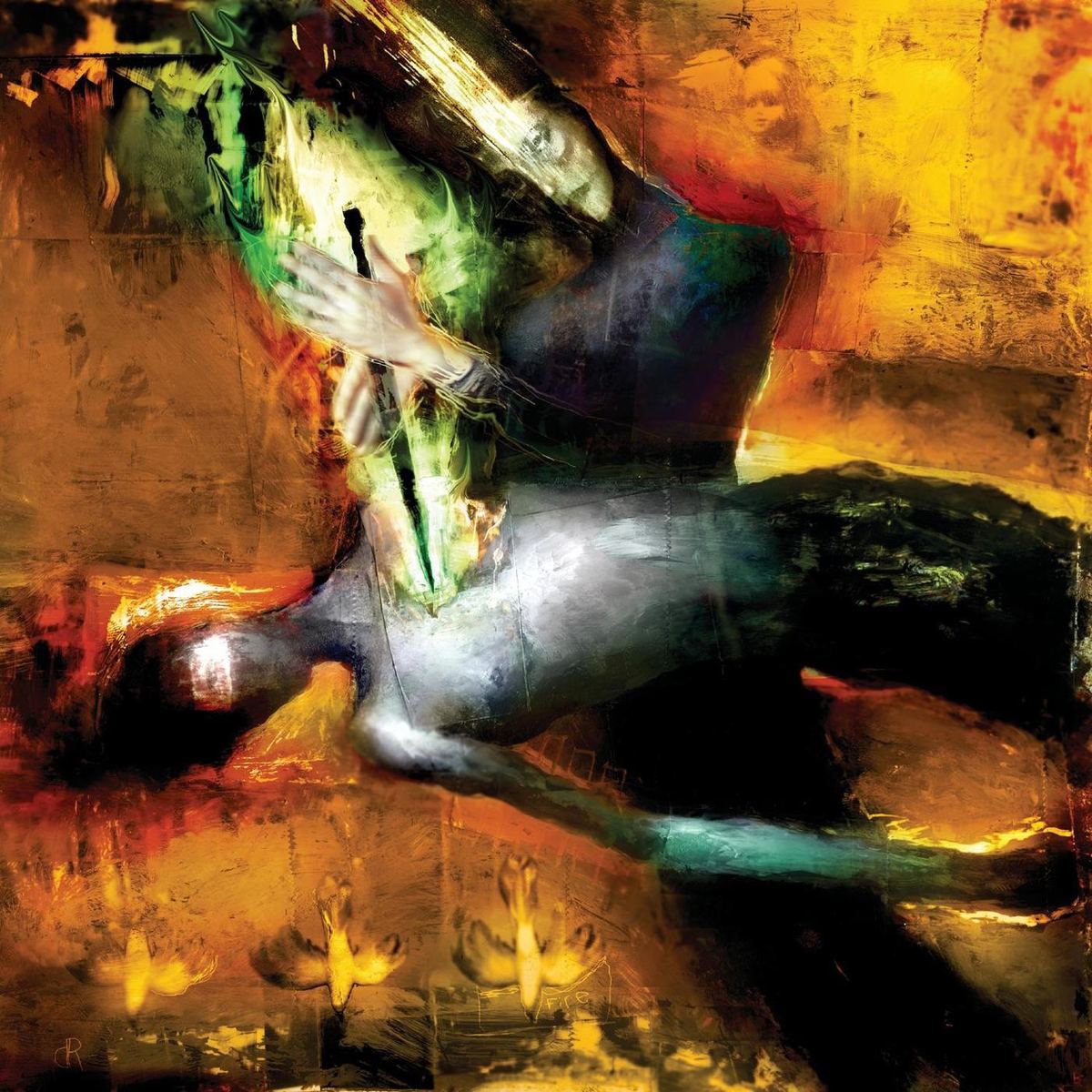
The cover of How to Start a Fire (Tooth & Nail Records, 2003).
Cover art: Further Seems Forever, How to Start a Fire / Tooth & Nail Records, official cover
How to Start a Fire — Further Seems Forever
Sign in to rank 1–10.
How to Start a Fire is the second album by Further Seems Forever, the emo band from South Florida, and it came out on Tooth & Nail Records on February 11, 2003. It's ten songs in under 37 minutes. It's also the record that answered the question hanging over the band since their debut, The Moon Is Down. Could they carry on without Chris Carrabba? The short answer is yes, and this album is the proof.
The story
Carrabba sang on The Moon Is Down but left before it came out in 2001, and he went on to huge success with Dashboard Confessional. Andy Argyrakis at Christianity Today wrote that when the debut arrived, "All eyes were on lead singer Chris Carrabba." The rest of the band kept touring with a new singer, Jason Gleason, who had fronted the hardcore band Affinity.
Gleason's first recordings with the band were covers. He sang Weezer's "Say It Ain't So" on a Weezer tribute record and NSYNC's "Bye Bye Bye" on a pop-punk covers album. How to Start a Fire was the first time he wrote the words himself. Scott Heisel at Punknews put it bluntly. Until then, Gleason had been going up "night after night" to sing "songs that someone else wrote."
The lineup was Gleason on vocals, Josh Colbert and Derick Cordoba on guitar, Chad Neptune on bass and Steve Kleisath on drums. Three of them, Neptune, Kleisath and Colbert, had played in Strongarm, a 1990s hardcore band. James Paul Wisner produced the album with the band at his studio in Florida. Neptune told Crosswalk it was "a much more mature record than any of our previous efforts," adding, "On this album, there's a lot more depth and diversity."
Faith, but not on the sleeve
Further Seems Forever were Christians on a Christian label, but they didn't preach from the stage. Christianity Today quoted a post from the band's own website. "Well, everyone in FSF is a Christian, but we don't call ourselves a Christian band," it said, adding that "we simply love to play music and love God."
You can hear that on the record. Sherwin Frias at Jesus Freak Hideout warned that listeners looking for Christian themes would have to dig, and wrote that "This is not a straightforward Christian album by any means." Argyrakis still heard "references to grace, battling pride, and living with integrity." Johnny Loftus at AllMusic picked out one line, "I am the water, I am waves crashing onto you," and said it wasn't clear whether it was about faith or a melodramatic love poem.
That blur is part of the appeal. "I Am" is the clearest example. Argyrakis heard a relationship on the rocks, while Kristin Roth at Rolling Stone called it "almost hymn-like" and singled out the line "I am redemption." Vik Bansal at musicOMH heard it as a song about divine love for humanity. It works either way.
The sound
The album opens with the sound of a match being struck, a detail both Jesus Freak Hideout and The Phantom Tollbooth pointed out. Then the title track takes off at full speed, with busy drums and guitars weaving around each other.
"The Sound" comes next. It was the first single and the song the band made a music video for, so play it first. Loftus said it had some of the year's best dynamics, "shifting effortlessly from a rumbling post-hardcore verse to a harmony-drenched chorus that wouldn't be out of place on a Cheap Trick record." Not everyone agreed. Heisel thought it sounded "too sterile," like a band influenced by Further Seems Forever had written it, not the band themselves.
The heavier songs carry the record. Argyrakis called "Against My Better Judgment" pensive and "Pride War" the band's "thoroughly soul-searched stance on egotism." Roth heard Gleason pepper "Against My Better Judgment" with "aggressive wails and anguished screams." Heisel said the title track and "Pride War" brought back the feel of the first album.
Then there's the gentler side. Bansal described "A Blank Page Empire" as "a tender confession of moral struggle" and quoted its sharpest line, "Awake in this cold cell, I am my only devil." "On Legendary" starts on acoustic guitar. Stuart Green at Exclaim! said the band had added strings and piano, which made songs like this one feel "grand in scale and scope."
The closer, "Aurora Borealis (In Long Form)," is the big finish. Tony Cummings at Cross Rhythms noted the string section joining the wall of guitars. Luke Slisz at the Post-Bulletin described Gleason swelling "from singing to screaming and back again" over its five minutes.
How it landed
Most critics were pleasantly surprised. Cummings said Gleason's "smouldering vocals" made the album "every bit the equal" of The Moon Is Down. Loftus called it "a focused and fiery sophomore effort" and gave it four stars. Frias said it "has proven itself strong enough to stand apart from its predecessor's imposing shadow." Roth wrote that it "burns with incendiary power-pop guitar riffs and smolders with intensely emotive vocals," and Argyrakis called it "a fitting follow-up that presents the band in a tighter, more cohesive environment."
There were doubters. Heisel's verdict was "Not bad. Not amazing, not great, but not bad," and he called it spotty, with a feeling of deja vu. Bansal enjoyed it but thought "a little more rage would not go amiss." Argyrakis called its running time skimpy, and The Phantom Tollbooth said some buyers would find it a bit short for $16.
Gleason didn't stay long. How to Start a Fire was his only album with the band, and Jon Bunch, formerly of Sense Field, sang on the next one, Hide Nothing, in 2004.
Our verdict
Heisel had a point about the debut. The Moon Is Down had a rawness that this record trades for polish, and a few songs in the middle blur together. "On Legendary" is pretty but a little soft next to everything around it.
But How to Start a Fire did something hard. A band that had lost its famous singer made an album that sounds confident rather than nervous. Gleason has more range than Carrabba did, the guitar work is sharper, and the quiet songs give the loud ones room to land. The faith here is quiet, but it's in the lines about pride, redemption and being your own devil. Start with "The Sound," then "Against My Better Judgment," then "Pride War." For more on the band, see our Further Seems Forever page.
7/10
If this story helped, you can help keep the paper going: Support the paper.
Notes
Notes
No notes on this story yet.
Sign in to comment