

If you drive an EV on the Hume Highway, the fast chargers are already close enough together to get you there. EV Roadside and The Driven looked at Australia's public fast chargers, fifty kilowatts and up, in June 2026. On the maps they published, the Hume, Pacific, Bruce and Western highways have no gap longer than about 150 kilometres.
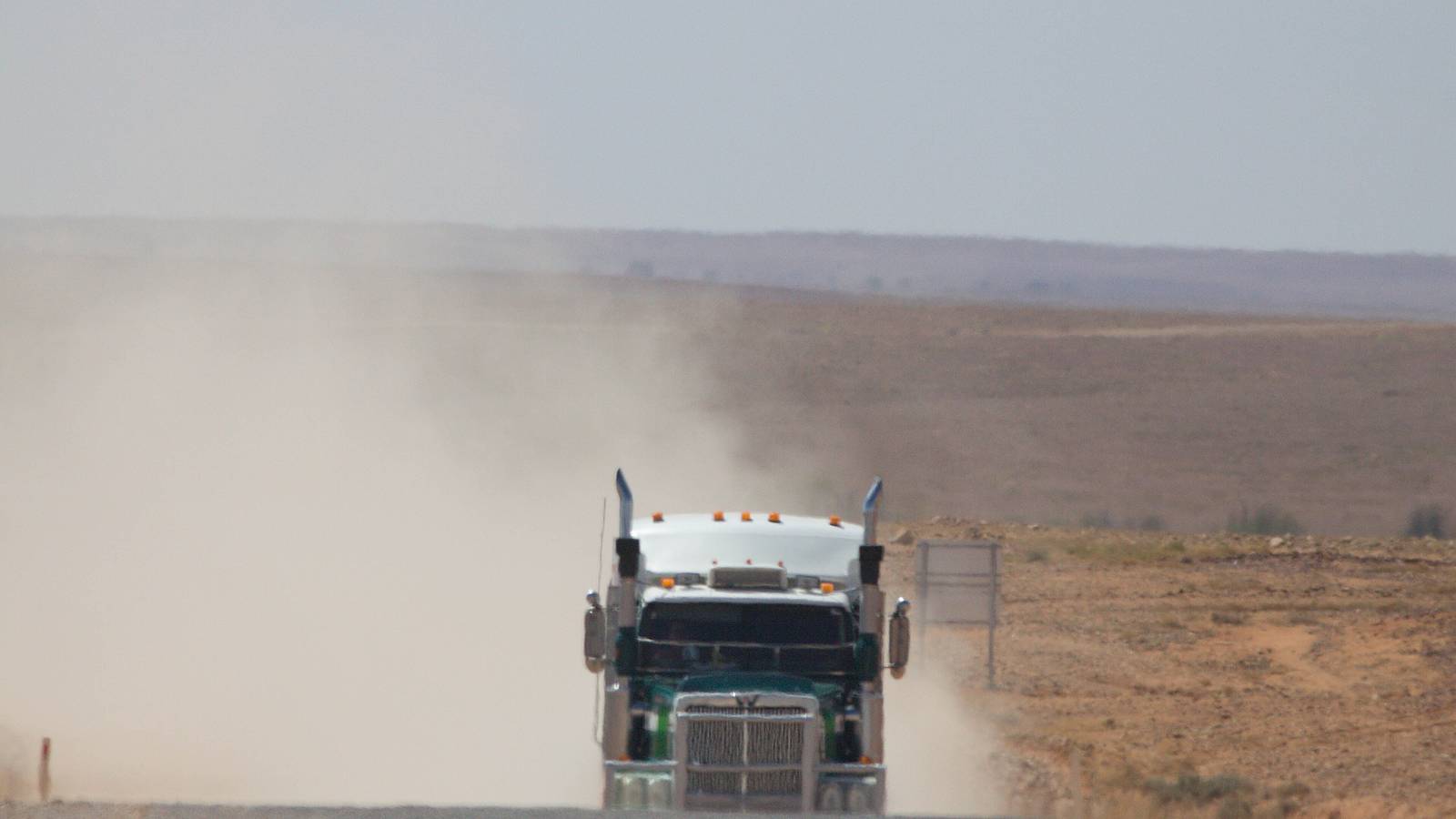
The Stuart Highway is still the big hole. One Driven story puts the gap from Katherine to Tennant Creek at around 625 kilometres. EV Roadside, measuring a different way, has cited about 1,500 kilometres from Alice Springs to Darwin, depending on the data. Those are two different measurements, so we've kept them apart. The Nullarbor and Eyre look better than they used to. The Driven says there's no gap longer than about 175 kilometres there now, after the WA EV Network and RAA Charge were built. The North West Coastal Highway still has gaps of around 250 kilometres. But road trips between capital cities on the main south-eastern highways are doable.
Start with the road people actually drive between Melbourne and Sydney. The Hume is the test Australians use when they argue about whether an electric car is a city toy or a real road car. EV Roadside's analysis and The Driven's June 2026 reporting both say the south-eastern highways have no gap longer than about 150 kilometres between chargers of 50 kilowatts or more. That's why we can say the Hume is already fine. It's not a feeling. It's how far apart the chargers are on published maps.
Fifty kilowatts is where both analyses drew the line for "fast". Below that, you're charging at your hotel or overnight. At 50 kilowatts or more, you're using roadside fast chargers, and a trip between capitals becomes a matter of planning, not an expedition.
The Stuart Highway is a different story. In one mid-2026 story, The Driven still flags a gap of around 625 kilometres from Katherine to Tennant Creek. That's a real hole between two Territory towns, not a rounding error on a Melbourne to Sydney drive. EV Roadside has separately put the Alice Springs to Darwin problem at about 1,500 kilometres, depending on which charger data you use and what you count as a working fast charger. One is a town-to-town gap. The other is a longer stretch, measured from a different set of data. They're two separate figures from two separate sources, and we haven't blended or averaged them.
The Nullarbor and Eyre are where things have got better. The Driven's mid-2026 reporting says that after the WA EV Network and South Australia's RAA Charge were built, the crossing has no gap longer than about 175 kilometres on the improved stretches. That's a big change from the years when the map was empty. It's still not as comfortable as the Hume's 150 kilometres or so. The Nullarbor has filled in, and the south-east was already ahead.
The North West Coastal Highway sits in the middle, with gaps of around 250 kilometres in the June 2026 figures. That's longer than the south-east's 150 or so, but shorter than the Stuart's gap of more than 600 kilometres. If you're driving the coast of northern Western Australia, plan every stop and have a back-up. If you're driving Melbourne to Sydney on the Hume, the gaps aren't the problem anymore.
So what does "works" mean? It means you can plan a day's drive around the chargers on the map without treating the highway like a desert crossing. It doesn't mean every charger will show green in every app on every Tuesday. Whether a charger works is about maintenance. How far apart they are is about the network.
It's worth being clear about who said what. The Driven published its analysis on 25 June 2026. EV Roadside keeps the gap lists for crossings and highways that drivers actually bookmark. They agree on the south-east. They just measure the Territory differently.
Saying the Hume is already fine doesn't mean regional Western Australia is done. It doesn't mean the Stuart is fixed. And it doesn't mean every 50-kilowatt charger on the Hume is working right now. It means the June 2026 maps show public fast chargers no more than about 150 kilometres apart on those four south-eastern highways. That's enough to retire the old "you can’t leave the city" argument on those roads.
Drivers think about range. Road reporting thinks about the distance between plugs. A modern EV with about 400 kilometres of real highway range can handle a 150-kilometre gap easily, as long as the charger's working. The same car faces a whole different challenge with a 625-kilometre hole. That's why the Hume and the Stuart can't be lumped together, and why June 2026 is when the south-east got easy to describe.
The WA EV Network and RAA Charge get the credit for the Nullarbor, because The Driven's figure of about 175 kilometres comes after they were built. They don't get the credit for the Hume. The south-east's network grew over a longer, messier time, through state networks, motoring clubs and private companies.
Apps still matter. PlugShare, Chargefox and the live status on those same chargers can spoil a neat map when one's out of order. The June 2026 analyses measure how far apart the chargers are, based on where they're built. Whether one's working on a given morning is a separate problem.
Trucks and tourists use the network differently. Megawatt charging for freight is a separate story. Public fast chargers of 50 kilowatts and up are enough for cars driving Melbourne to Sydney, heading toward Sydney and Brisbane on the Pacific and Bruce, or using the Western highway.
Here's the bottom line. The Hume and the other south-eastern highways already have fast chargers no more than about 150 kilometres apart, so road trips between capitals on those roads work. The Stuart is still the big hole, at 625 kilometres or about 1,500 kilometres depending on the source and where you measure from. The Nullarbor and Eyre are down to about 175 kilometres. The North West Coastal still has gaps of around 250 kilometres. The Hume is already fine, but the rest of the map isn't all the same.
For more, read about how the Nullarbor charging gap got smaller, how to plan a Nullarbor crossing in an EV and why electric trucks need megawatt chargers.
The paper
Comments
No notes on this story yet.
Sign in to comment