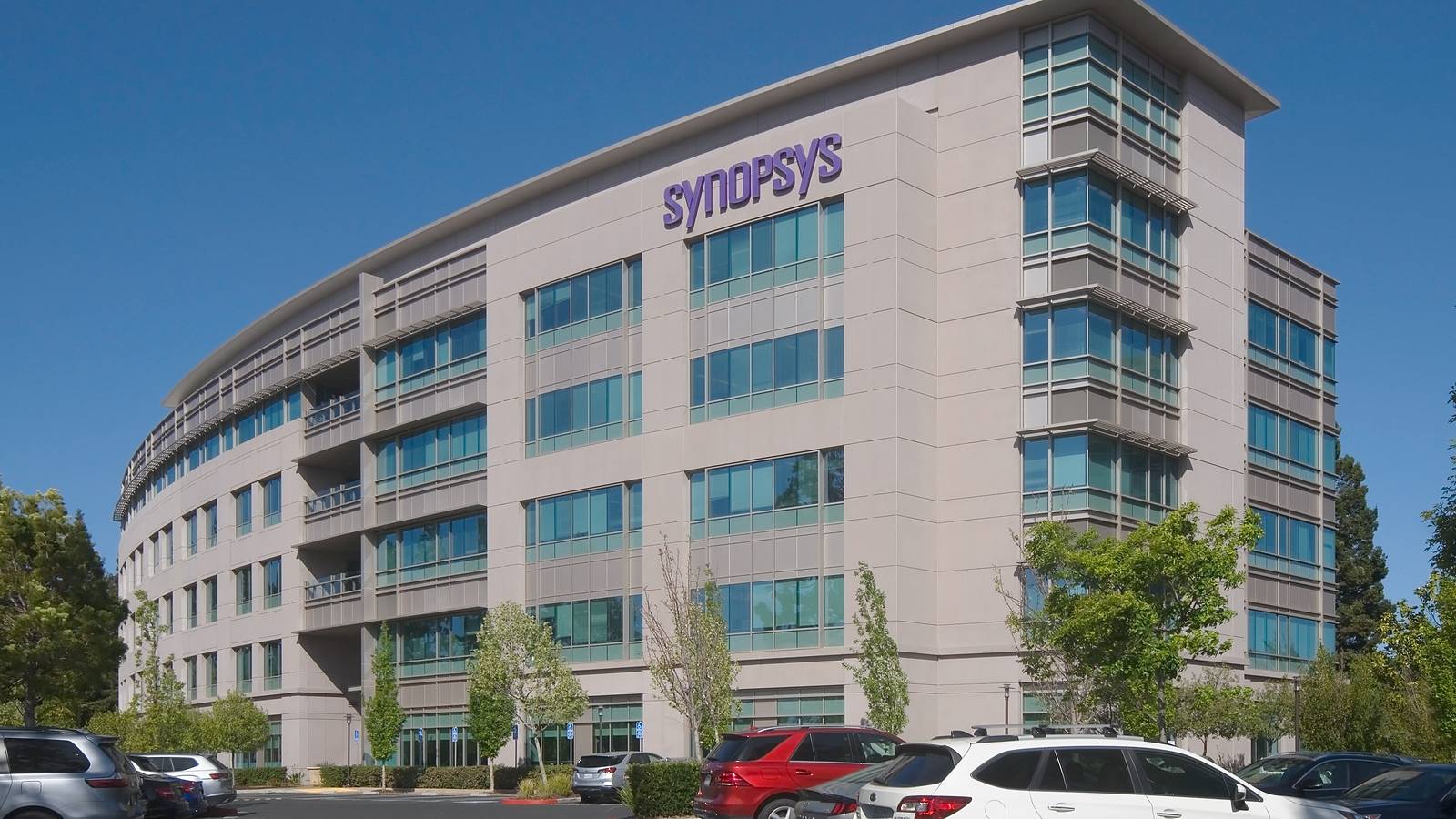
OpenAI wants its AI to help design computer chips. On Wednesday 30 September, OpenAI and Synopsys, the company that makes much of the software engineers use to design chips, announced a multi-year partnership to build GPT-Synopsys. It's a specialised model that can work Synopsys's electronic design automation tools directly.
The deal includes revenue sharing and selling together. OpenAI will license Synopsys's design tools to build the model, and the two companies say early technical work is already under way with leading semiconductor customers.
What GPT-Synopsys is meant to do
Here's the thing most people don't realise. Modern chips are designed in software. Electronic design automation, or EDA, is the toolkit engineers use to lay out circuits, check timing, make sure the logic does what it should, and balance power, performance and area. The industry shortens that last trio to PPA, and it's the scorecard every chip gets judged on.
The companies' joint release says today's agentic AI hooks general-purpose models up to EDA tools to run design workflows. This partnership wants to go a step further and make a frontier model an expert at using the tools themselves. According to the release, the model will learn "to run the tools as expert engineers, interpreting their outputs, and iteratively optimizing designs using the tools."
Those are the slow bits of the job. Timing closure means making sure every signal on a chip gets where it's going within a single clock cycle. Verification closure means proving the design does what the specification says before anything gets made. Both can take round after round of running tools, reading reports and tweaking the design.
So how would it work day to day? The companies describe engineers handing over design goals, anything from PPA optimisation to timing and verification closure. Agents would then run the tools, read the results, make changes and keep going until they reach verified outcomes, which an engineer then reviews. The pitch is simple. Engineers could explore more design options than they'd ever have time to try by hand, and get to more sophisticated designs faster.
GPT-Synopsys will run on infrastructure OpenAI hosts. The release says it'll be built to work with customers' own agent harnesses and be deeply tied into Synopsys.ai and Synopsys Autopilot, the company's agentic AI platform. The joint service will bundle the computing power, the model and the tool licences into one offering.
The business side is spelled out too. The two companies say they'll work as preferred partners, collaborate closely on research and development, and sell together under a shared revenue framework. They'll jointly make GPT-Synopsys available to customers worldwide. Neither company disclosed the financial terms.
Who said what
"We're using our most advanced technology to improve the systems that power AI," said Greg Brockman, OpenAI's president and co-founder. "With Synopsys, we're bringing that work to chip design, helping engineers explore more designs and get to a working chip faster. By helping them build better chips, we can build better AI and bring it to more people."
Sassine Ghazi, Synopsys's president and CEO, said the future of semiconductor engineering "requires dramatic acceleration of the chip design process without compromising PPA or first-time-right silicon." First-time-right means a chip that works the first time it comes back from the factory, without an expensive do-over. Ghazi said the agreement would widen access to Synopsys's advanced design capabilities and the "ground-truth engineering tools" needed to bring ever more complex chips to market.
"Together with OpenAI, we're bringing frontier intelligence to chip design to help more companies develop and accelerate advanced silicon, while maintaining the rigor and trust required for manufacturing success," Ghazi said.
Keeping chip designs safe
Chip designs are some of the most tightly guarded files in tech, and the release tackles that head-on. It says customer data won't be used to train the model. That data will be encrypted when it's stored and when it's moving, and customers can manage it with adjustable retention, audit and permission controls. The companies say GPT-Synopsys will come with enterprise-grade security, governance and access controls.
There's no launch date or price yet. The release describes a model the companies will build together, and its forward-looking statements warn that development, timing and availability could turn out differently from the plan.
The market liked it
The news landed alongside Synopsys's investor day in New York. Reuters reported that Synopsys shares jumped 10% on Thursday 1 October after the company forecast fiscal 2027 revenue of US$11.10 billion to US$11.20 billion. Analysts had expected US$10.81 billion on average, Reuters reported, based on LSEG data. Synopsys also forecast fiscal 2027 earnings per share of US$19.04 to US$19.12, again ahead of estimates.
The company said it plans to buy back about US$1 billion of shares over the coming months. It's aiming for an adjusted operating margin of about 50% by fiscal 2030, and revenue growth of about 15% a year, compounded, from fiscal 2026 through fiscal 2030. Separately, Reuters reported, Amazon Web Services signed a multi-year deal worth more than US$1 billion to license chip-design intellectual property from Synopsys. Of the 24 analysts who cover the stock, 22 rate it buy or higher, Reuters said.
"The Synopsys 2026 Investor Day, held overnight, provided significantly more than the market expected," the brokerage Berenberg said in a note, Reuters reported.
Why AI labs want chip skills
The AI labs are getting closer to the chips they run on. Anthropic confirmed an in-house custom silicon team in September, and Broadcom has said Anthropic is on track to be its biggest custom AI chip buyer in 2027 and 2028. Reuters reported that heavy spending on AI is pushing chip designs to get more and more complex, and that's exactly the demand Synopsys's tools serve.
OpenAI's also building agents for other kinds of hard technical work. At its DevDay conference a day earlier, it launched always-on agents called dots, powered by GPT-6 Astra, that run on their own cloud computers. GPT-Synopsys aims the same idea at one of the most specialised corners of engineering, and teams up with the company whose tools that corner already runs on.
OpenAI's argument is a loop. Better models help engineers build better chips, and better chips run better models. Brockman summed it up in the release, saying that by helping engineers build better chips, "we can build better AI and bring it to more people." How fast that loop turns depends on when GPT-Synopsys actually reaches customers, and neither company has said when that'll be.



The paper
Comments
No notes on this story yet.
Sign in to comment