Amplified · Christian heavy
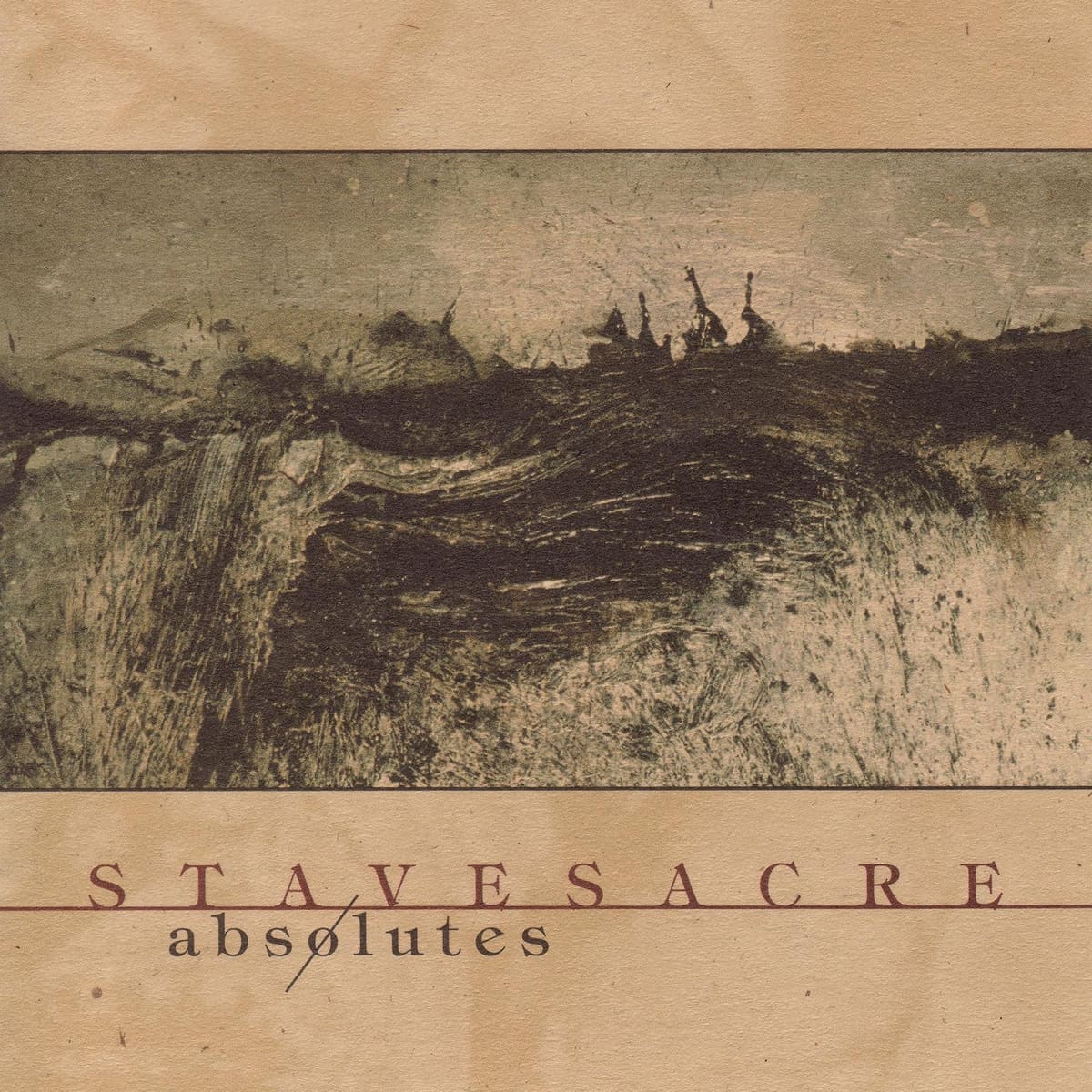
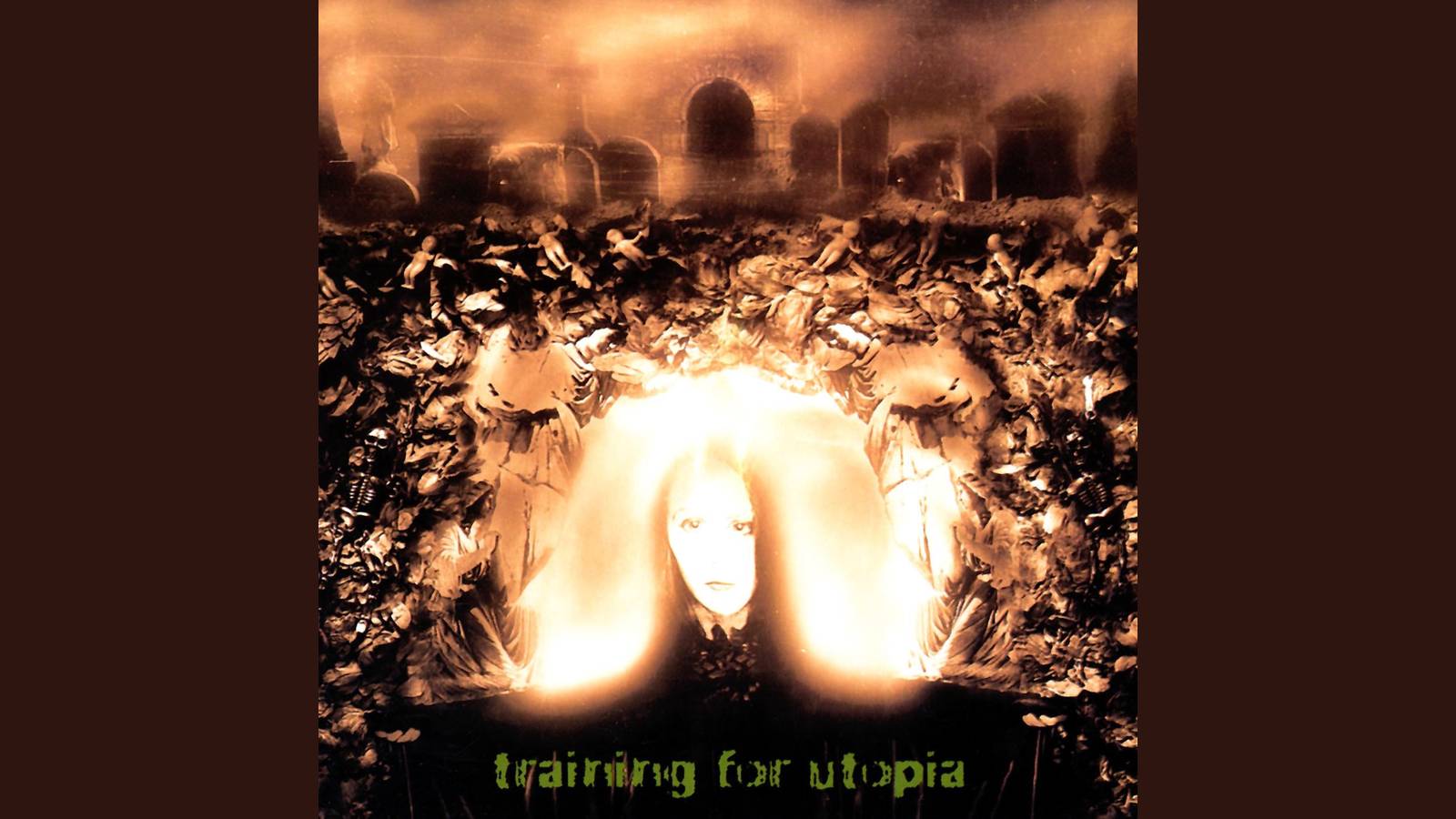
The cover of Absolutes (Tooth & Nail Records, 1997).
Cover art: Stavesacre, Absolutes / Tooth & Nail Records, official cover
Absolutes — Stavesacre
Sign in to rank 1–10.
Absolutes is the second album by Stavesacre, the Orange County band that came out of the 1990s Christian hardcore underground and then went looking for something bigger. It came out on Tooth & Nail Records in 1997. It's ten songs in a little under 44 minutes, and four of them run past five and a half minutes. This is the record where the band's heavy, brooding sound found real patience.
The story
Stavesacre formed out of three bands that mattered a great deal to Christian punk and hardcore fans: The Crucified, Focused and The Blamed. Singer Mark Salomon and guitarist Jeff Bellew had both played in The Crucified, and bassist Dirk Lemmenes came from Focused. In a 1997 interview with Cross Rhythms, Lemmenes said Bellew used to babysit him when he was a kid, and that the two had gone to church together for years. Bellew said the plan at first was to "just get together and make some punk rock," until a few rehearsals told them they had something more.
By the time of Absolutes, original drummer Jeremy Moffett had gone and Sam West, formerly of Scaterd Few, had taken his place. That change is the first thing several critics noticed. Linc Lefeiste at The Phantom Tollbooth heard a "beefed up drum sound," and Salomon told Cross Rhythms the difference between the two drummers was "pretty clear." He also said West was closely involved in the writing and that his professionalism "relieved a lot of tension."
The band went back to producer Bryan Carlstrom and Eldorado Studios in Hollywood, where they had made their debut, Friction. Salomon said the studio was the same but the building was new, and that a run of delays left the band rattled. He took a spiritual lesson from it. "We had gotten so busy that we'd kind of forgotten God in the process," he said. "God really showed us that we've got to slow down."
What the title means
Salomon told Cross Rhythms that the title was about more than moral rules. It was about absolutes "in all areas of life," and the personal responsibility that comes with them. "We truly believe that God is righteous, and he is also a judge," he said, adding that the writing period had brought "some pretty heavy stuff, where I had to do away with some idols in my heart."
That's the spirit of the songs. Chris Well at 7ball called the album "a dark and brilliant manifesto of Christian faith." He wrote that the lyrics urge listeners to leave the old self behind and actually follow through on the Christian life, and he pointed to an image that returns more than once, a desert snake shedding its skin, on "Shiv" and "Wither." He heard the struggle with the flesh and the call to turn back to God in "Sand Dollar" and "The Two Heavens," and plain joy in the new life on "Ascend."
Well singled out "Colt .45" as the centrepiece. It plays like one side of an argument about faith. The singer says he isn't sorry for anything he said, insists his belief "is not a passing stage," and then reaches for Ecclesiastes with "vanity of vanities." Well called it a hard response but a fair one, "a resource for loud apologetic discussion." At nearly six minutes, it's also one of the longest songs here.
Mike Boehm of the Los Angeles Times, writing in 1998, put it in darker terms. He said most of the band's songs "cry out from the dark night of the soul, seeking healing and enlightenment amid storms of unresolved turmoil." That's a fair description of how this record feels. It isn't a victory lap. It sounds like people working hard to keep hold of God.
The sound
Boehm described the music as "dark, hard-edged, head-banging punk-metal rock" and praised the "striking balance, dexterity and melodic strength" the band brought to it on Absolutes. He noted that bands like Tool and Korn had already found huge audiences with similar weight. Josh Spencer at The Phantom Tollbooth made the Tool comparison too, along with Only Living Witness, and described "a fully textured mesh of massive rhythms and raging guitars."
What sets Stavesacre apart from most of their hardcore peers is Salomon's voice. He had made his name yelling. Here he sings. Tony LaFianza at The Phantom Tollbooth put it simply: "We all knew Mark could yell, but who knew he could actually sing?" Salomon told Cross Rhythms that was the point. "I'm not into screaming and yelling every five seconds and running around," he said. "I want to see if there are any other emotions that are available to the music that we play."
Not everyone was won over by that voice straight away. Mark J. Aylor, also at The Phantom Tollbooth, found Salomon's singing "too nasal" at first and didn't find much special in the record. After five or six listens he was humming the songs, and he said it had found a permanent home in his CD changer.
The long songs are where Absolutes earns its reputation. "Wither/Ascend," "The Two Heavens" and "Zzyzx Scarecrow" each run past six minutes, and they take their time building from quiet passages to heavy ones. Spencer loved the "military drumroll near the end of 'Wither/Ascend.'" He also liked the album's acoustic moment and asked for more of it next time. At the other end, "Shiv" opens the record in under three minutes, and "An Eclipsing" is short and direct.
How it landed
Most reviewers were won over. Andrew Privett at Cross Rhythms, who had given Friction nine out of ten, said Absolutes took the band "on to new heights of maturity and depth," with "more atmosphere, passion and sensitivity." He disagreed with American magazines that filed them under hardcore punk and said he loved every single track. LaFianza gave it 4.5 out of five and called it "a deep, hard-core blessing." Spencer also gave it 4.5 and said the band was "too mesmerizing" to play casually.
The doubts were about how much had changed. Lefeiste, who gave it 3.5 out of five, said there was "very little progression in sound" from Friction, apart from the drums. Stephen Thomas Erlewine at AllMusic didn't think the lyrics stood out, but he still came down on the album's side, because "the sound is so heavy and foreboding that the lack of strong writing becomes a moot point."
Our verdict
Both of those complaints have some truth in them. If you already own Friction, parts of this will sound familiar, and the slow builds ask for patience that not every listener will give. Salomon's voice is an acquired taste.
But Absolutes is the better album. The drumming gives the heavy songs a real spine, and the long songs never feel padded. The faith here is serious and searching rather than slogans on a T-shirt. Start with "Wither/Ascend," then "Colt .45," then "An Eclipsing."
8/10
If this story helped, you can help keep the paper going: Support the paper.
Notes
Notes
No notes on this story yet.
Sign in to comment